



The Illusion of the 'Perfect' Home
In the age of social media, it’s easy to get swept up in the pressure to create a flawless, magazine-worthy living space. We scroll through images of minimalist sofas, sleek modular kitchens, and perfectly coordinated decor, often feeling that our own
rental homes fall short. The temptation is to splurge on a statement armchair or a heavy, expensive dining table, believing these items are the key to crafting a 'grown-up' home. However, this approach often overlooks the most crucial element of a living space: its soul. A home isn't just a collection of stylish objects; it's a sanctuary that should reflect your identity and offer comfort. For many renters in India, navigating landlord rules and the temporary nature of their stay makes large, costly investments impractical. The real magic lies not in what you buy, but in what you bring.
Objects as Anchors of Identity
Psychologists have long studied our emotional attachment to objects, noting that our possessions often become an extension of ourselves. They are physical vessels for our memories, relationships, and life stories. Think about it: that framed photograph from a family trip, the stack of dog-eared books you’ve collected since college, or even a hand-painted ceramic mug from a local fair. These items don't just fill space; they narrate your journey. In a rental apartment, which can often feel impersonal, these objects act as anchors. They root you to your past and your sense of self, transforming an anonymous set of rooms into a space that is uniquely yours. A hand-me-down brass lamp from your grandmother or a colourful throw blanket bought during a memorable holiday infuses the space with a history and warmth that a brand-new, mass-produced item simply cannot replicate.
The Comfort of Familiarity
Life in urban India can be chaotic and fast-paced. Coming home should feel like a respite, a place to recharge. Familiar objects provide a powerful sense of psychological comfort and security. This is why even as adults, we might hold onto items that seem trivial to others but are deeply meaningful to us. The predictability of being surrounded by your own things can lower stress and foster a sense of stability, especially when you're navigating a new job or city. This comfort doesn't come from expensive furniture, but from the sensory experience of your belongings—the texture of a well-loved cushion, the specific scent of your favourite candles, or the visual joy of seeing your child's artwork on the wall. These personal touches are what truly make a house feel like a haven.
Weaving Your Story into the Walls
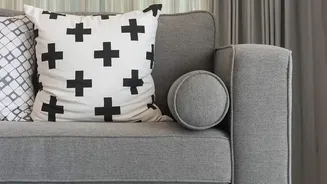
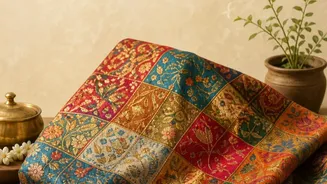
One of the biggest challenges in a rental is dealing with restrictions on permanent changes like drilling holes or painting. This is where personal objects, particularly textiles and moveable art, become your best friends. Instead of lamenting the bare white walls, see them as a blank gallery for your life. Drape a beautiful old saree or a block-printed cotton dupatta over a curtain rod as a vibrant wall hanging. Create a gallery wall using lightweight frames and removable adhesive hooks to display personal photos, postcards, and prints that reflect your personality. Layering rugs and dhurries can completely transform cold, generic tiling while adding texture and colour. Cushions featuring traditional Indian textiles like Kalamkari or Ajrakh not only add personality to a plain sofa but are also easily transportable when you move. These are not just decorating 'hacks'; they are acts of storytelling, weaving your personal narrative into the fabric of your home.
A Practical and Soulful Approach
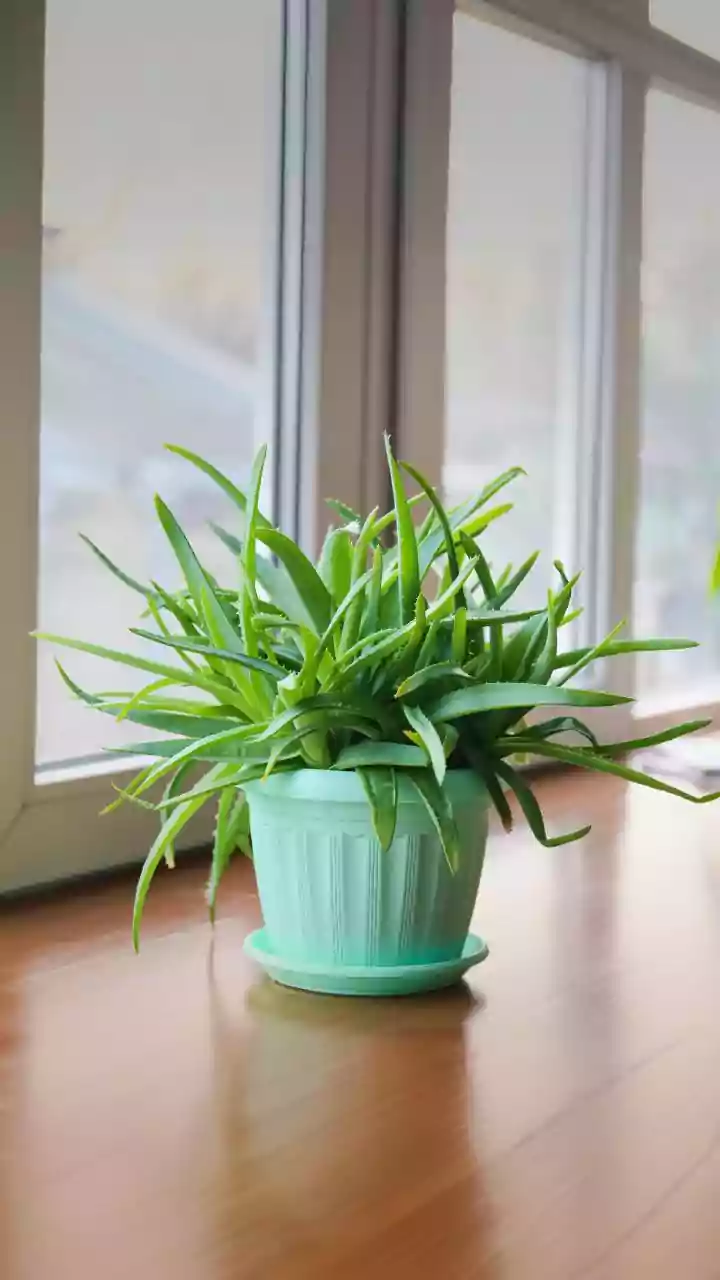
Focusing on personal objects is not only more meaningful but also more practical for the modern Indian renter. Prioritising smaller, moveable items means you are investing in things you can take with you, no matter where you go next. This could be a collection of interesting planters, a set of unique table lamps that create a warm, inviting glow, or a display of souvenirs from your travels. By shifting your budget away from bulky furniture that might not fit your next space, you free up resources to collect pieces that genuinely bring you joy and reflect your taste. This approach encourages mindful consumption, urging you to choose items with personal significance over transient trends. It’s about building a curated collection of your life, one that moves and grows with you.