




Understanding the Starlink Generations
To appreciate this news, it helps to understand how Starlink's hardware has evolved. The system has seen several iterations, starting with the original circular dish (Gen 1). This was followed by the rectangular, motorized Gen 2 dish, which became the most
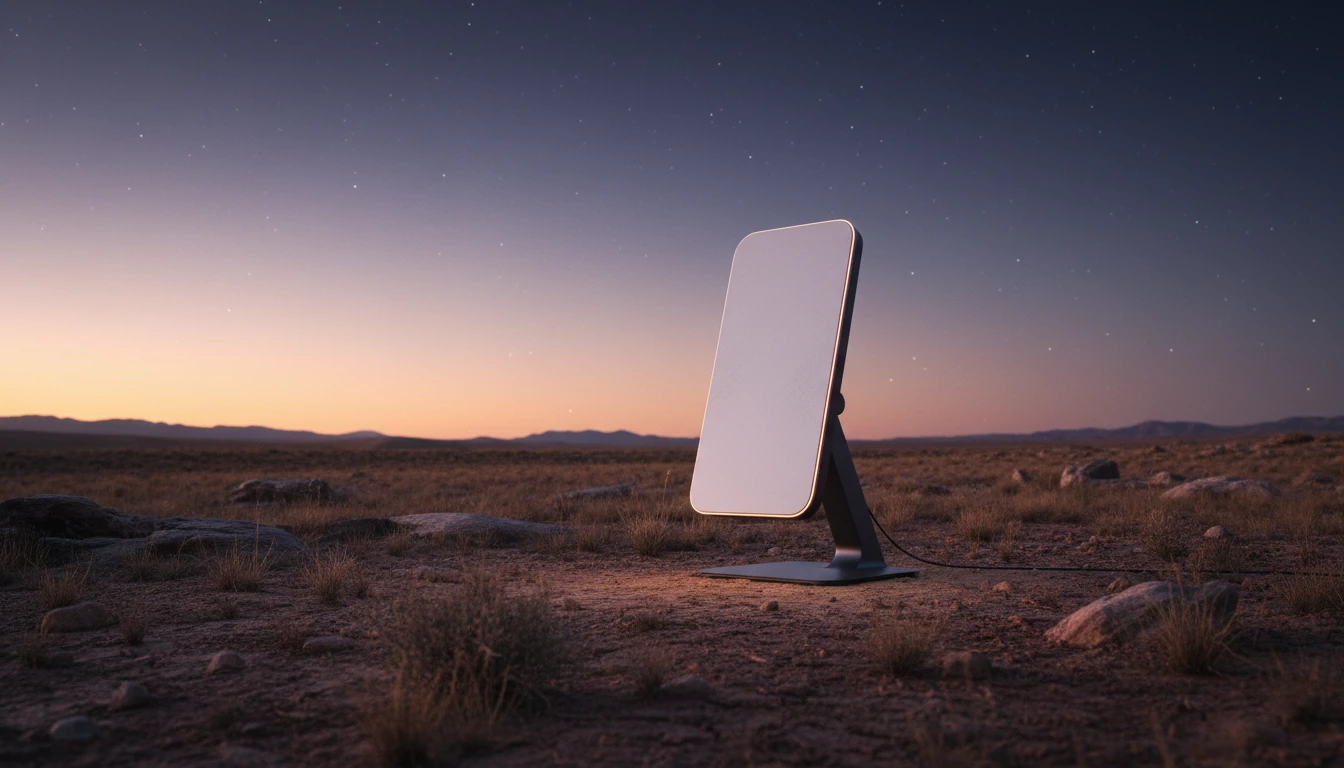
common version for years. More recently, Starlink introduced the Gen 3 dish, also known as the V4 or 'Standard' model, which did away with the motors for a simpler manual alignment. Each generation brought improvements, but also changes in hardware. The newest member of the family, the V5, is even lighter and more power-efficient than its predecessor, the V4. While tech enthusiasts often use terms like V4 and V5, these generally correspond to the official Gen 3 and the newest dish, respectively. The key takeaway is that Starlink is constantly refining its design for better performance and user experience.
The Crucial Detail: Router Compatibility
Here’s the heart of the matter. Official information confirms the new V5 dish is compatible with the Gen 2 router, the Gen 3 router, and the new Router Mini that ships with some kits. This is a significant and customer-friendly decision. In previous upgrade cycles, a new dish often required a new router, forcing users to replace their entire setup. By ensuring the new V5 dish can communicate with routers from the previous two generations, Starlink is protecting its customers' initial investment. An existing user who wants the benefits of the newer, more power-efficient V5 dish can now simply swap the dish itself, without needing to rewire their home or purchase and set up a new Wi-Fi router. This modular approach is a smart move that reduces waste and lowers the barrier for loyal customers to access the latest technology.
Why This Matters for Starlink Users
For the millions of people who rely on Starlink for connectivity in remote or underserved areas, this is more than just a technical detail. It represents real-world savings and convenience. Imagine you have a perfectly good Gen 3 router with Wi-Fi 6 capabilities that covers your whole house. The idea of having to discard it just to upgrade your dish is frustrating. This announcement eliminates that frustration. It means the upgrade path is simpler and more affordable. It also signals a maturing of Starlink as a service. Early on, rapid innovation meant frequent hardware changes. Now, the company is demonstrating a focus on building a sustainable, long-term ecosystem where components are interchangeable, benefiting the user in the long run. The V5 itself is more of an efficiency upgrade than a raw speed boost; in fact, its peak rated speed is slightly lower than the V4, but its power consumption is nearly halved. This makes it ideal for those looking to lower energy costs or run their system on alternative power.
A Strategic Shift for SpaceX
This decision isn't just about being nice to customers; it's a shrewd business strategy. By making upgrades easier and more affordable, SpaceX encourages customer retention and loyalty. A happy existing customer is more likely to recommend the service to others. Furthermore, simplifying the hardware ecosystem makes logistics and support much easier. Instead of managing multiple, incompatible product lines, Starlink can focus on a modular system. This approach is also crucial for entering new markets. A streamlined, user-friendly hardware strategy allows for faster deployment and a better out-of-the-box experience for new customers around the world.
The Indian Context: A Positive Sign
For those in India eagerly awaiting Starlink's official launch, this development is a very positive signal. As of mid-2026, the service's full commercial rollout in India is still pending final regulatory and security clearances. The government has been carefully reviewing the proposal, with national security being a key consideration. When Starlink does get the green light, Indian customers will be entering a much more mature and consumer-friendly ecosystem. They will likely have access to this latest generation of hardware from day one, benefiting from the lower power consumption of the V5 dish and the flexibility of the modular system. This hardware strategy shows that Starlink is planning for the long haul, which should provide confidence to future users in one of the world's largest potential markets for satellite internet.