


The Case for Fresh Berries: Vibrant and Firm
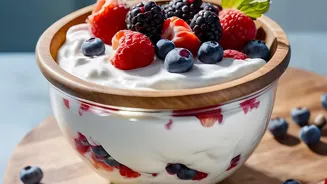
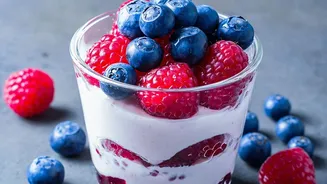
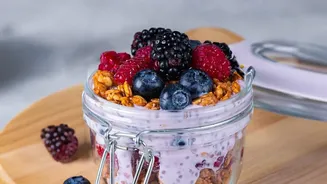
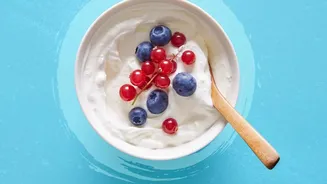
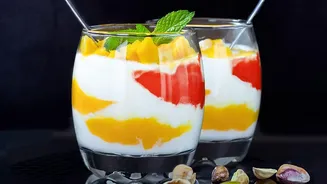
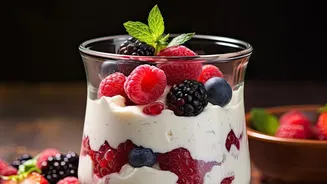
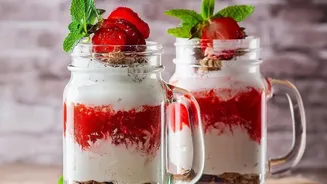
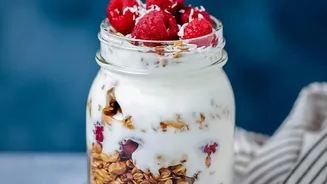
When you envision a perfect parfait, you likely picture plump, glistening fresh berries. This is their main appeal: texture and appearance. Fresh berries offer a firm bite that provides a distinct textural contrast to the smooth yoghurt. They hold their shape
beautifully, creating those clean, picture-perfect layers that are as much a feast for the eyes as they are for the palate. If you are preparing parfaits for guests and presentation is key, fresh fruit is often the preferred choice. The flavour of in-season fresh berries is also hard to beat—it's bright, nuanced, and immediate. However, this advantage is tied to seasonality. Out-of-season fresh berries can be expensive and sometimes lack the flavour of their peak-season counterparts. Plus, there's the prep work of washing, hulling, and slicing, which adds a few extra minutes to your routine.
The Frozen Fruit Advantage: Convenience and a Saucy Twist
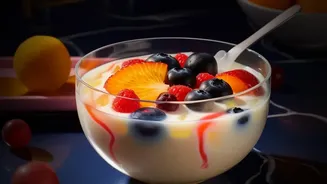
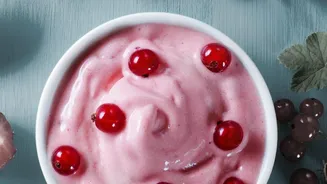
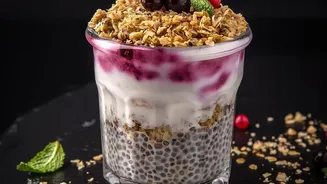
The freezer aisle offers a compelling alternative. Frozen berries are available year-round at a consistent price, making them a budget-friendly and reliable option. They come pre-washed and ready to use, which is a significant time-saver on busy mornings. But the real magic of frozen fruit in a parfait happens as it thaws. The ice crystals break down the fruit's cell walls, causing it to release its juices. This process creates a delicious, natural berry sauce that mingles with the yoghurt, infusing every layer with flavour. Some argue this makes for a tastier, more integrated parfait, even if the layers are less defined. The key is to manage the extra liquid. Some sources recommend partially thawing the fruit and draining excess water to prevent a soggy granola layer, while others embrace the sauciness as a feature, not a bug.
The Nutritional Showdown: A Surprising Result
Many assume that 'fresh is best' when it comes to nutrition, but the science tells a more complicated story. Fruits destined for freezing are typically picked at their peak ripeness and flash-frozen shortly after, a process that locks in their vitamins and minerals. In contrast, 'fresh' fruit in a supermarket may have travelled for days, slowly losing nutrients along the way. Studies have found that frozen produce is often just as nutritious as fresh, and in some cases, even more so. One study noted that frozen blueberries retained significantly more Vitamin C and E than fresh ones stored in a fridge for several days. For many fruits, the nutritional difference between fresh and frozen is negligible. So, if health is your main concern, you can choose frozen berries with confidence, knowing you aren't sacrificing nutritional value.
The Texture Tale: A Matter of Preference
The most significant difference between using fresh and frozen fruit is the final texture. Fresh berries provide a pop of firmness and a clean bite. Frozen berries, once thawed, become much softer and more delicate. Some describe this as 'mushy', warning that the released water can make granola soggy and create a less appealing consistency. However, others see this as a positive. The softened fruit blends more readily into the yoghurt, creating a creamy, fruit-swirled experience rather than distinct layers. For make-ahead parfaits, this is a key consideration. Frozen berries will continue to release liquid, creating a compote-like effect over time, which can be delicious if planned for. Fresh berries will hold their integrity better, but if you add granola too early, it can still become soft. Ultimately, neither texture is inherently better; it all comes down to personal preference.
A Simple Parfait for Any Fruit
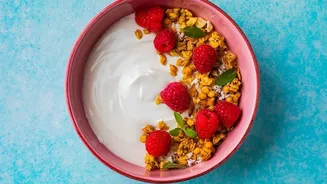
Whether you choose fresh or frozen, the foundation of a great parfait remains the same. Start with a glass or jar. Spoon in a layer of your favourite yoghurt—Greek yoghurt is a great choice for its thickness and high protein content. Next, add your fruit. If using fresh, simply place them in. If using frozen, you can add them directly from the freezer for a gradual thaw or let them sit for a few minutes to soften. Add a layer of granola for crunch, then repeat the layers until your glass is full. A drizzle of honey or a sprinkle of nuts can add a final touch. For the crunchiest granola, always add it just before serving or as the very top layer.