



The Artemis Generation
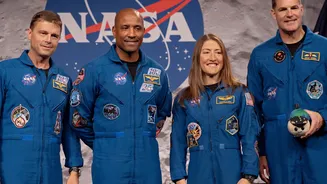
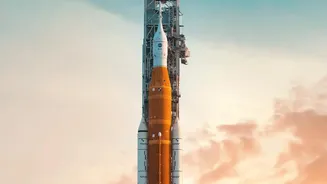
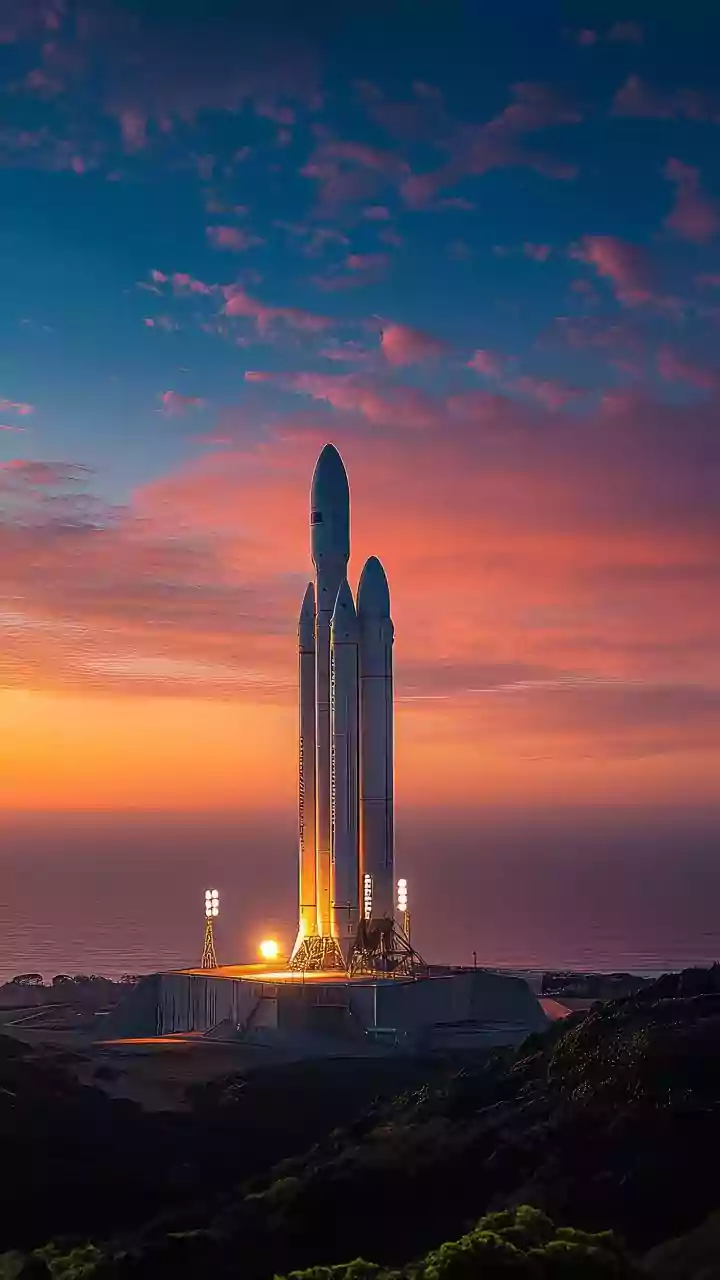
NASA has officially opened applications for its next class of astronaut candidates, a group that will form a core part of the 'Artemis Generation'. This isn't just another recruitment drive; it's a call for pioneers who will help America return to the Moon,
establish a sustainable human presence there, and ultimately prepare for the first crewed missions to Mars. The announcement was made on November 7, kicking off a recruitment window that closes on December 3, 2026. The individuals selected will be on the front line of one of the most exciting periods in space exploration since the Apollo era, with the potential to live and work on the lunar surface.
To the Moon and Beyond
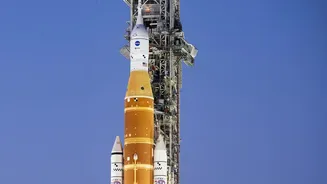
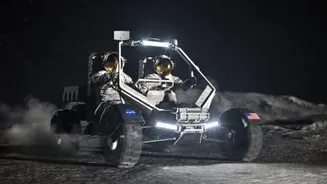
The recruitment push is directly tied to the expansion of NASA's Artemis program. Unlike the fleeting visits of the Apollo missions, Artemis aims for something far more permanent: an enduring human outpost on the Moon, including a planned Moon Base near the lunar South Pole. This long-term presence will serve as a vital proving ground for the technologies and procedures needed for humanity's next giant leap: a crewed mission to Mars. The Artemis program has already seen major milestones, including the successful Artemis II flyby mission in April 2026, and this new class of astronauts will be integral to the increasingly complex missions to come. They will help build and operate the systems that define this new chapter of exploration.
Do You Have the 'Right Stuff'?
The requirements to become a NASA astronaut have evolved significantly since the early days of spaceflight. While military pilots were once the standard, the modern astronaut corps is a diverse group of scientists, doctors, and engineers. To apply for this new class, candidates must be U.S. citizens and hold a master's degree in a STEM field such as engineering, biological science, physical science, or computer science. In addition to the master's degree, applicants must have at least three years of related professional experience. Alternatives to a master's degree include two years of work towards a relevant doctoral program, a completed medical degree, or graduation from a recognized test pilot school program. Pilots can also meet the experience requirement with significant flight time in high-performance aircraft. Crucially, all applicants must be able to pass NASA's rigorous long-duration spaceflight physical.
The Gruelling Selection Gauntlet
Meeting the basic requirements is just the first step on a long and incredibly competitive journey. The last time NASA opened applications in 2024, it received over 8,000 applications and ultimately selected only 10 candidates in 2025. The selection process is managed by NASA's Astronaut Selection Board, which will spend months reviewing applications to identify a small group of the most highly qualified individuals. These candidates are invited to the Johnson Space Center in Houston for intensive interviews, medical screenings, and psychological evaluations. A final selection for this new class is expected in late 2027.
Life as an 'AsCan'
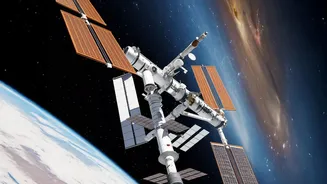
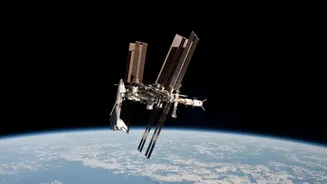
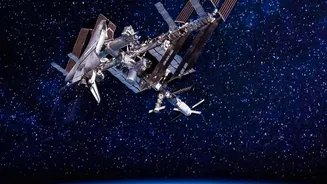
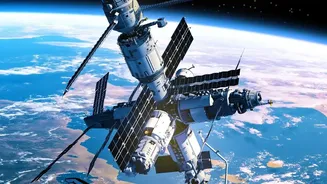
Those who make the final cut are designated as Astronaut Candidates, or 'AsCans'. They then begin a demanding twond year training program in Houston. This training covers a vast array of subjects essential for spaceflight, including spacecraft systems, robotics, Russian language proficiency, and extravehicular activity (spacewalking) in the giant swimming pool of the Neutral Buoyancy Laboratory. Only after successfully completing this exhaustive training are they officially designated as astronauts, becoming eligible for flight assignments to the International Space Station, future commercial space stations, and the groundbreaking missions of the Artemis program.