





The Summit Spark
With the 18th BRICS Summit scheduled for September 2026 in New Delhi, civic authorities have launched a massive preparedness campaign. The New Delhi Municipal Council (NDMC) and Public Works Department (PWD) are leading a coordinated effort to ensure
the city presents a world-class face to international delegates. This isn't just routine maintenance; it's a highly targeted operation focused on routes connecting the airport, designated five-star hotels, and key venues like Bharat Mandapam. The goal is to provide a seamless, secure, and aesthetically pleasing experience from the moment dignitaries arrive. To manage this sprawling task, the NDMC has divided 41 major roads into 14 circles, each managed by a dedicated nodal officer responsible for daily inspections and prompt issue resolution.
A Comprehensive Overhaul
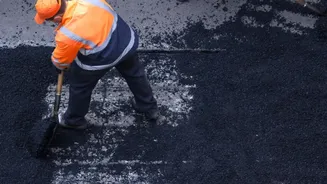
The work goes far beyond simply paving roads. The plan involves a top-to-bottom refresh of the city's core infrastructure. This includes repairing damaged footpaths, cleaning and fixing drains, installing new railings, and ensuring all road signage is clear and presentable. Beautification is a major component, with the NDMC identifying numerous locations for elaborate floral boards, fountains, and special illuminations at prominent roundabouts. Sanitation is also getting a significant boost, with special arrangements for round-the-clock cleaning from September 9 to 14. This involves deploying additional staff, night-duty teams, mechanical road sweepers, and even temporary dustbins to maintain impeccable cleanliness.
Drawing from a Proven Playbook
This intensive preparation model was refined during previous high-profile events in the capital, such as the G20 Summit in 2023 and various other international conferences. During the G20, similar city-wide drives saw the installation of statues, fountains, and millions of plants to welcome guests. Civic bodies have been directed to ensure the arrangements for the BRICS summit meet or even surpass the standards set during those events. Corridors that received special attention then, like the stretches around the airport, Ring Road, and approaches to Bharat Mandapam, are once again the focus. This playbook involves multiple agencies working in concert, from the PWD managing major arterial roads to the Municipal Corporation of Delhi (MCD) handling sanitation, colony roads, and local markets.
The Price of Prestige
Hosting a global summit comes with a significant price tag, and a large portion is dedicated to these infrastructure upgrades. For the G20 summit, for example, the total expenditure on beautification and related works by various agencies was estimated to be over ₹4,100 crore. The Public Works Department alone had a budget requirement of around ₹448 crore for its share of the work. These funds cover everything from large-scale projects like resurfacing entire road networks to smaller details like decorative lighting and horticulture. While a specific budget for the BRICS facelift has not been fully detailed, similar precedents suggest a substantial investment is underway to ensure the capital looks its best on the world stage.
Lasting Legacy or Temporary Polish?
The flurry of civic activity raises a recurring question: are these upgrades a lasting legacy or a temporary polish? Proponents argue that such events provide the impetus for much-needed infrastructure development that benefits residents long after the delegates have departed. Improved roads, better lighting, and enhanced public spaces can become permanent assets. However, critics often point out that these beautification drives can sometimes serve to hide deeper urban issues, such as the displacement of street vendors or the neglect of areas not on the VIP routes. The focus, they argue, is on creating a sanitized spectacle rather than addressing systemic problems. The challenge for city planners is to leverage the summit's momentum to create meaningful, long-term improvements that serve all citizens, not just the temporary visitors.