




Deconstructing the 'Double Carb' Fear
For years, nutrition advice has cautioned against pairing two starchy foods in one meal, like having potatoes with bread or rice with a roti. This practice, known as "double carbing," has been linked to potential weight gain and metabolic issues. The
concern is that loading up on carbohydrates, especially refined ones, can cause a rapid spike in blood sugar. Your body releases insulin to manage this glucose surge, and high insulin levels can temporarily suppress the body's ability to burn stored fat. Over time, this cycle could contribute to energy crashes, cravings, and potentially insulin resistance, making weight management more challenging.
Not All Carbs Are Created Equal
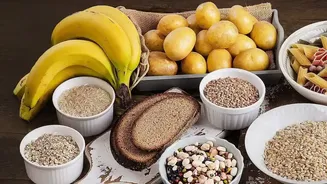
The problem with the anti-double-carbing argument is that it often treats all carbohydrates as the same—which they are not. Carbs fall into two main categories: simple and complex. Simple carbs, found in things like white bread, sugary drinks, and processed snacks, are made of short sugar molecule chains. They digest quickly, leading to that fast spike and subsequent crash in blood sugar and energy. Complex carbohydrates, found in whole grains, legumes, and vegetables, are made of longer, more complex chains. They take longer for the body to break down, providing a slower, more sustained release of energy. They are also typically rich in fibre, which aids digestion, helps control cholesterol, and makes you feel fuller for longer.
The Power of Smart Pairing
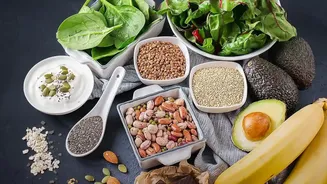
This is where the nutrition story changes. Instead of fearing the 'double' in double carbing, the focus should shift to the quality and combination. Pairing two different high-quality, complex carbohydrates can actually be beneficial. For example, combining a starchy vegetable like sweet potato with a whole grain like quinoa provides a diverse range of vitamins, minerals, and fibre. This smart pairing can lead to more stable blood sugar levels, sustained energy, and better appetite regulation throughout the day. The fibre and nutrients from both sources work together to slow down digestion, preventing the sharp energy peaks and valleys associated with meals high in refined carbs.
Your Guide to Smarter Double Carbing
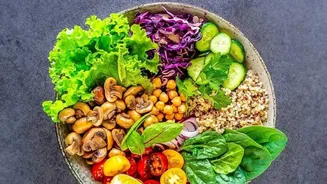
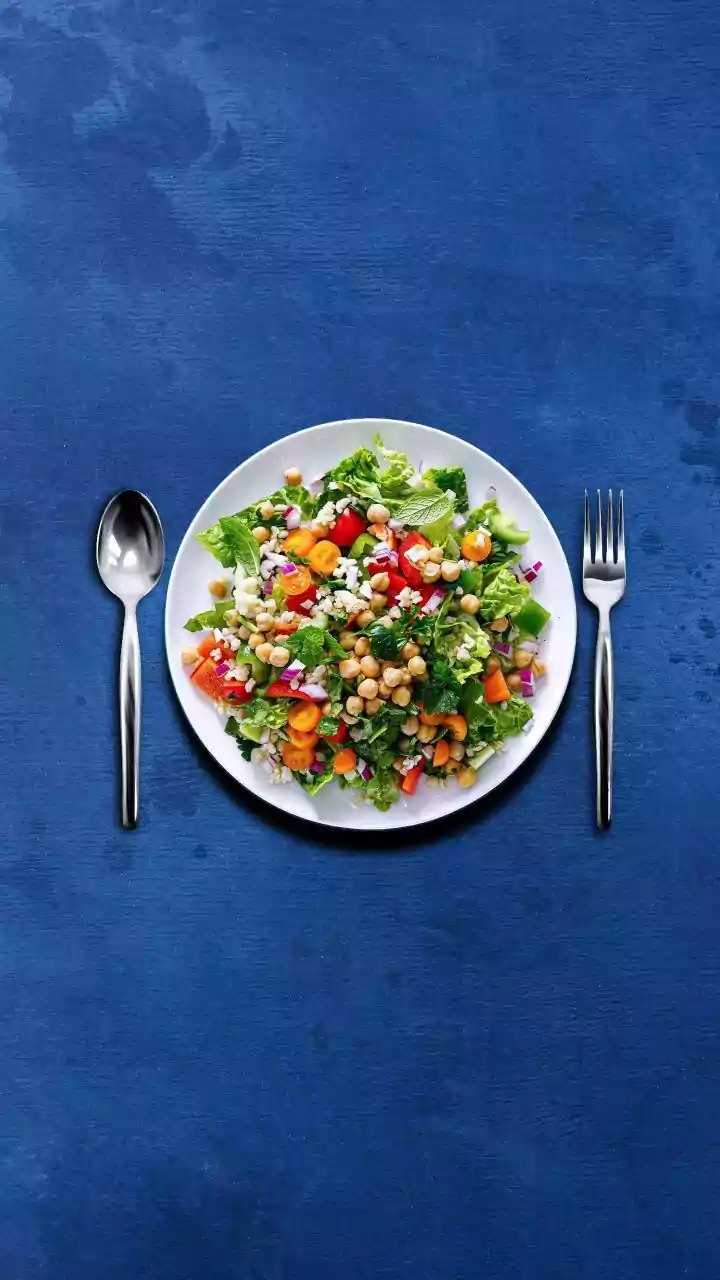
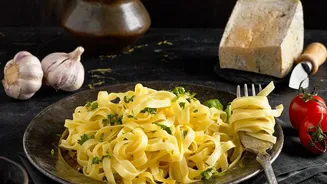
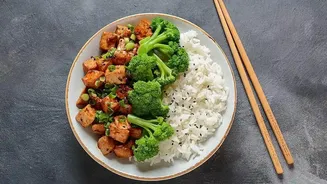
Putting this into practice is about making mindful swaps. Instead of pasta with a side of garlic bread, try wholewheat pasta with a serving of chickpeas or lentils mixed in. The lentils act as a second, fibre-rich carb source that also adds protein. Instead of having white rice with a potato curry, consider brown rice with a side of roasted sweet potatoes and other vegetables. The key is to choose carbs in their whole, unprocessed form as much as possible and ensure the meal is balanced. A good strategy is to pair one starchy complex carb (like brown rice or oats) with a non-starchy carb (like broccoli, carrots, or leafy greens) and a source of protein or healthy fat to further stabilize blood sugar.
Context and Portion Size Still Matter
Even with high-quality carbs, portion control remains crucial. Carbohydrates are the body's primary fuel source, and your needs depend on factors like your activity level. Athletes, for instance, may strategically use multiple carbohydrate sources to replenish their energy stores. For most people, a balanced plate is key. A helpful guide is the 'balanced plate method', where about one-quarter of your plate is dedicated to high-fibre carbohydrates, one-quarter to lean protein, and the remaining half to non-starchy vegetables. Occasional double carbing with refined carbs isn't likely to cause harm, but a consistent focus on quality, balance, and portion size is the foundation of a sustainable, healthy diet.