






What is E20 and Why the Change?
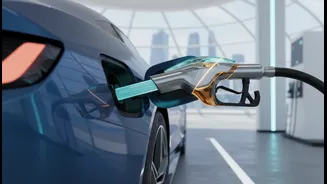
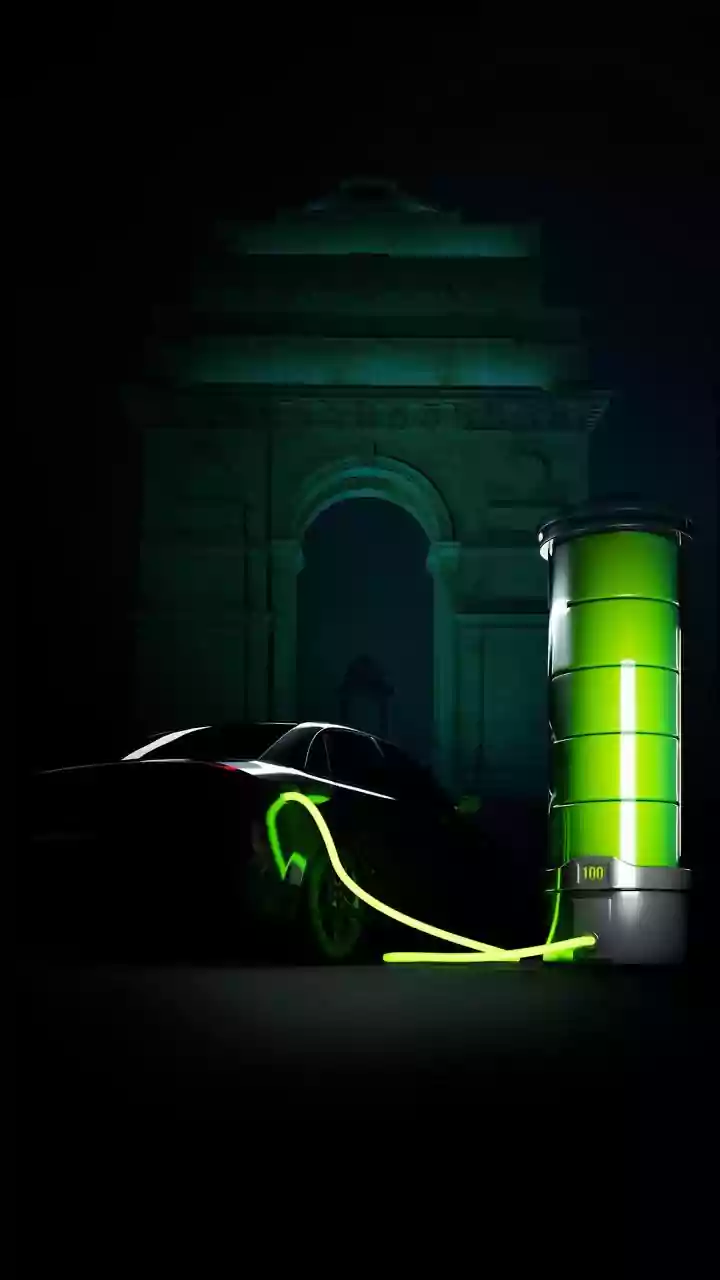
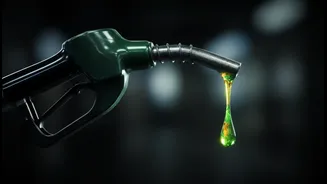
E20 petrol is a fuel blend containing 20% ethanol, an alcohol-based biofuel typically derived from crops like sugarcane and maize. The Indian government has aggressively pursued its adoption, advancing the target for a nationwide rollout to 2025 from an original
2030 goal. The primary motivations are to reduce the country's reliance on expensive imported crude oil, lower vehicular emissions, and provide a stable market for farmers. The government estimates this shift can save the country around $4 billion annually while also reducing emissions of pollutants like carbon monoxide.
The Risk for Older Vehicles
The central concern for many drivers is whether their car can safely run on E20. For vehicles manufactured before 2023, the answer is often no. Ethanol has corrosive properties and is also hygroscopic, meaning it absorbs moisture from the air. In non-compliant vehicles, this can lead to the degradation of rubber and plastic components in the fuel system, such as fuel lines, gaskets, and seals. Over time, this can cause fuel leaks and potential engine damage. Furthermore, the water absorbed by ethanol can separate and settle at the bottom of the fuel tank, leading to rust and starting problems, especially if a vehicle sits idle for long periods.
A Noticeable Drop in Mileage
Beyond component wear, many drivers of older cars report a significant drop in fuel efficiency. This is because ethanol has a lower energy density than pure petrol, meaning the engine needs to burn more fuel to produce the same amount of power. While E20-compatible cars may see a minor mileage drop of around 5-7%, some owners of non-compliant vehicles have reported decreases of up to 20%. This has led to frustration as drivers find themselves visiting the pump more frequently.
Vehicle Design Safeguards and Manufacturer Readiness
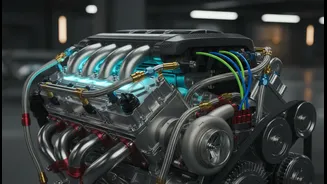
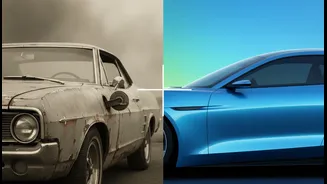
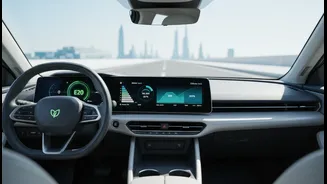
In response to the government's roadmap, automakers have been preparing for this transition. Most cars manufactured from April 2023 onwards are designed to be E20 material compliant, and models from 2025 are built with fully E20-tuned engines. These modern vehicles use ethanol-resistant materials for all fuel system components to prevent corrosion and degradation. Major manufacturers including Maruti Suzuki, Hyundai, Tata, Mercedes-Benz, and BMW have confirmed their recent model lineups are fully compatible with E20 fuel. Some brands, like Honda, state their cars have been E20 compatible for over a decade.
How to Check Your Car's Compatibility
For vehicle owners, confirming compatibility is crucial. The easiest way is to check for a sticker inside the fuel filler door, which often specifies the recommended fuel type (e.g., "E20 Compatible"). If there's no sticker, the vehicle's owner's manual is the next best place to look. Many manufacturers have also listed their E20-compliant models on their websites. In case of doubt, contacting an authorized service center with your vehicle's details can provide a definitive answer.