

From Digital Fatigue to a Desire for Depth
The very generation that grew up with infinite content on demand is showing signs of digital exhaustion. Studies indicate that a significant percentage of Gen Z feels mentally drained from constant online engagement, which can lead to anxiety, trouble
focusing, and a feeling of loneliness despite being hyper-connected. While they still spend hours online, many report that maintaining a digital presence feels like work. This burnout is fueling a desire for more meaningful, offline relationships and experiences. The endless scroll and algorithm-driven content streams, while convenient, often lack the emotional depth and connection that come from being physically present with others.
The Quest for a 'Third Space'
This search for connection has led to a renewed appreciation for what sociologists call 'third spaces'. Coined by Ray Oldenburg, the term describes a place outside of the home (the first space) and work or school (the second space) where people can gather, socialize, and build community. For previous generations, this might have been a mall, a park, or a local club. Today, with many of those traditional spaces dwindling or becoming too expensive, Gen Z is seeking new, accessible alternatives. The cinema is perfectly positioned to fill this role. It offers a low-pressure social environment that is more affordable than many other outings like concerts or clubbing.
The Irreplaceable Magic of Shared Experience
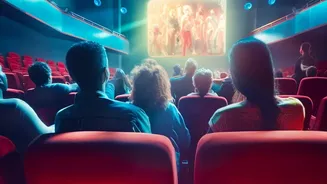
For Gen Z, going to the movies is increasingly seen as a social activity rather than just a way to consume a film. Unlike solo streaming on a couch, the cinema offers the powerful, collective experience of laughing, gasping, and crying with a room full of strangers. It transforms watching a film from a passive act into an active, communal event. This desire for shared moments was amplified by the years of isolation during the pandemic, which created a deep-seated hunger for tangible, real-world interactions. The cinema provides a rare opportunity to be part of a crowd and a cultural conversation, something that streaming platforms, for all their convenience, simply cannot replicate.
The Luxury of Being Phone-Free
A crucial element of the cinema's appeal is that it demands something increasingly rare: your undivided attention. In a world of fragmented focus and constant notifications, the dark auditorium acts as an enforced digital detox. For two hours, you are invited to disconnect from the digital world and immerse yourself in a single story. This act of putting the phone away and being fully present has become a luxury. It provides a welcome escape not just from daily pressures but from the anxiety of the endless scroll. The cinema is one of the few remaining places where being unreachable is the social norm, allowing for a deeper engagement with the art and the people you are with.
How the Internet Fuels the Cinema Boom
Ironically, the internet itself is a major driver of this trend. Social media platforms like TikTok and community-based apps like Letterboxd have turned moviegoing into a dynamic, ongoing conversation. Film press tours are now designed to create viral moments and build anticipation online, generating a fear of missing out (FOMO) that drives people to see a movie on opening weekend. Being able to participate in the online discourse—sharing reviews, memes, and hot takes—has become part of the experience. Gen Z isn't abandoning their digital lives; they are using them to enrich their physical ones, turning a trip to the movies into a cultural event that starts online and culminates in a shared, real-world experience.