






The Myth of Monsoon Neglect
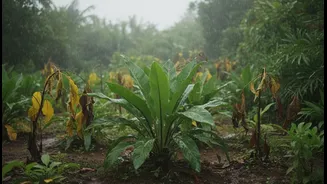
Many gardeners assume that the rainy season is a time to relax their plant care routine. With abundant rainwater, the daily task of watering is often unnecessary. However, this period of high humidity, reduced sunlight, and constant dampness creates a new
set of challenges that can be more dangerous than the summer heat. Continuous moisture makes plants vulnerable to fungal diseases, root rot, and pest infestations. Your role as a plant parent must evolve; instead of providing water, you must now protect your plants from having too much of it and the problems that follow.
Mastering the Art of Drainage
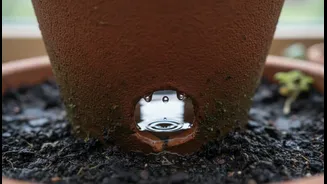
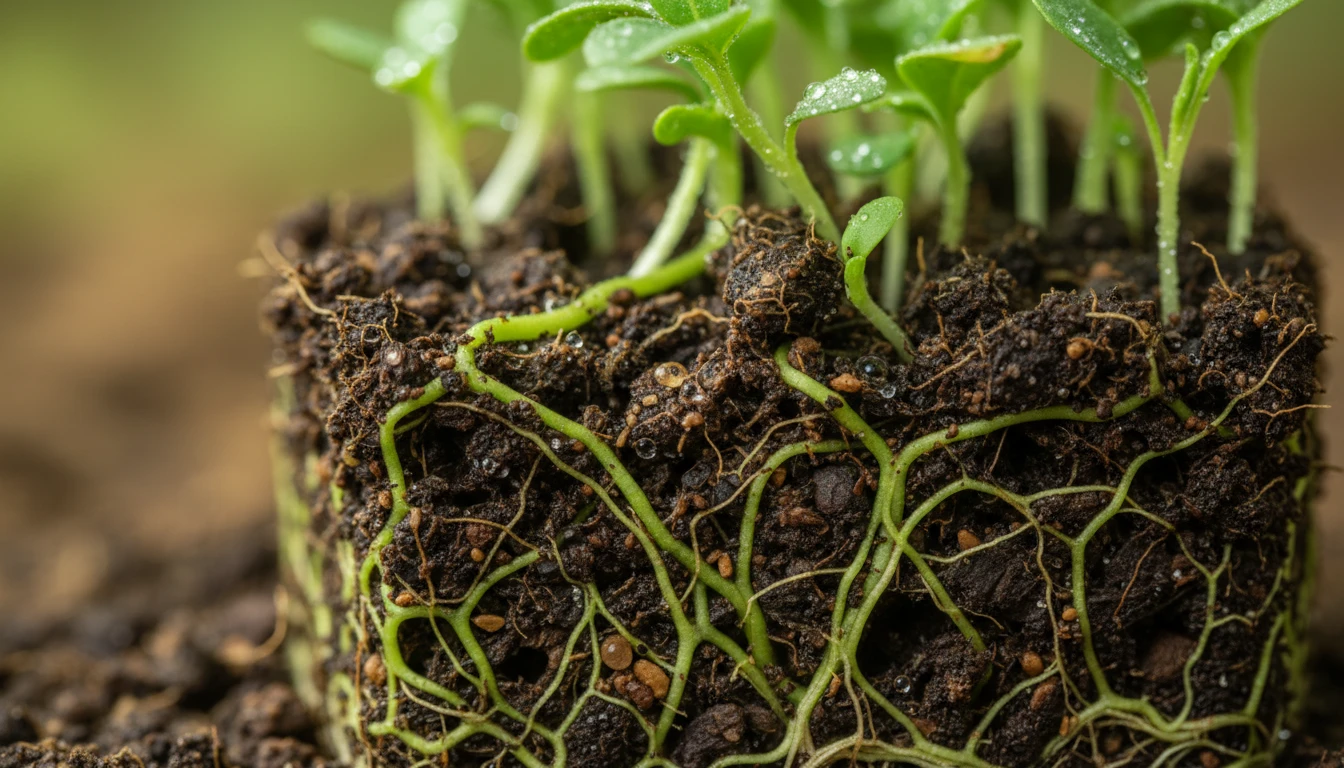
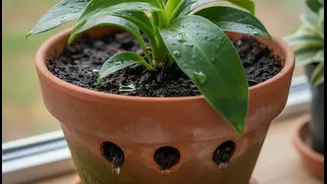
The single greatest threat to your plants during the monsoon is waterlogged soil. When roots are deprived of oxygen, they begin to decay, a condition known as root rot. This is often fatal. To prevent this, ensure every pot has unobstructed drainage holes. If your plants are in heavy clay soil, consider repotting them into a lighter, more porous mix. A good combination often includes equal parts garden soil, coco peat, and coarse sand or perlite. It’s also wise to empty the saucers or trays beneath your pots after it rains to prevent them from sitting in stagnant water, which can suffocate roots and become a breeding ground for mosquitoes.
Watching for Fungal Foes and Pests
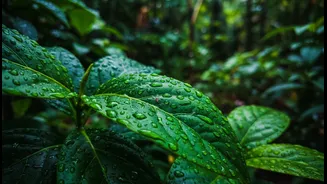
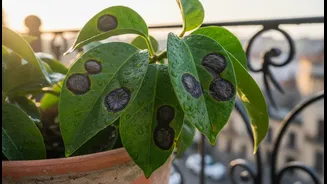
High humidity is the perfect environment for fungi and bacteria to thrive. Look out for warning signs like white powdery mildew on leaves, black or brown spots, and wilting despite wet soil. Good air circulation is a key preventative measure. Avoid crowding plants together and consider light pruning to open up dense foliage. A preventive spray of neem oil solution (about 5 ml per litre of water) every 10-15 days can help keep common pests at bay. For fungal issues, sprinkling a small amount of cinnamon powder on the soil surface can act as a natural fungicide.
Rethinking Your Fertiliser Schedule
Plant growth often slows during the monsoon due to reduced sunlight, which limits photosynthesis. At the same time, heavy rains can wash essential nutrients out of the soil. This means you need to fertilise, but lightly. A heavy dose of fertiliser on a slow-growing plant can do more harm than good. Opt for a balanced, gentle liquid fertiliser or organic options like vermicompost once every three to four weeks. This approach replaces lost nutrients without overwhelming the plant’s stressed system.
The Importance of Pruning and Placement
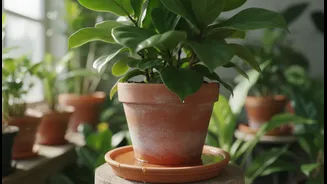
Strategic pruning during the monsoon can significantly improve plant health. Trim away any yellow, dead, or diseased leaves immediately to prevent infections from spreading. Removing excess foliage also improves airflow, which helps leaves dry faster and reduces fungal risk. The monsoon is also a good time to prune for shape and encourage bushier growth. Pay attention to where your plants are located. On cloudy days, they will get significantly less light. Move them closer to windows or to covered balconies where they can receive bright, indirect light without being waterlogged by heavy downpours. For plants susceptible to strong winds, providing some form of support or staking can prevent damage.