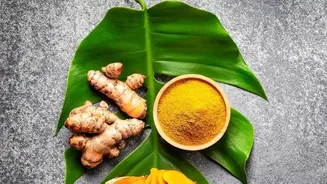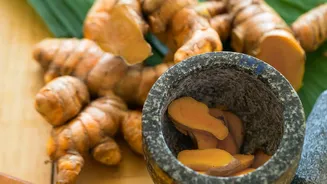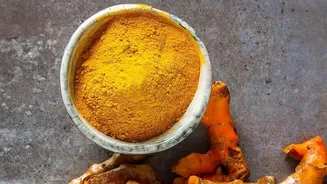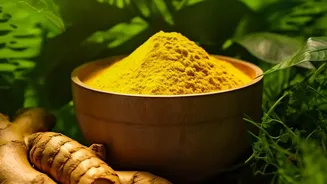



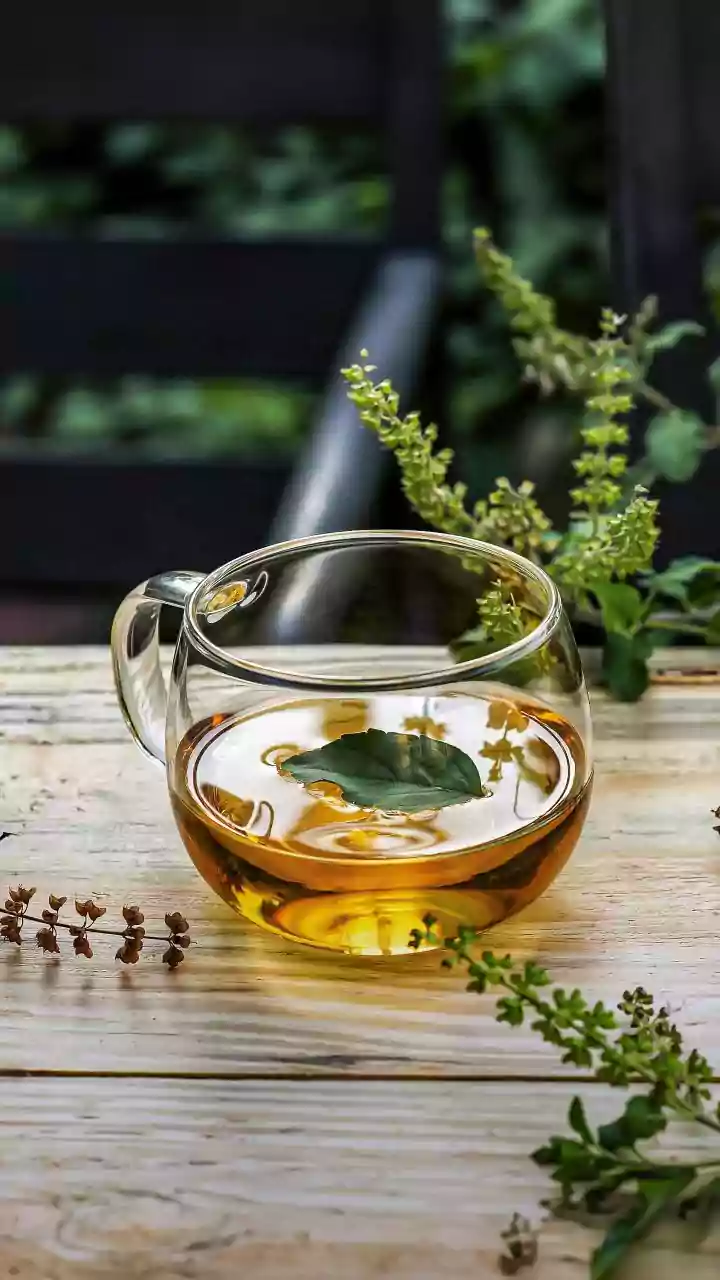


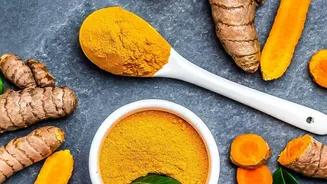

Turmeric (haldi) and ginger (adrak) are cornerstones of Indian cuisine, but their fame has gone global, celebrated for their potential health benefits. Let's explore the science behind their anti-inflammatory power and their proper place in your wellness
routine.
Ancient Spices, Modern Buzz
For centuries, turmeric and ginger have been staples not just in our kitchens but also in traditional medicine systems like Ayurveda. Turmeric, with its vibrant golden hue, and ginger, its pungent and spicy relative, are prized for their flavour and perceived therapeutic properties. In recent years, modern science has begun to investigate these ancient claims, focusing on specific active ingredients within the spices that may be responsible for their effects. This has led to a surge in their popularity as 'superfoods', with countless products from teas to supplements flooding the market, all promising natural wellness. But what does the evidence actually say about their power to fight inflammation?
The Power of Bioactive Compounds
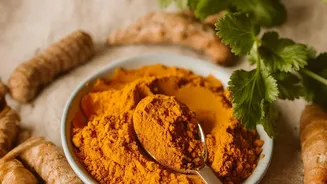
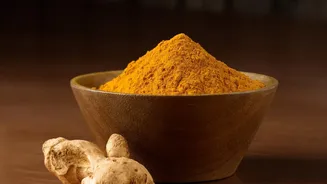
The health buzz around turmeric and ginger comes down to their bioactive compounds. In turmeric, the star player is curcumin. Curcumin is a polyphenol that gives turmeric its iconic colour and is credited with strong antioxidant and anti-inflammatory properties. Ginger's potency comes from a group of phenolic compounds, most notably gingerols and shogaols. These are the substances responsible for ginger's sharp, distinctive taste. Both curcumin and gingerols have been the subject of numerous studies looking into how they interact with the body's inflammatory pathways. These compounds are what scientists are referring to when they talk about the potential health benefits of these spices.
The Science of Soothing Inflammation
Inflammation is the body's natural response to injury or infection, but when it becomes chronic, it can contribute to a host of health problems. Research suggests that compounds in turmeric and ginger may help manage this process. Studies have shown that curcumin can inhibit the activation of certain molecules, like NF-κB, that play a key role in triggering inflammation. Similarly, compounds in ginger like 6-gingerol are believed to suppress the production of inflammatory mediators in the body. While much of this research is promising, many studies have been conducted in labs or on animals. More large-scale human trials are needed to fully understand their effects and determine optimal dosages for therapeutic use.
A Major Hurdle: The Absorption Issue
There's a significant catch to all this promising science, especially for turmeric. The main bioactive compound, curcumin, has very low bioavailability. This means that when you consume it, your body struggles to absorb it effectively, and it gets broken down and eliminated quickly. However, there is a simple kitchen trick to help. Studies have shown that combining turmeric with black pepper can dramatically increase curcumin absorption. This is thanks to a compound in black pepper called piperine, which has been found to boost bioavailability by as much as 2000%. Additionally, since curcumin is fat-soluble, consuming it with a source of healthy fat, like ghee or coconut oil, can also aid absorption.
Food, Not a Replacement for Treatment
This is the most critical point to understand. While adding turmeric and ginger to your food is a healthy practice, it is not a substitute for medical treatment. The amount of bioactive compounds in a sprinkle of spice is far less than the concentrated doses used in clinical studies. Chronic inflammation and the diseases associated with it require a comprehensive medical diagnosis and a tailored treatment plan from a qualified doctor. Relying solely on spices to manage a serious health condition is ineffective and can be dangerous. High-dose supplements, in particular, can carry risks and may interact with medications, including blood thinners, or cause digestive issues. In some rare cases, extremely high doses have been linked to liver problems.
Making the Most of Nature's Pantry
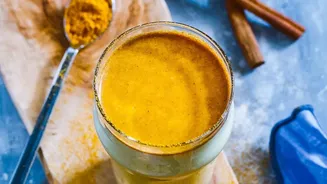
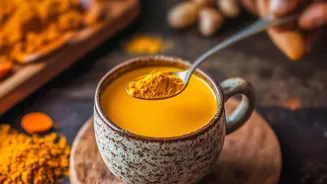
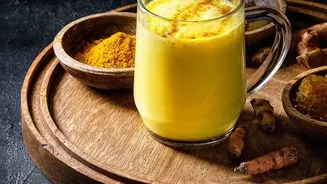
The best and safest way to reap the benefits of turmeric and ginger is to incorporate them into your daily diet as whole foods. Add fresh grated ginger to your morning tea, dals, and vegetable stir-fries. Use turmeric generously in your curries, sabzis, and rice dishes, and remember to add a pinch of black pepper to enhance absorption. A comforting glass of 'haldi doodh' (turmeric milk) made with a little fat and pepper before bed is another excellent way to include it. Viewing these spices as part of a balanced, plant-rich diet is the right approach. They are powerful components of a healthy lifestyle, working alongside other nutritious foods to support your overall well-being, rather than acting as a standalone cure.