






Why These Warnings Are Important
Most medicines available over-the-counter (OTC) or via prescription are safe when taken as directed. However, some of the most common drugs used for pain, fever, and inflammation can have unintended consequences for vital organs. The kidneys, liver, and stomach
are particularly vulnerable because they are central to how your body processes and filters what you consume. Warnings are not meant to be alarming, but to provide crucial context. The risk often depends on the dose, how long you take the medicine, and your individual health factors, such as pre-existing conditions. Being informed allows you to use these medicines responsibly.
Stomach Risks: Pain Relievers and Ulcers
One of the most common groups of medications, nonsteroidal anti-inflammatory drugs (NSAIDs), is frequently linked to stomach issues. This class includes widely used painkillers like ibuprofen and naproxen. These drugs work by blocking enzymes that cause inflammation and pain. However, these same enzymes also help protect the stomach lining from acid. When this protection is reduced, it can lead to heartburn, indigestion, and in more serious cases, stomach ulcers and bleeding. The risk increases for older adults and those with a history of stomach problems. Taking NSAIDs with food can help reduce irritation, but it's crucial not to use them for longer than recommended without a doctor's guidance.
Kidney Health: The Body's Filter System
The kidneys filter waste from your blood, and some medications can make this job harder. NSAIDs like ibuprofen and naproxen can reduce blood flow to the kidneys, which can impair their function over time, especially with long-term use or in high doses. This is particularly risky for individuals who already have kidney disease, heart failure, or liver disease. While occasional use at the recommended dose is generally safe for healthy individuals, those with high blood pressure or diabetes should be cautious. Many other drugs, including certain antibiotics and blood pressure medications, may also require dose adjustments for people with kidney issues.
Liver Risks: The Danger of Paracetamol Overuse
Paracetamol, also known as acetaminophen, is a staple in most Indian households for treating fever and pain. While it is generally considered safe and doesn't irritate the stomach like NSAIDs, it carries a significant risk to the liver if overused. In fact, paracetamol overdose is one of the most common causes of drug-induced liver injury worldwide. The liver metabolises the drug, but when you take too much, its capacity is overwhelmed, leading to the build-up of toxic byproducts that can cause severe liver damage or even failure. It is critical to never exceed the maximum daily dose—typically 4 grams (4000 mg) for adults—and to be aware that many combination cold and flu products also contain paracetamol.
How to Read and Respect the Label
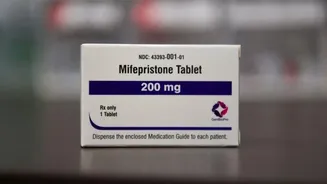
The information you need is always on the product's packaging or in the leaflet inside. Look for the 'Warnings' or 'Directions' section. This area details who should avoid the drug, potential side effects, and when to consult a doctor. Pay close attention to the recommended dose and the maximum number of doses you can take in 24 hours. Warning labels, which may be brightly coloured stickers, provide crucial information about how to take the medication correctly. Remember to check the active ingredients, especially when taking multiple OTC products, to avoid accidentally doubling up on a drug like paracetamol or an NSAID.
Your Best Defence: Talk to an Expert
While reading labels is essential, nothing replaces personalised medical advice. Your pharmacist and doctor are your best resources for understanding how a medication might affect you based on your health history and other medicines you take. Always inform your healthcare provider about any pre-existing conditions, especially related to your kidneys, liver, stomach, or heart. They can recommend the safest option, suggest the correct dosage, and help you monitor for any potential side effects. Never hesitate to ask questions if a warning label is unclear or if you are concerned about risks.