
The Core Philosophy: Powerhouse vs. Dantien
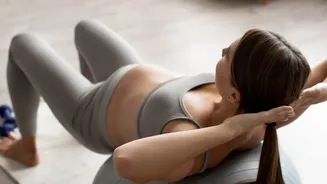
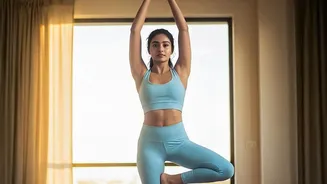
In the world of Pilates, core engagement is all about the 'Powerhouse'. Coined by founder Joseph Pilates, this term refers to a network of muscles that includes the deep abdominals, pelvic floor, lower back, and glutes. The goal is to create a strong,
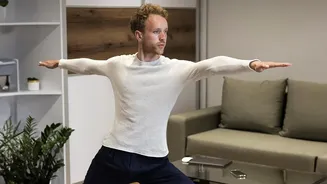
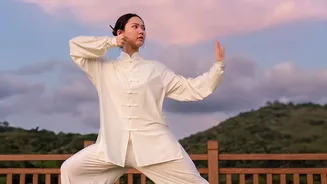
stable centre that acts like a supportive girdle for the spine, from which all movements can originate with control and precision. Pilates trains you to consciously engage these deep muscles, often by drawing the navel toward the spine, to build a solid foundation for every exercise.Tai Chi, by contrast, centres its practice on the 'Dantien'. This is not just a group of muscles but an energy centre located a few inches below the navel, considered the body's reservoir of vital energy, or Qi. Core engagement in Tai Chi is less about muscular tension and more about cultivating a relaxed, connected strength that flows from this central point. Movement originates from the Dantien, creating a sense of groundedness and allowing the body to move as a single, integrated unit.
Type of Movement: Controlled vs. Flowing
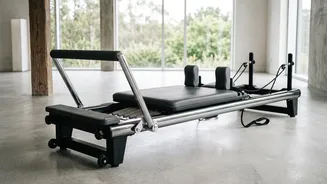
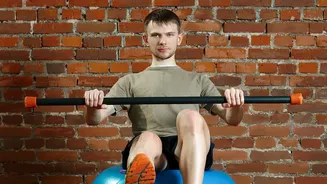
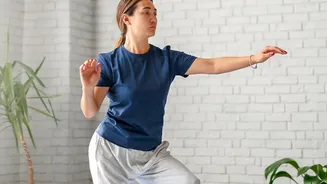
Pilates exercises are characterized by their precision and control. Whether on a mat or a reformer machine, the movements are deliberate and often repetitive, designed to isolate and strengthen specific parts of the Powerhouse. The emphasis is on maintaining correct alignment and executing each move with mindful intention, taking momentum out of the equation to force the muscles to do the work. This approach is highly effective for building muscular endurance and functional strength that supports posture and prevents injury.Tai Chi is often described as 'meditation in motion' because its movements are continuous, circular, and fluid. Instead of a series of distinct exercises, practitioners learn flowing forms that connect one posture to the next through slow, graceful weight shifts. This constant, slow motion challenges the core in a different way, requiring the deep stabilizing muscles to work consistently to maintain balance and coordinate the upper and lower body. The strength built here is dynamic and integrated, enhancing stability during movement rather than in static positions.
Muscle Engagement and Breath
The way the muscles work in each discipline is a key differentiator. Pilates utilizes concentric, eccentric, and isometric contractions to build strength. You might be asked to shorten a muscle (concentric), lengthen it under tension (eccentric), or hold it in a static position (isometric), like in a plank. Breathing is systematically coordinated with movement, often with an exhale on the exertion to deepen the activation of the transverse abdominis—the body's natural corset.In Tai Chi, core muscles are engaged more subtly to keep the torso upright and stable while the limbs are in motion. It’s a 'sneaky workout' where core strength develops as a byproduct of maintaining balance and posture through slow, deliberate weight transfers. The breath is deep, soft, and continuous, synchronized with the flowing movements to promote relaxation and energy flow, rather than to drive muscular contraction. This deep diaphragmatic breathing itself helps activate the Dantien and influences abdominal pressure.
The End Goal: Stability or Harmony?
Ultimately, the 'better' practice depends entirely on your personal fitness goals. Pilates is an excellent choice if your primary goal is to build targeted core strength, improve posture, and rehabilitate from or prevent injury. Its structured, methodical approach delivers measurable gains in muscle tone and stability, creating a powerful support system for the spine.Tai Chi is often the better fit for those seeking improved balance, stress reduction, and gentle, low-impact movement that benefits the entire body. While it absolutely builds core strength, it does so as part of a holistic system aimed at creating harmony between mind and body, improving coordination, and cultivating a calm, focused awareness. The core strength you gain is functional and supports dynamic, everyday movements.