







The Changing Face of Protein
Not long ago, large tubs of protein powder were almost exclusively found in the kits of serious athletes and bodybuilders. Today, the perception of protein is undergoing a significant transformation. A recent release from VMPL highlights this trend, noting
that protein is no longer a conversation reserved for the gym floor. This shift is backed by market data, which shows India's protein supplement market is on a steady growth path, projected to expand significantly in the coming years. This growth isn't just coming from more athletes, but from a new wave of everyday consumers who view protein as a key component of general health, weight management, and overall well-being.
Meet the New Protein Consumer
The new audience for protein is diverse. It includes working professionals juggling hectic schedules, parents looking for nutritious options for their families, and aging adults aiming to maintain muscle mass and mobility. This emerging consumer base is less concerned with building massive muscle and more focused on practical benefits like sustained energy, immunity support, and filling nutritional gaps in their diet. Convenience is a major factor driving this trend, with purchases of protein products on quick-commerce platforms growing by 150% over the past two years. This demand is being seen not just in major metros but is growing even faster in smaller cities, showing a widespread shift in dietary priorities across the country.
Beyond the Shaker Bottle
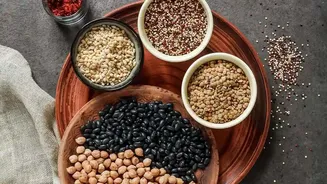
As the consumer base has broadened, so has the range of products. The market has moved far beyond simple whey powders. Today, you can find protein in a vast array of convenient and accessible formats. Supermarket shelves now feature protein-fortified snacks, biscuits, breakfast cereals, and even traditional staples like atta and dosa batter. Brands are innovating with ready-to-drink shakes, protein bars, and plant-based options to cater to different dietary needs and preferences, including veganism and lactose intolerance. Major companies like Amul and ITC have entered the space, launching high-protein versions of everyday products like milk, paneer, and yoghurt, making it easier for consumers to integrate more protein into their daily meals.
The Drivers Behind the Demand
Several factors are fuelling this protein boom. A growing awareness of health and preventive wellness, particularly in the post-pandemic era, has encouraged more Indians to prioritise nutrition. There's also a greater understanding of the widespread protein deficiency in Indian diets, with some studies suggesting that around 73% of the population consumes inadequate amounts. While the average intake has increased slightly, many still fall short. This awareness gap is slowly closing, with more consumers actively seeking out protein-rich foods. A recent survey found that 86% of Indians now consider protein an important factor when choosing snacks. This rising consciousness, combined with increasing disposable incomes, has created a fertile ground for the protein market to flourish.
Navigating the New Protein Aisle
While the increased focus on protein is a positive step, it also brings a wave of new choices and information for consumers to navigate. Despite more people tracking their intake, one report found that a high percentage of consumers still feel uncertain about protein-related information. Experts advise looking beyond the marketing hype and focusing on the quality and source of the protein. As consumers become more discerning, there is a growing demand for 'clean-label' products with transparent ingredient lists and no artificial additives. Ultimately, the goal is not just to eat more protein, but to eat appropriately for one's individual needs, ensuring it's part of a balanced diet that also includes fibre, healthy fats, and other essential nutrients.