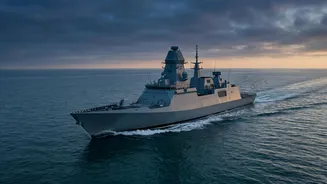









Forging a Partnership in a Contested Ocean
The seas of the Indo-Pacific are more than just vast stretches of water; they are the world's most critical trade arteries and, increasingly, a theater of strategic competition. For years, India and Japan have advocated for a 'Free and Open Indo-Pacific',
a vision built on international law and freedom of navigation. This new maritime framework is the most concrete step yet in turning that shared vision into operational reality. The agreement stems from a growing convergence between New Delhi and Tokyo on security issues, particularly in the face of actions that threaten to disrupt the regional status quo. The partnership is not just a response to a single threat but a proactive effort by two of Asia's leading democracies to act as pillars of stability in an unpredictable geopolitical environment.
Inside the New Maritime Agreement
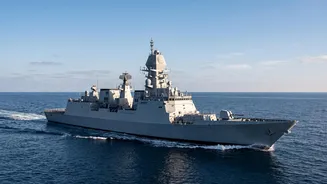
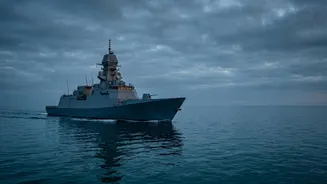
The agreement, officially a Memorandum of Arrangement on Maritime Security Cooperation, is designed to create a seamless partnership between the Indian Navy and the Japan Maritime Self-Defense Force (JMSDF). At its core, the framework focuses on several key areas. A primary component is enhancing Maritime Domain Awareness (MDA) through greater information sharing, which allows both nations to have a clearer picture of activities in the vast oceanic expanse. The pact also institutionalises cooperation in humanitarian assistance, disaster relief, and search and rescue operations. Furthermore, it aims to improve interoperability through more frequent joint exercises, reciprocal naval port visits, and logistical support arrangements, including the potential for reciprocal ship repairs. This is not just a symbolic handshake but a detailed plan for the two navies to work together more effectively and efficiently.
Addressing the 'Shared Challenges'
The term 'shared challenges' is diplomatic language for a range of pressing security concerns. Chief among them is the need to secure vital Sea Lines of Communication (SLOCs). Both India and Japan are major economies heavily dependent on maritime trade and energy imports that transit through the Indian Ocean and the Pacific. Any disruption to these routes could have severe economic consequences. The framework aims to jointly protect these crucial channels from threats, including piracy and other illicit activities. While not explicitly named, the backdrop to this cooperation is the concern over China's increasing military assertiveness and its attempts to enforce unilateral claims in regional waters. The agreement signals a united front in upholding a rules-based maritime order where navigation and overflight rights are respected by all nations.
More Than Just Defence
While security is the immediate focus, the implications of this framework extend into economic and industrial cooperation. A secure and stable maritime environment is a prerequisite for economic prosperity. By safeguarding trade routes, India and Japan are protecting their economic lifelines. The agreement also opens doors for deeper defence-industrial collaboration. The two nations are exploring cooperation in naval shipbuilding and design, a move that could pair Japan's advanced technological prowess with India's growing manufacturing capabilities under the 'Make in India' initiative. This synergy could lead to the co-development of advanced naval assets, enhancing India's domestic defence industry while strengthening the strategic partnership.