



A New Type of Mountain Hazard
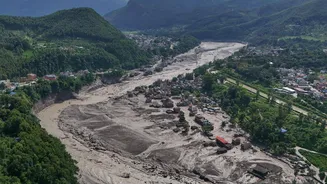
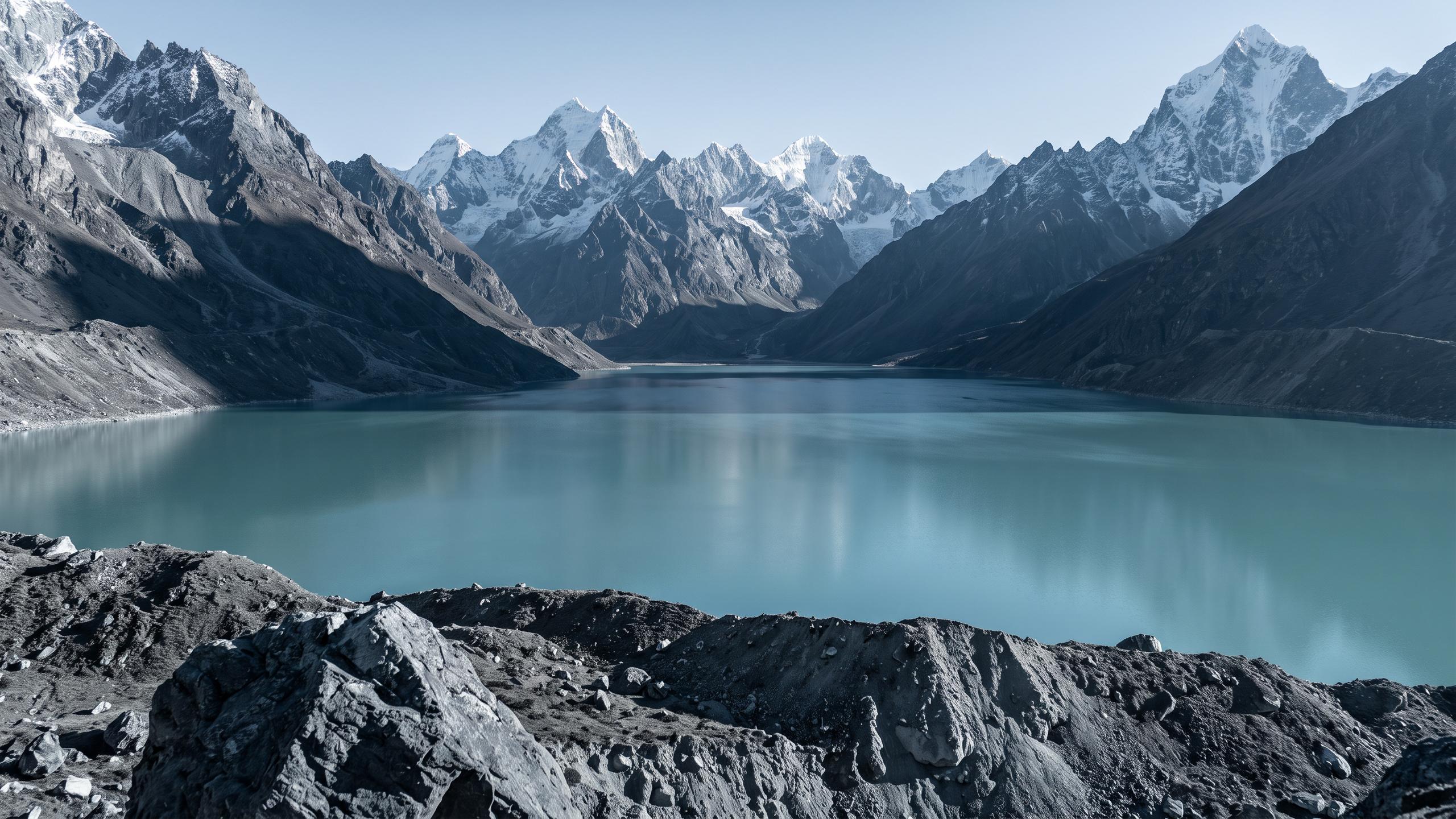
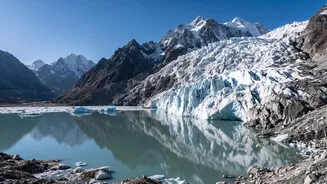
For years, the primary glacier-related fear in the high Himalayas was a Glacial Lake Outburst Flood (GLOF), where a lake formed by melting glaciers breaches its natural dam. But recent catastrophic events, like the flash floods that have struck the Bhotekoshi
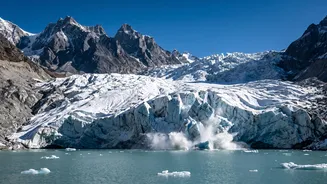
and Seti river valleys, point to a different and perhaps more unpredictable trigger. Preliminary investigations into a deadly flood on August 26, 2026, suggest the cause wasn't a lake outburst but a massive piece of a glacier, along with the rock beneath it, breaking away from a mountainside. This avalanche of rock and ice can pulverize on impact, instantly creating a torrent of water and debris that surges downstream with immense force.
How Stable Ice Becomes a 'Cryogenic Time Bomb'
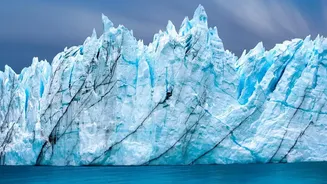
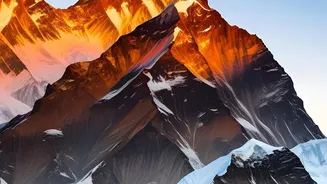
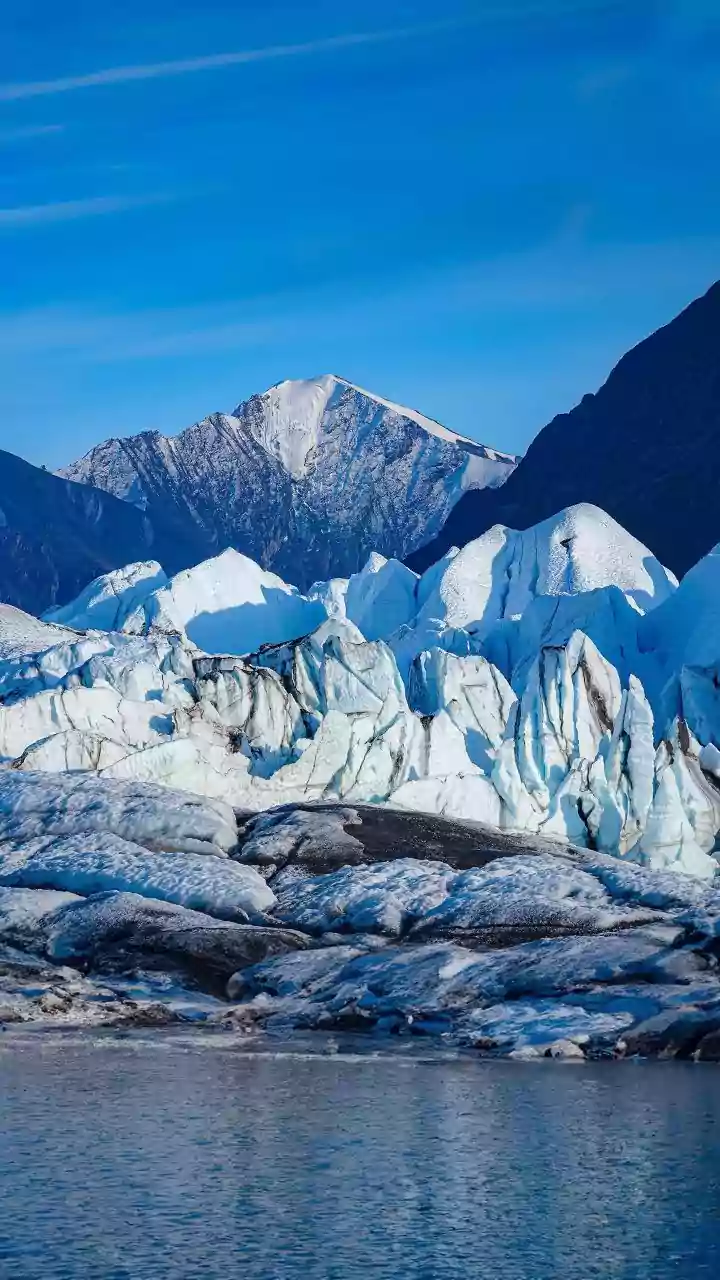
The Himalayas are warming faster than the global average. This sustained heat has a profound effect on the cryosphere—the planet's frozen regions. Glaciers that have been stable for millennia are thinning and retreating at an accelerated pace. More alarmingly, the permafrost, the frozen ground that acts like cement holding mountain slopes together, is starting to thaw. Scientists explain that this warming weakens the bonds between ice and rock. A glacier perched on a steep slope, once firmly anchored, can become dangerously unstable, turning into what some experts call a 'cryogenic time bomb' just waiting for a final push.
The Anatomy of a Collapse
Scientists piecing together recent events describe a chain reaction. First, rising temperatures weaken the ice and the underlying rock. Then, a massive section of a glacier, sometimes taking part of the cliff face with it, breaks off from thousands of feet up. The force of the impact can be so powerful it registers as a seismic event, sometimes mistaken for an earthquake. The falling ice pulverizes, melting almost instantly due to the kinetic energy. This mass of water, rock, and mud can temporarily dam a river, causing water to back up before bursting through with even greater force. In one recent event, river levels rose by 9 meters (nearly 30 feet) in just 30 minutes.
A Shared Threat for the Entire Region
This emerging threat is not just Nepal's problem. The Hindu Kush Himalayan region is the headwater for twelve major river basins that provide fresh water for nearly two billion people in countries including India, Pakistan, Bangladesh, and China. A disaster originating in the transboundary Himalayan region can have rapid and devastating consequences downstream. For India, this is a particularly acute concern, as rivers like the Gandak (known as the Narayani in Nepal) flow directly from these vulnerable zones into densely populated states. Past events, such as the 2021 Rishi Ganga disaster in Uttarakhand, serve as a stark reminder of how quickly a hazard high in the mountains can impact communities far below.
The Challenge of Prediction and Preparedness
Unlike some GLOFs, which can be monitored by observing the growth of glacial lakes, these ice avalanches are incredibly difficult to predict. They can occur suddenly and without obvious triggers like heavy rainfall, defeating most conventional flood warning systems. The accelerated melting of glaciers means new hazards are developing faster than they can be comprehensively studied. Experts are calling for more robust cross-border early warning systems and a shift in infrastructure planning to be more climate-resilient. While engineering solutions like draining dangerous lakes can help, they cannot stop the underlying cause: the rapid warming that is destabilizing the roof of the world.