






What is This New Approach?
At its heart, Kerala's evolving tourism model is built upon the globally acclaimed Responsible Tourism (RT) Mission. This isn't just a policy on paper; it is a fundamental shift in how tourism operates. The strategy aims to make local communities the primary
stakeholders and beneficiaries of the travel industry. Instead of tourists being passive consumers of scenic views, the goal is to create immersive experiences where visitors actively and respectfully engage with the local culture, heritage, and way of life. The core idea is to use tourism as a tool for rural development, poverty reduction, and women's empowerment, ensuring that the economic benefits of tourism stay within the host communities.
Beyond the Backwaters: Experiential Tourism Takes Root
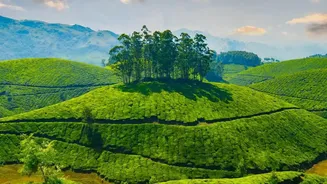
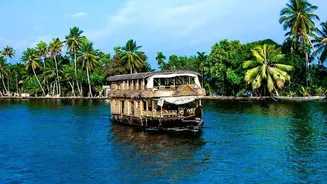
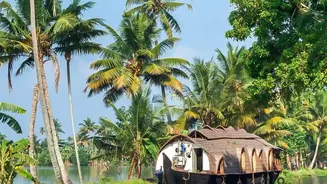
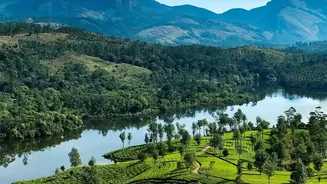
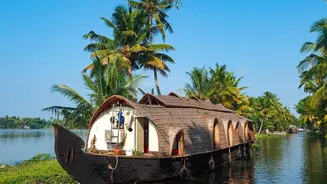
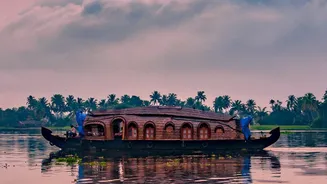
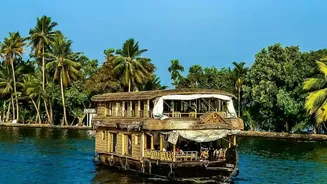
This strategy moves far beyond the traditional circuit of houseboats and hill stations. It introduces diverse, experience-rich activities that give travellers a genuine taste of local life. Initiatives like the award-winning STREET (Sustainable, Tangible, Responsible, Experiential, Ethnic, Tourism) project are creating theme-based travel routes in villages, focusing on everything from local cuisine and culture to art and agriculture. Another key component is the Agri-Tourism Network, which plans to link hundreds of farm tourism units and thousands of homestead farms with popular destinations. This allows tourists to visit organic farms, participate in agricultural activities like planting or harvesting, and learn about sustainable farming practices firsthand, directly benefiting the farmers.
Empowering Communities, One Village at a Time
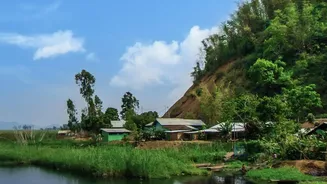
The most significant impact of this strategy is on local livelihoods. By decentralising tourism, the state is creating new economic opportunities in rural areas. Community-based tourism projects, some spearheaded by the Kudumbashree women's empowerment and poverty eradication mission, enable locals to become service providers and experience curators. They offer homestays, prepare traditional meals, act as guides, and sell locally made handicrafts directly to tourists. This model ensures that revenue generated from tourism flows directly into the hands of families, artisans, and small-scale entrepreneurs. For instance, a pilot project in Kuttanad, a region affected by floods, demonstrated that community-owned tourism could be a viable and resilient livelihood model, generating lakhs in direct income for local families.
Sustainability as a Foundational Pillar
This community-centric approach is intrinsically linked to environmental and cultural preservation. By spreading tourists across a wider area and offering diversified experiences, the model reduces the pressure of over-tourism on popular hotspots. The emphasis is on what is known as the 'triple bottom line'—ensuring that all tourism activities are economically, socially, and environmentally responsible. Initiatives promote the use of eco-friendly products, waste management, and the conservation of natural resources like mangrove forests. Furthermore, by integrating traditional art forms, rituals, and heritage into the visitor experience, the strategy helps preserve Kerala’s unique cultural fabric for future generations rather than commodifying it.
A Replicable Model for a New Era of Travel
Kerala's forward-thinking strategy is more than just a local initiative; it serves as a powerful blueprint for other regions in India and across the world. As modern travellers increasingly seek authentic, meaningful, and ethical travel experiences, this model of inclusive growth demonstrates that tourism can be a force for good. It proves that it is possible to build a thriving tourism economy that not only delights visitors but also respects and uplifts host communities, making destinations better places to live in as well as to visit. The success of projects like the Responsible Tourism Mission has already won international accolades, positioning Kerala as a global leader in sustainable tourism.