







An Unprecedented Tech Gold Rush
According to the latest forecast from technology research firm Gartner, the global Information Technology sector is bracing for an unprecedented expansion. The projected $6.37 trillion in spending for 2026 is a significant jump, driven by what one analyst
calls "the largest infrastructure project ever attempted by humanity". This isn't just about buying more laptops or software licenses. The massive revision in the forecast points to a fundamental shift in where companies are directing their technology budgets: away from traditional IT and towards building the powerful foundation required for enterprise-grade AI. This shift is turning into a veritable gold rush, with businesses across every sector racing to secure the computational power they need to stay competitive.
What Exactly Is 'AI Infrastructure'?
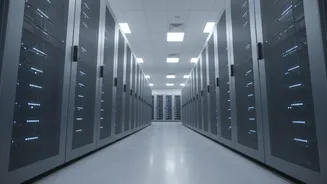
When we talk about AI infrastructure, we're referring to the highly specialised hardware and cloud systems that power artificial intelligence, especially demanding generative AI. This includes everything from AI-optimised servers packed with powerful processors, massive next-generation data centres, and the cloud-based platforms that provide 'Infrastructure as a Service' (IaaS). According to Gartner's forecast, the Data Center Systems segment is expected to see the most explosive growth, jumping by 62.5% in 2026 to reach $822 billion. Spending on IaaS is also projected to climb significantly, growing 29.3% to hit $287 billion. This spending is essential because running complex AI models requires a level of computational power that far exceeds what most standard corporate data centres can provide.
From Experiment to Business Essential
For years, AI was confined to research labs and pilot projects. Now, it's being woven into the fabric of daily business operations. Companies are moving beyond simply experimenting with AI to deploying it at scale for mission-critical functions like customer service automation, software development, fraud detection, and marketing personalisation. This transition from exploration to operationalisation is forcing a change in investment priorities. Enterprises are discovering that while a chatbot prototype is one thing, running a reliable, secure, and fast AI service for millions of customers requires an entirely different class of backend infrastructure. The budget allocations are now reflecting this reality, as companies invest heavily to ensure their AI initiatives are robust and scalable.
The Ripple Effect Across IT Spending
The boom in AI infrastructure spending is creating a powerful ripple effect across other technology sectors. The Software market, for instance, is projected to grow 15.5% to $1.47 trillion as demand for AI-enabled applications soars. Similarly, the IT Services sector will see continued growth, reaching $1.57 trillion, as companies hire consultants and specialists to help design and implement their AI strategies. Even spending on devices is expected to climb nearly 10% to $868 billion. While AI infrastructure is the star of the show, its gravity is pulling the entire IT spending ecosystem upward, rewarding vendors who can supply the AI-ready hardware, platforms, and expertise the market now demands.
India's Opportunity in the AI Boom
This global trend has significant implications for India. The country's own IT spending is projected to grow by 10.6% to reach over $176 billion in 2026, with data centres and software being key drivers. Indian enterprises are rapidly adopting cloud and digital technologies, and the demand for AI infrastructure is expected to fuel major new investments in data centres across the country. This creates a massive opportunity for India's world-class IT services and consulting firms, which are poised to help global and domestic clients navigate their AI transitions. Furthermore, the rapid expansion of global capability centres (GCCs) in India, combined with a vast pool of skilled talent, positions the nation to become a critical hub in the global AI-powered economy.