





The Unsung Hero of the Pantry
Rice flour, made from finely milled rice, is a cornerstone of many cuisines across Asia, and its popularity is growing worldwide. As a naturally gluten-free alternative to wheat flour, it's a fantastic option for those with dietary sensitivities. But
its real magic lies in its incredible versatility. Unlike wheat flour, rice flour has a neutral flavour that allows the other ingredients in a dish to shine. This quality makes it perfect for everything from noodles and pancakes to cakes and sweet dumplings, where texture is paramount.
The Simple Science of Texture
The secret to rice flour’s dual ability to produce both crispiness and softness lies in its starch composition. All rice contains two types of starch: amylose and amylopectin. The ratio of these two starches determines the texture of the cooked product. Flours high in amylose, a long, straight starch molecule, tend to cook up fluffy and separate, creating a light, crisp texture. This is because amylose doesn’t gelatinise as much during cooking. Conversely, flours high in amylopectin, a highly branched starch molecule, become sticky and elastic when cooked, resulting in a soft, chewy feel.
Not All Rice Flours Are Created Equal
To harness its full potential, it is crucial to understand the different types of rice flour. The three most common varieties are white, brown, and glutinous (or sweet) rice flour. White rice flour, made from polished white rice, has a fine texture and is key for achieving crispiness. Brown rice flour includes the rice bran, giving it a nuttier flavour, more fibre, and a denser texture, which is great for heartier baked goods. Then there's glutinous rice flour, also called sweet rice flour or 'mochiko'. Despite its name, it contains no gluten. The term 'glutinous' refers to its sticky, glue-like quality when cooked, which comes from its high amylopectin content. This is the flour you need for distinctly chewy desserts.
Achieving the Perfect Crisp
For a texture that is light, airy, and wonderfully crisp, regular white rice flour is your go-to ingredient. Because it absorbs less oil than wheat flour, it is ideal for batters and coatings. This results in a fried surface that is crispy and dry rather than heavy and greasy. Think of the delicate, shattering crunch of Japanese tempura or the crispy coating on fried chicken. You can simply dredge ingredients like tofu or chicken in seasoned rice flour before pan-frying for a thin, crisp crust. It also works wonders as a component in batters for savoury crepes or certain types of crispy dosas.
Mastering the Soft and Chewy
When a soft, bouncy, and chewy texture is what you crave, glutinous rice flour is the answer. Its high amylopectin content is responsible for the signature stretchy quality of many beloved Asian desserts. This flour is the star ingredient in Japanese mochi, Filipino palitaw, and Chinese sweet rice cakes (nian gao). The flour creates a dough that is soft and pliable, which can be steamed, boiled, or baked into delightfully tender treats. A chocolate cake made with glutinous rice flour, for example, will have a uniquely soft, moist centre and a pleasant chew that sets it apart from traditional cakes.
The Versatility of Sweet Pancakes
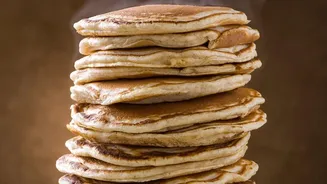
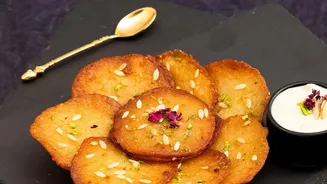
Sweet pancakes perfectly illustrate the textural range of rice flour. In India, you can find a variety of pancakes that leverage its unique properties. Goan rice pancakes, known as chittap, use rice flour to create a rich, spongy, and tender texture. Meanwhile, Pua, another style of Indian pancake, can be pan-fried with rice flour for a delicious result. South Indian appam, a type of pancake made with fermented rice batter, is famous for its soft, pillowy centre and lacey, crisp edges—a perfect marriage of both textures in one dish. By simply choosing the right type of rice flour, you can control whether your pancakes turn out fluffy and soft or thin and crisp.