





From Cockpit to Paycheck
Every empire has a beginning. For Tom Cruise, the launchpad was the 1980s. After turning heads in films like Risky Business, his role as fighter pilot Maverick in 1986's Top Gun solidified his status as a certified superstar. For that iconic part, he earned
a cool $2 million. While a significant figure for the time, it was a standard actor's salary. The studio took the risk, and the studio reaped the biggest rewards. Throughout the late '80s and early '90s, Cruise became one of Hollywood's most bankable leads, with his paychecks growing steadily. Yet, the real financial turning point wasn't just about bigger salaries; it was about fundamentally changing the rules of the game.
The Mission: Impossible Game-Changer
In 1996, Cruise took on Mission: Impossible, but he wasn't just the star. Through his newly formed company, Cruise/Wagner Productions, he was also the producer. This dual role gave him the leverage to negotiate a deal that was almost unheard of: a percentage of the 'first-dollar gross'. In simple terms, this meant he got a cut of the film's box office revenue from the very first ticket sold, before the studio even recouped its production and marketing costs. For the first Mission: Impossible, this deal netted him a reported $70 million. It was a masterstroke that set the stage for some of the biggest paydays in movie history, with Cruise reportedly earning over $75 million for Mission: Impossible 2 and an incredible $100 million for War of the Worlds.
The Producer Powerhouse
Becoming a producer wasn't just a vanity credit; it was the engine of his financial success. By having a production company, Cruise gained more creative control and, more importantly, a direct stake in the profits. He was no longer just an actor for hire but a partner in the business. This shift allowed him to maintain his 'first-dollar gross' status for decades, a privilege reserved for only a handful of Hollywood's most powerful figures. While other stars saw their earning power fluctuate, Cruise built a resilient financial model. His films under the Cruise/Wagner banner have generated billions worldwide, ensuring his fortune wasn't just dependent on his on-screen charm but also on his off-screen business acumen.
Maverick's Billion-Dollar Payday
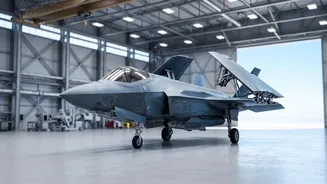
Decades after his first flight, Cruise proved his formula was more potent than ever with Top Gun: Maverick (2022). The film soared past $1.4 billion at the global box office, becoming the highest-grossing movie of his entire career. For the sequel, he took a relatively modest upfront salary of around $13 million. The real prize was his backend deal, which entitled him to 10-20% of the first-dollar gross. This arrangement resulted in a colossal payday estimated to be well over $100 million, making it one of the largest single-film earnings for an actor in history. It was definitive proof that even in an era dominated by superhero franchises, the power of a true movie star, combined with a killer deal, remains unmatched.
The Longevity Formula
The headline's mention of a "Digger" might seem obscure, but it perfectly captures the essence of Cruise's success: a relentless, dig-deep work ethic. His fortune wasn't built on one or two lucky hits but on four decades of consistency. He is famously committed to performing his own death-defying stunts, from climbing the Burj Khalifa in Mission: Impossible – Ghost Protocol to hanging off a plane in Rogue Nation. This dedication creates a unique brand of authenticity that audiences connect with, ensuring they show up for each new installment. He has meticulously cultivated his image as the ultimate action hero who literally risks it all for the audience's entertainment. This dedication, combined with his unparalleled deal-making, is the core of how he not only built but has sustained his $600 million empire.