






The Post-Monsoon Opportunity
September marks a critical transition period in the Indian gardening calendar. After months of relentless rain, the soil is saturated, and many plants are either overgrown or struggling with fungal issues. However, this month also brings milder temperatures
and a welcome return of sunshine, creating the perfect conditions to prepare for the cool-season crops that will thrive from autumn through winter. This is the time to clear away monsoon damage, rejuvenate your soil, and sow the seeds for a harvest that will carry you through the cooler months. The residual moisture in the ground means less watering is needed initially, giving seeds a fantastic head start.
Soil Preparation is Key
Monsoon rains can compact soil, stripping it of nutrients and leaving it waterlogged. Your first task in September is to help your garden breathe again. Gently loosen the topsoil with a garden fork, being careful not to disturb the roots of existing plants. This aeration is vital for root health. Now is the perfect time to replenish lost nutrients. Work in a generous amount of organic matter like compost, leaf mould, or well-rotted manure. This will not only feed your plants but also improve the soil's structure and drainage, preventing future waterlogging. For potted plants, ensure drainage holes are clear and consider adding a layer of fresh potting mix with cocopeat to improve texture.
Sow Your Winter Vegetables
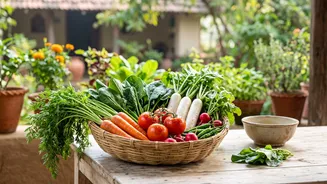
September is the ideal time to sow a wide variety of cool-season vegetables. Leafy greens, in particular, thrive in the milder weather. Consider planting spinach (palak), coriander (dhaniya), fenugreek (methi), and various types of lettuce. These are relatively fast-growing and you can often start harvesting in just over a month. It is also the perfect window for starting root vegetables. Sow seeds for carrots, radishes, turnips, and beetroot directly into your prepared beds. For a heartier winter harvest, September is also the time to plant seedlings for cabbage, cauliflower, broccoli, and peas. Many of these can be started in seed trays and transplanted later.
Plan for a Riot of Colour
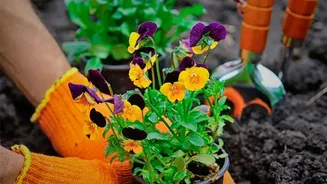
A winter garden doesn't have to be devoid of colour. September is the prime month for sowing winter-flowering annuals that will brighten up even the greyest days. Seeds for marigolds, pansies, petunias, calendula, dianthus, and sweet peas can all be sown now. Many of these are best started in seed trays for transplanting once the seedlings are strong enough. Marigolds are not only festive but also act as a natural pest repellent, making them a great companion plant in your vegetable patch. Petunias are perfect for hanging baskets, while pansies provide cheerful ground cover in beds and pots. Sowing these now ensures they establish strong roots before the cooler weather sets in, leading to a profusion of blooms throughout winter.
Pruning and Pest Patrol
The rampant growth during the monsoon may have left many of your perennial plants and shrubs looking wild and overgrown. September is a good time for some judicious pruning. Trimming back excess growth not only reshapes the plants but also improves air circulation, which is crucial for preventing fungal diseases that thrive in post-monsoon humidity. Remove any dead or diseased branches and foliage. The damp conditions are also ideal for pests like slugs and snails, as well as fungal issues like mildew. Be vigilant and inspect your plants regularly. A preventative spray of neem oil can help manage common pests organically.