






A Clear Statement, Not a Shutdown
Recent statements from ISRO Chairman V Narayanan have put to rest speculation about the agency's future. Addressing concerns from employees and the public, he confirmed that ISRO will remain a government organisation, funded by public investment. This
is not a move to shut the door on private companies. Instead, it’s a strategic clarification. The core message is that while India’s space economy must grow, ISRO itself is not for sale. The announcement came in response to genuine concerns within the organisation after comments suggested a shift of core functions to private entities. The clarification draws a crucial line: encouraging private participation in the space sector is not the same as privatising the nation's premier space agency.
The New Division of Labour in Space
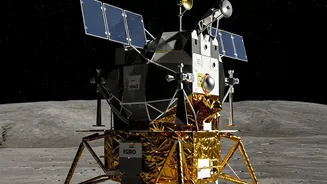
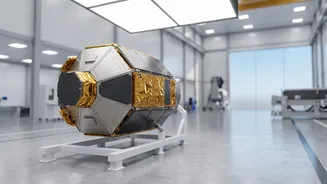
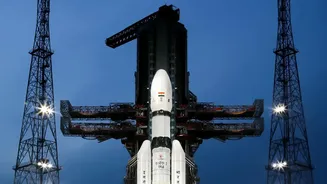
The government's vision, outlined in the Indian Space Policy 2023, creates a new division of responsibilities. ISRO is set to transition from its current role as an all-in-one designer, manufacturer, and operator to that of a guide and research leader. The plan is for ISRO to focus its immense talent on what it does best: pioneering research, deep-space exploration missions like Chandrayaan and missions to Mars and Venus, human spaceflight programmes such as Gaganyaan, and developing next-generation technologies. Meanwhile, routine and mature operations, such as the manufacturing of workhorse rockets like the PSLV and the production of standard satellites, will increasingly be handled by a growing ecosystem of private companies.
Enter IN-SPACe: The Great Enabler
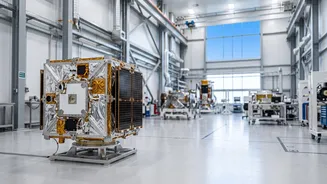
The key to this new model is the Indian National Space Promotion and Authorisation Centre (IN-SPACe). Established in 2020, IN-SPACe acts as a single-window agency to facilitate, authorise, and supervise the activities of non-governmental entities (NGEs) in the space sector. It is the official bridge between ISRO's expertise and the private industry's ambition. This body allows private firms to use ISRO’s world-class facilities and supports the transfer of mature technologies, enabling them to build and launch their own systems. This structure ensures that while ISRO guides from the centre, private players have a clear and regulated path to contribute, innovate, and compete on a global scale.
Why This Model Makes Sense for India
This dual approach is designed to massively expand India's share of the global space economy. The goal is to grow from an estimated $8.4 billion today to over $40 billion by 2033. ISRO leadership acknowledges that this scale of growth cannot be achieved with government funding alone; it requires private capital and industrial capacity. The country has an annual requirement of around 50 launches, a target that can only be met by involving the private sector. By offloading routine manufacturing, ISRO frees up its scientific manpower to tackle the next frontiers, such as establishing the Bharatiya Antariksh Station by 2035 and a crewed lunar mission by 2040. This model allows ISRO to function as a mentor, nurturing an ecosystem of over 450 space startups, up from just a handful in 2020.