




The Irresistible Call of the Street
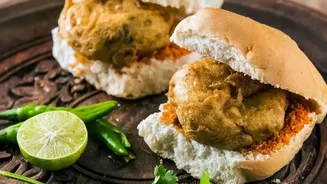
When the skies turn grey, the streets of India come alive with the sound of sizzling oil. This is the domain of the pakora, the undisputed king of monsoon snacks. Whether it's made from sliced onion (kanda bhaji), potato, or paneer, these gram-flour fritters
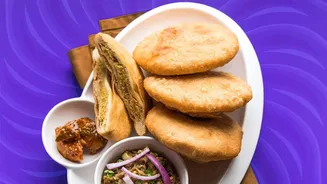
offer the perfect crunch to counter the dampness in the air. But why this craving for fried food? It's partly instinctual. Cooler temperatures make our bodies seek warm, energy-dense foods. Furthermore, the lack of sunlight can dip our serotonin levels, and the holy trinity of fat, salt, and carbs in a samosa or kachori provides a quick, satisfying mood lift. Then there's the iconic bhutta, or roasted corn on the cob. The sight of a vendor fanning charcoal embers, charring the corn, and rubbing it with lemon, salt, and chilli is a quintessential monsoon spectacle.
The Kettle's Song
No monsoon snack is complete without its partner: a steaming cup of chai. This isn't just any tea. Monsoon demands a robust masala chai, brewed with ginger, cardamom, cloves, and cinnamon. The warmth of the spices provides a comforting heat, a perfect antidote to the damp chill. The pairing is a ritual, a cultural institution celebrated in homes, offices, and roadside stalls across the country. The simple act of sipping hot tea while watching the rain fall is a shared comfort that connects millions. Beyond chai, other hot beverages and soups also find their place. A spicy, peppery tomato rasam in the South or a hearty Thukpa in the hills can be just as comforting, clearing the sinuses and warming you from the inside out.
Retreating to the Home Kitchen
While street food offers instant gratification, the heart of monsoon cooking lies in the home. When the rains are relentless, thoughts turn to more substantial, nourishing meals. At the forefront is khichdi, the ultimate comfort food. Made with rice and lentils, this simple, easily digestible dish is a soothing balm for the soul, often served with a dollop of ghee, curd, or a tangy pickle. This is also the season for wholesome flatbreads made from seasonal flours. Punjab's Makki ki Roti with Sarson ka Saag, traditionally a winter dish, finds favour on cool monsoon evenings. In Maharashtra, you might find the multi-grain thalipeeth, a savoury pancake packed with flavour and nutrition.
A Journey Through Regional Classics
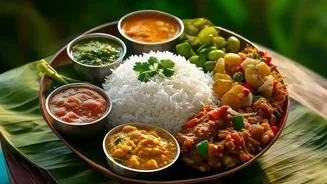
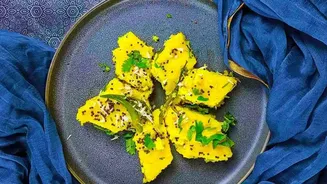
The monsoon menu varies dramatically as you travel across India, reflecting local produce and culinary traditions. In Bengal, the arrival of the rains means it's time for Ilish Maach (Hilsa fish), often steamed or cooked in a pungent mustard gravy. In coastal Karnataka, a unique delicacy called Patrode is prepared. It involves smearing colocasia leaves with a spiced rice paste, which are then rolled, steamed, and sometimes fried. Odisha celebrates with Pakhala Bhata, a fermented rice dish that helps keep the body cool in the humid weather, served with fried fish or vegetables. In Gujarat, steamed snacks like Methi na Muthiya (fenugreek dumplings) and Handvo (savoury lentil cake) are popular, being light on the stomach. These dishes are a testament to age-old wisdom, utilising seasonal ingredients to create meals perfectly suited to the climate.
A Sweet and Sticky Finale
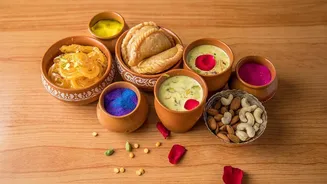
A monsoon feast isn't complete without a touch of sweetness. Hot, syrupy jalebis, with their crispy, tangled coils, are a nationwide favourite, often enjoyed straight from the frying pan. Similarly, warm Gulab Jamun provides a comforting end to a spicy meal. In Rajasthan, the monsoon is associated with Ghevar, a disc-shaped, honeycomb-like sweet made from flour and soaked in sugar syrup. In Punjab, the combination of warm, crisp malpua (sweet pancakes) topped with cool kheer (rice pudding) is a seasonal indulgence. These sweets are not just about taste; they provide a final burst of energy and warmth, rounding out the culinary experience of the rainy season.