



A 'Once-in-a-Century' Discovery
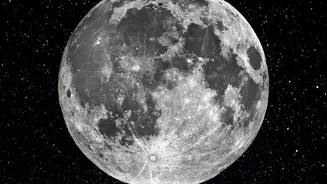
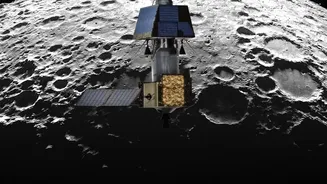
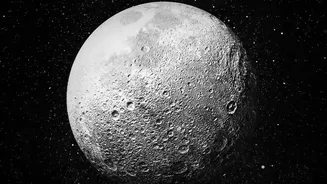
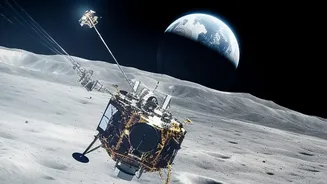
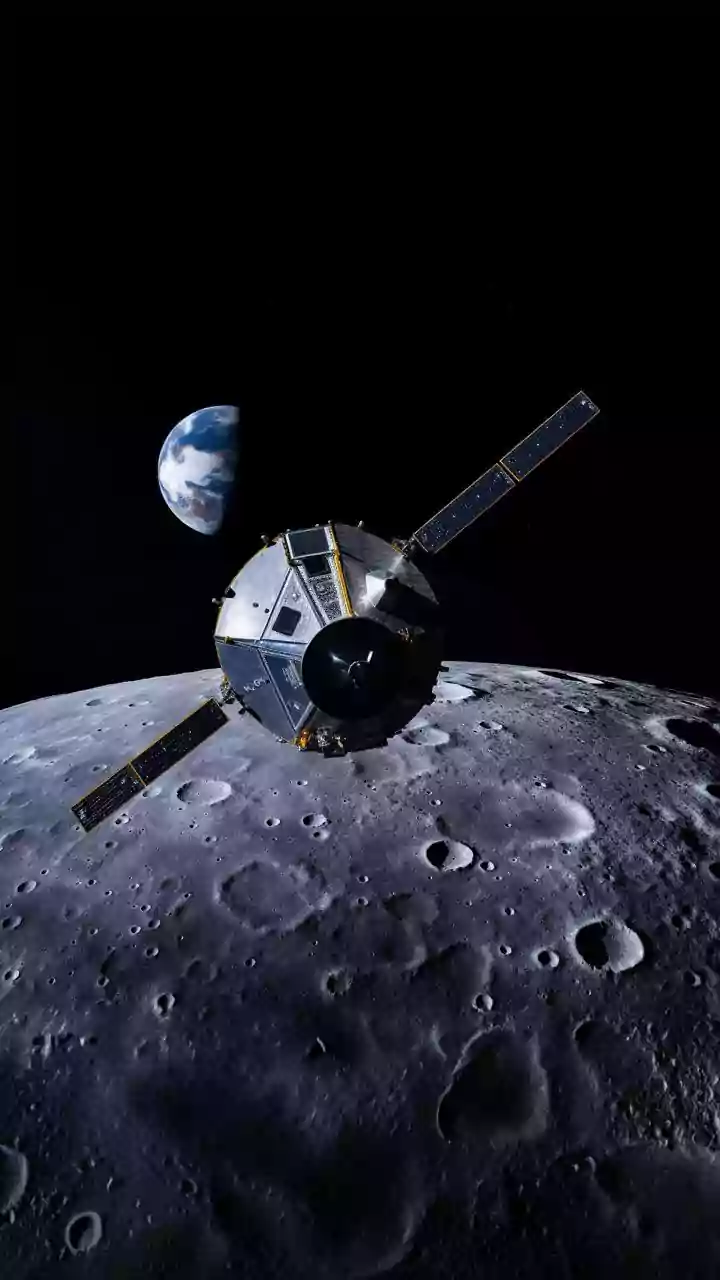
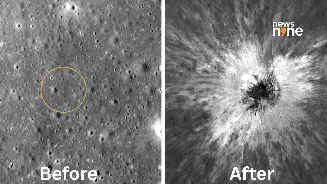
Scientists have confirmed the discovery of a new crater on the Moon, measuring an impressive 43 metres deep and about 222 metres across—larger than the Colosseum in Rome. This significant finding was made by NASA's Lunar Reconnaissance Orbiter, a spacecraft
that has been mapping the Moon since 2009. The crater, officially named McGetchin, is considered the largest newly formed impact crater identified to date. An event of this magnitude is estimated to occur only about once every century, making this an exceptionally rare and valuable observation for the scientific community. The impact was caused by an object, likely an asteroid or comet fragment the size of a three- to six-story building, that struck the Moon sometime between April and May of 2024. The event itself went undetected by telescopes at the time and was only discovered later through careful analysis of LRO's data.
The Celestial Detective: How LRO Found It
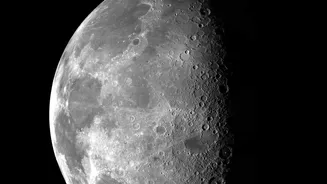
The discovery began not with a bang, but with a routine data check. Robert Wagner, an image-processing specialist working with LROC (Lunar Reconnaissance Orbiter Camera) data, noticed an unusual bright spot surrounded by a dark halo on a lunar map. This pattern suggested that the surface material had been recently disturbed. To confirm this, the LRO team employed a powerful technique: comparing 'before and after' images. By contrasting new images with photos of the same area taken in previous years, they could definitively identify the new feature. The LRO is perfectly suited for this work, as its high-resolution Narrow-Angle Cameras (NACs) can spot features as small as half a metre across. After the initial discovery in wide-angle images in 2025, the team used the NACs to get a much more detailed look, confirming the crater's size, shape, and the vast field of ejected debris surrounding it.
More Than Just a Hole
A new crater is far more than just a scar on the surface; it's a fresh scientific laboratory. The impact that created McGetchin crater blasted material across the lunar landscape, offering clues about the cratering process itself. Furthermore, instruments aboard the LRO detected a large 'cold spot' extending for several kilometres around the crater. During the lunar night, this area is significantly colder than its surroundings, likely because the impact violently churned up the lunar soil, or regolith, making it 'fluffier' and less able to hold onto heat. This provides invaluable data on how impacts physically alter the lunar environment, a critical consideration for planning future missions. Understanding these changes helps engineers design rovers, landers, and potential habitats that can safely operate on the Moon's surface.
A Constantly Changing Moon
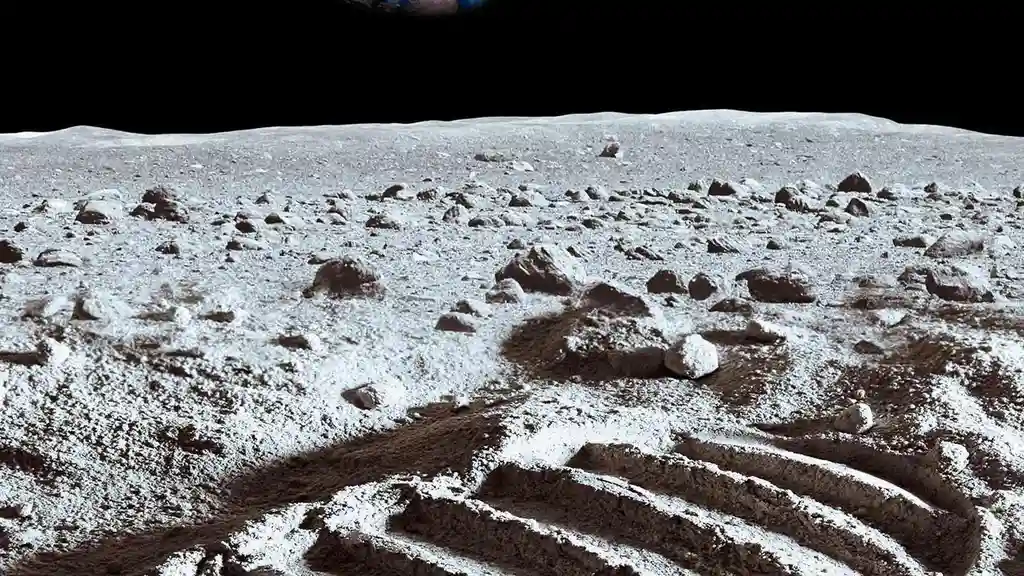
Unlike Earth, the Moon has no significant atmosphere to burn up incoming space rocks. This means it is constantly being bombarded by everything from microscopic dust particles to larger asteroids. In its 17 years of operation, the LRO has already identified over 1,000 new craters and countless other surface changes. Discoveries like the McGetchin crater show that the lunar surface is being 'gardened' or overturned much faster than previously thought. Scientists now estimate the top layer of lunar soil is churned every 80,000 years, a process that would erase historical markers like the Apollo astronauts' footprints over time. This constant reshaping underscores the importance of continuous monitoring, which is relevant for nations like India with active lunar exploration programs such as Chandrayaan. These global efforts to study the Moon contribute to a shared understanding of the risks and opportunities for future exploration.