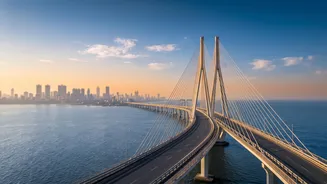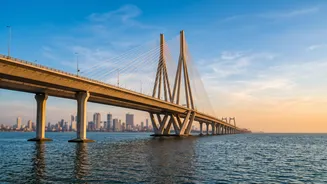







Mumbai Makes its Global Debut
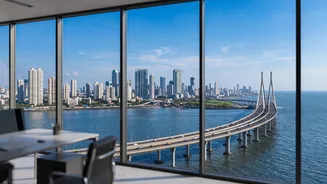
Mumbai has become the sole Indian city to feature in the prestigious 2026 'Work from Anywhere Index' compiled by the International Workplace Group (IWG). The city made an impressive debut, scoring 77 points and notably outranking major global hubs like
London and Miami. The annual index evaluates cities on a combination of work-friendly infrastructure and lifestyle appeal. While destinations like Bangkok, Tokyo, and Barcelona clinched the top spots, Mumbai's entry places it firmly on the map for a new generation of professionals who are blending travel with their careers. This recognition isn't just about a single ranking; it's a nod to the city's evolving identity in the post-pandemic world of work.
The Engine of Connectivity and Commerce
At its core, Mumbai's appeal lies in its robust infrastructure. As India's financial capital, it offers a density of business opportunities and professional networks that is hard to match. The city scored particularly well in the IWG index for its affordable transport and the wide availability of co-working and flexible workspaces. The rise of flexible work policies has fueled a boom in this sector, with India's flexible office market projected to grow significantly. For a remote worker, this means easy access to reliable, professional environments when needed, combined with a vast local transit network of trains and buses that makes navigating the sprawling metropolis manageable and affordable.
Where Work Ends and Life Begins
A workcation is as much about the 'cation' as it is about the work, and this is where Mumbai truly shines. The city offers an unparalleled cultural and culinary landscape. A professional can finish a day of meetings and then unwind with a stroll along Marine Drive, explore the historic lanes of Colaba, or dive into a vibrant food scene that ranges from street-side vada pav to world-class fine dining. The IWG index considered factors like culture and food, which are integral to Mumbai's identity. The ability to seamlessly transition from a productive workday to an enriching evening of art, music, or theatre is a key reason for its growing allure.
The Broader Work-Life Shift in India
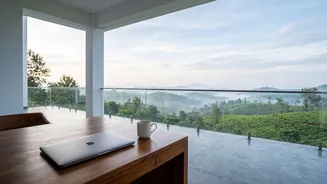
Mumbai's ranking is a symptom of a much larger trend. Across India, the concept of the workplace has been fundamentally redefined. Improved internet connectivity, even in non-metro areas, has made remote work more viable than ever. Young professionals, in particular, are increasingly seeking to escape urban burnout and find a better work-life balance by taking their jobs on the road. This has given rise to workation hotspots across the country, from the beaches of Goa to the mountains of Himachal Pradesh. Companies are also adapting, with over half of employers in one survey now offering a 'work from anywhere' policy. This flexibility is no longer a perk but an expectation, allowing employees to extend holidays and explore new environments without sacrificing productivity.
Challenges and the Road Ahead
Despite its strong showing, the report also highlighted areas for improvement for Mumbai. The city received relatively lower scores for broadband speed, quality of life, and a 'happiness index'. These are critical points for a city aspiring to be a top global destination. While the energy and the opportunity are undeniable, addressing issues like internet reliability and the high cost of living will be crucial to cementing its position. For now, however, its inclusion on the list is a powerful statement. It confirms that Indian cities have the potential to compete on a global stage, offering a unique and compelling blend of work, culture, and adventure.