






An Unprecedented Fire Season
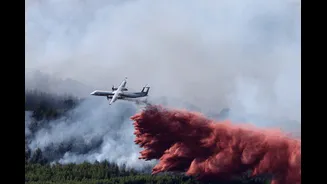
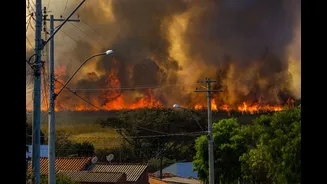
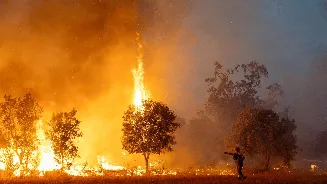
In recent weeks, southwestern France, particularly the Gironde region near Bordeaux, has been battling some of the largest wildfires in its modern history. Fueled by record-breaking heat and severe drought, these infernos have scorched tens of thousands
of hectares of forest, forcing the evacuation of hundreds of thousands of residents and tourists. While firefighters have managed to contain some of the blazes, the scale and intensity have been described as historic. Officials confirmed these events have led to the largest civilian evacuations in the country's peacetime history, as flames consumed homes and threatened critical infrastructure. In a bizarre and alarming twist, the fires also unearthed and detonated unexploded World War II ammunition that had been buried for decades.
When Fire Becomes the Weather
The most alarming development is that these massive fires are now creating their own weather. This happens when the immense heat from a blaze, often called a mega-fire, creates a powerful column of rising hot air. This updraft sucks in cooler air from the surrounding area with tremendous force, generating strong, erratic winds that can change direction in an instant. In the most extreme cases, the rising plume of smoke, ash, and water vapor can form a pyrocumulonimbus cloud—literally a thunderstorm born from fire. These fire-breathing clouds can produce their own lightning, which can then spark new fires miles away from the original blaze, as well as violent downdrafts that spread embers and accelerate the fire's spread on the ground.
A Nightmare for Firefighters
For the crews on the ground, a fire that generates its own wind is a worst-case scenario. Conventional wildfire fighting relies on predicting a fire's path based on existing wind and terrain. When the fire itself becomes the source of unpredictable, storm-force gusts, all bets are off. Containment lines that took days to build can be breached in minutes. Firefighters can become trapped as the blaze suddenly changes direction, a situation known as a 'burnover'. French officials have confirmed the formation of a pyrocumulonimbus cloud for the first time on record in the country, calling it a gravely serious milestone. This phenomenon, more common in the intense fire seasons of Australia and North America, signals a dangerous escalation in the nature of European wildfires.
The New Reality of a Warmer World
Scientists and fire experts agree that this extreme fire behavior is a direct consequence of a warming climate. Prolonged heatwaves and persistent drought create drier fuels, allowing fires to burn hotter and grow larger than ever before. Europe is the world's fastest-warming continent, making it increasingly susceptible to these types of mega-fires. The ingredients for fire-generated weather are simple: intense heat and an unstable atmosphere. As global temperatures continue to rise, these conditions are becoming more common. What was once a rare phenomenon is now an emerging and deadly threat that fire services across the globe must prepare for, transforming the battle against wildfires into a fight against the very weather the fires create.