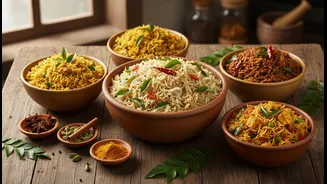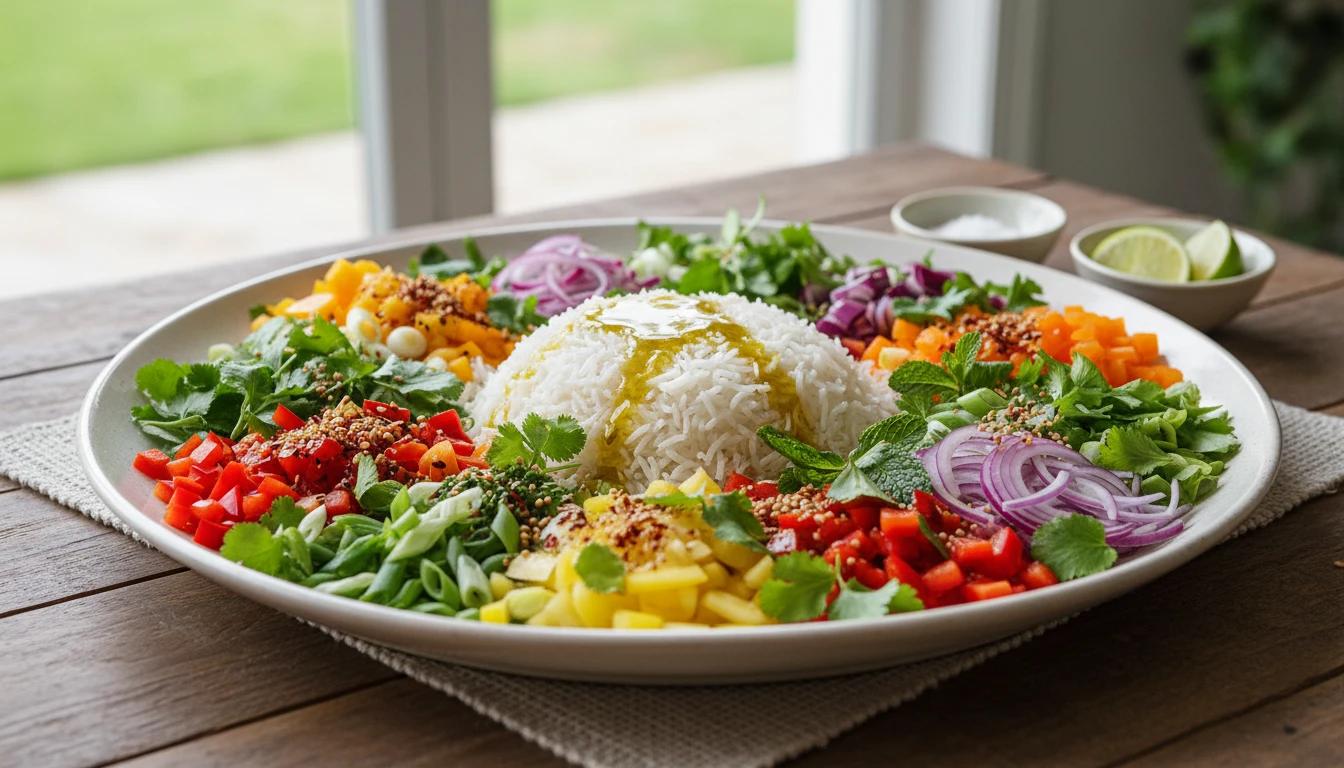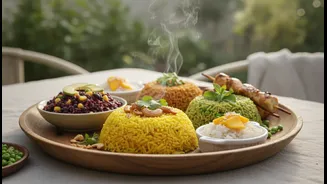









The Aromatic Foundation
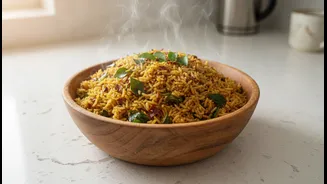
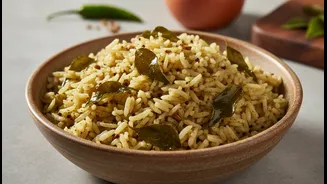
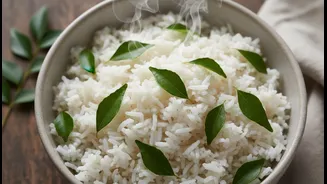
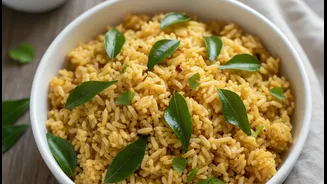
Before exploring its different personalities, it’s important to appreciate the base: karuveppilai sadam, or curry leaf rice. This dish is more than just rice tinted green; it's a fragrant celebration of one of South India’s most essential herbs. Typically,
fresh curry leaves are roasted and ground, often with lentils like urad dal and chana dal, dried red chillies, and other spices, to create a flavorful powder or 'podi'. This aromatic mixture is then tossed with cooked rice, which has been cooled to ensure each grain remains separate and perfectly coated. The process often starts with a tempering of mustard seeds, which pop in hot oil, releasing their pungent aroma and setting the stage for the deep, complex, and slightly pine-like flavor of the curry leaves to shine through. This foundational dish is earthy, savory, and a staple in many households, especially for a quick, nutritious, and satisfying meal.
The Earthy Crunch: Peanut Personality
The first personality is defined by the humble peanut, which introduces a delightful textural contrast and a rich, nutty depth. When peanuts are added to curry leaf rice, they are typically roasted alongside the tempering spices. This not only enhances their own flavor but also allows their oil to infuse the entire dish. The result is a rice that’s not just aromatic but also boasts a satisfying crunch in every bite. Some recipes call for a coarse powder made from roasted peanuts, dals, and chillies, which is then mixed into the rice, creating a more integrated nutty flavor throughout. This version is hearty and robust, with an earthiness that grounds the lighter notes of the curry leaves. The combination of soft rice, crunchy peanuts, and fragrant spices makes it an ideal lunchbox item, as it tastes wonderful both warm and at room temperature. It’s a complete meal in itself, providing texture, protein, and a world of flavor.
The Creamy Dream: Coconut Personality
Next, we meet the mellow and fragrant personality brought to life by coconut. In this variation, freshly grated or desiccated coconut is gently sautéed with the tempering spices before being mixed with the rice. This process toasts the coconut slightly, amplifying its naturally sweet, nutty aroma and adding a subtle creaminess that beautifully balances the bold curry leaf flavor. Some preparations even cook the rice in coconut milk, infusing every grain with a rich, tropical fragrance from the very start. The coconut softens the flavor profile, making it less intense and more comforting. It adds a gentle sweetness and a soft, pleasing texture that contrasts with the occasional crunch from lentils or cashews that are often included in the tempering. This version is often served during festivals and special occasions, offering a milder, yet deeply flavorful, experience that pairs wonderfully with spicier side dishes.
The Zesty Spark: Lemon Personality
Finally, a splash of lemon juice introduces a bright, zesty personality that lifts the entire dish. Known as chitranna in some regions, lemon rice is a popular category of flavored rice in its own right, and when combined with the curry leaf base, it creates something truly special. The lemon juice is typically added at the very end of the cooking process, after the heat is off, to preserve its fresh, vibrant flavor and aroma. This last-minute addition cuts through the richness and provides a tangy counterpoint to the earthy curry leaves and savory spices. The acidity brightens all the other flavors, making the rice taste clean, refreshing, and incredibly moreish. This variation often includes turmeric, which gives the rice a beautiful golden-yellow hue, and sometimes toasted peanuts or cashews for crunch. The lemon-infused personality is light, tangy, and invigorating, making it a perfect dish for a warm day.