






The Challenge for India's Strawberry Fields
Traditionally, commercial strawberry farming in India has been concentrated in a few temperate pockets with cool climates, like Mahabaleshwar in Maharashtra, which produces nearly 85% of the country's crop. However, this reliance on specific microclimates
makes the crop highly vulnerable. Rising temperatures, unpredictable rainfall, and increased heat stress threaten yields and fruit quality. Furthermore, Indian farmers have historically depended heavily on expensive imported planting materials, mainly from countries like the United States and Spain. This dependence creates economic strain and raises questions about the long-term sustainability of strawberry cultivation as climate challenges intensify. The need for homegrown, resilient varieties has never been more urgent.
A Powerful Scientific Partnership
To tackle this challenge, a strategic partnership was forged between two of India’s premier institutions: Mahatma Phule Krishi Vidyapeeth (MPKV) in Rahuri and the Bhabha Atomic Research Centre (BARC) in Mumbai. MPKV, a leading agricultural university, brings deep expertise in horticulture and crop field trials. BARC, the nation's top nuclear research centre, contributes its unique capabilities in mutation breeding. By combining agricultural science with nuclear science, the programme aimed to do what was once considered a distant dream: develop indigenous strawberry varieties tailor-made for India's diverse and changing climatic conditions. This collaboration represents a significant step towards agricultural self-reliance, or 'Atmanirbhar Bharat', in the horticulture sector.
The Science of Climate Resilience
The core of BARC's contribution lies in a technique called radiation-induced mutation breeding. This is a well-established and safe scientific method used for decades to develop new crop varieties. Scientists expose strawberry plant tissues to controlled doses of gamma rays. This process speeds up the natural process of mutation, creating a wide range of genetic variations in a short time. It is important to note that this is not the same as creating Genetically Modified Organisms (GMOs), as no foreign genes are introduced. Instead, it unlocks the hidden potential within the strawberry's own genetic code. From the thousands of resulting plantlets, scientists at MPKV then meticulously select the few that exhibit desirable traits like tolerance to heat, resistance to common diseases, or better fruit characteristics.
Meet the New Generation of Indian Strawberries
The joint programme has successfully developed new varieties that are proving to be game-changers. Two notable examples are 'Phule Roshni' and 'Phule Ketaki'. These varieties are not just resilient; they are superior in many ways. 'Phule Roshni', for instance, is a day-neutral variety, meaning it can produce fruit regardless of the length of the day, extending the fruiting season. It is known for its firmness, good shelf life, and tolerance to higher temperatures. These traits mean the fruit can be transported over longer distances without spoiling, opening up new markets for farmers. These domestically developed varieties reduce the reliance on costly imports and provide farmers with robust plants that can withstand the increasingly unpredictable weather, ensuring more stable and profitable yields.
From the Lab to the Land
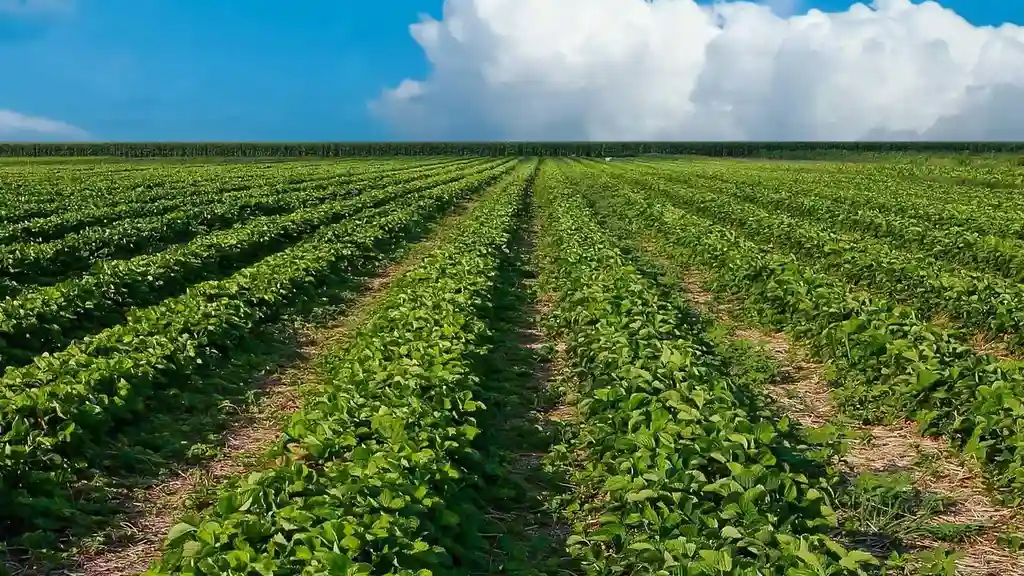
The real success of this programme is measured by its impact on the ground. By providing farmers with climate-resilient and high-yielding varieties, the initiative is helping to expand strawberry cultivation beyond traditional belts into non-traditional areas in Maharashtra and other states. This geographical diversification reduces the risk of a single regional climate event wiping out a large portion of the national harvest. For individual farmers, the benefits are clear: lower input costs due to the availability of local planting material, reduced crop loss from heat and disease, and higher overall income. This scientific intervention is directly contributing to the socio-economic upliftment of farming communities and strengthening India's food security in a tangible way.