






The Game-Changing Tax Cut
The revival can be traced back to a landmark policy shift that took effect on September 22, 2025. In a move dubbed 'GST 2.0', the government significantly restructured the Goods and Services Tax on automobiles. For small cars—defined as those under four
meters long with petrol engines up to 1200cc—the GST rate was slashed to 18%. This was a dramatic drop from the previous structure, which could be as high as 28% plus additional cesses. The change instantly made entry-level vehicles more affordable, directly impacting their ex-showroom prices and, by extension, lowering associated costs like insurance and loan EMIs for consumers. This targeted fiscal stimulus was designed to make car ownership more accessible and stimulate a segment crucial for mass motorisation.
How the Numbers Stack Up
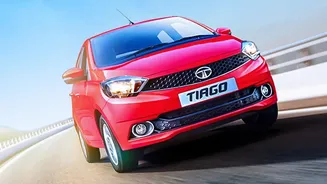
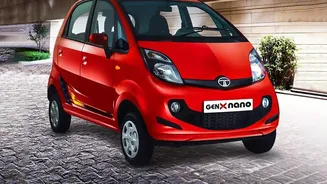
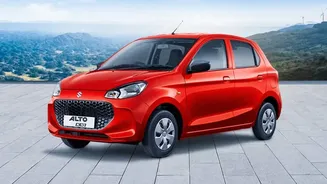
The impact of the tax cut has been clear and immediate. According to data from Jato Dynamics, the market share of entry-level hatchbacks climbed from 2.3% in the first half of fiscal year 2026 to 3.3% in the first five months of the current fiscal year. Maruti Suzuki, the market leader, has been a primary beneficiary. The company reported that its entry-level car sales surged by a staggering 96% in the April-August 2026 period. Models like the Alto saw a 57% year-on-year growth in August 2026, with 8,692 units sold. Renault's Kwid also posted a strong performance, with an 81.3% year-on-year growth in August. This revival marks a significant turnaround for a category that had seen its market share shrink from nearly 8% just five years ago.
The Return of the First-Time Buyer
Perhaps the most significant trend fueled by the lower prices is the return of first-time car buyers. For years, this demographic was being priced out of the market or was choosing to enter the market with a used car or a more aspirational compact SUV. Maruti Suzuki reported that first-time buyers accounted for 54% of its sales between April and August 2026, a massive jump from 42% in the same period a year earlier. Hyundai also saw its share of first-time buyers increase by over two percentage points in the months following the GST change. This influx is a vital sign of health for the industry, indicating that the market is expanding its base rather than just relying on existing owners to upgrade. Experts note it's the first time in nearly five years that the contribution of new buyers has risen so meaningfully.
Is the Small Car Back for Good?
While the resurgence is impressive, the long-term dominance of the small car is not guaranteed. The love affair with SUVs continues unabated, with their market share climbing to 58% even after the tax cuts on smaller vehicles. Analysts point out that while the tax relief has improved affordability, rising customer aspirations mean many new buyers now see a compact SUV as their first car. Furthermore, challenges like rising input costs for manufacturers and upcoming, more stringent safety regulations could once again push prices up, eroding the current affordability advantage. The current sales surge, therefore, is a testament to the price sensitivity of the entry-level segment and the powerful effect of government policy. However, its durability will depend on whether the industry can navigate future cost pressures while still meeting the evolving aspirations of the Indian consumer.