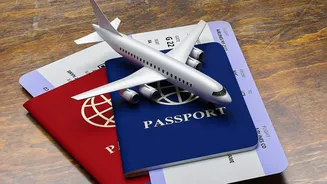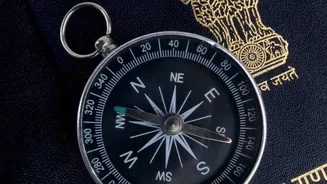







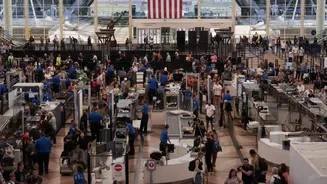
For many Indians, the dream of an international holiday is now being shaped by a starkly practical question: how difficult is the visa? Increasingly, complex procedures are the deciding factor in where travellers choose to spend their time and money.
The Great Visa Gauntlet
Planning a trip to Europe or the United States? For many Indian passport holders, this dream is often preceded by a bureaucratic marathon. The process for obtaining visas for destinations like the US, UK, and the Schengen Area is frequently cited as a major deterrent for aspiring travellers. According to a 2026 survey by the International Air Transport Association (IATA), 43% of global passengers were discouraged from travelling to a destination due to its immigration requirements, a significant jump from 33% the previous year. The leading cause of this frustration wasn't the cost, but the sheer complexity of the process. Indian applicants often face long waits for appointments, the need to submit extensive and detailed documentation, and mandatory in-person interviews. The uncertainty is a significant stressor; many embassies require confirmed flight and hotel bookings before a visa is even approved, placing a substantial financial risk on the applicant. This gauntlet of paperwork, waiting, and uncertainty can sour the excitement of a holiday before it even begins.
A Strategic Shift to Simplicity
In response to these hurdles, a clear trend has emerged: Indian tourists are increasingly voting with their passports, flocking to countries that welcome them with open arms. Nations in Southeast Asia, in particular, are reaping the benefits of their traveller-friendly policies. Countries like Malaysia, Thailand, and Sri Lanka have introduced visa-free entry schemes for Indian citizens, leading to a dramatic surge in interest and bookings. Malaysia saw a 47% year-on-year rise in accommodation searches from India after implementing its visa-free policy. Similarly, Sri Lanka and the Philippines also recorded significant growth after easing their entry rules. This pivot is not just about convenience; it is a strategic choice. Travellers are opting for destinations that offer a guarantee of entry, allowing for more spontaneous and stress-free planning. The choice is simple: why navigate a maze of applications when a tropical paradise is just a flight away, no visa required?
More Than Just Paperwork
The decision to avoid visa-heavy countries goes deeper than just a dislike for filling out forms. It is about the entire travel experience. The financial risk of non-refundable bookings is a major factor. A visa rejection not only cancels a holiday but can also mean losing thousands of rupees spent on flights and hotels. Then there's the mental and emotional toll. The anxiety of waiting for a decision, coupled with the pressure to prove strong ties to one's home country, can be draining. For many, the joy of travel lies in the freedom and excitement of exploration. Complex visa procedures replace that with doubt and formality. By choosing visa-free or visa-on-arrival destinations like the Maldives, Mauritius, or Indonesia, travellers are reclaiming the spontaneity of a holiday. It becomes less about seeking permission and more about simply deciding to go.
The Economic Ripple Effect
This shift in travel patterns has significant economic consequences. India is one of the world's fastestest growing outbound tourism markets, and this spending power is now being redirected. Countries that simplify visa processes for Indian tourists are seeing a direct and positive impact on their local economies, boosting everything from airlines and hotels to restaurants and local businesses. For example, after Thailand introduced its visa exemption scheme, the number of Indian tourists surged, reaching nearly 2.5 million in 2025. Conversely, nations with cumbersome visa rules risk losing out on this lucrative market. While security and immigration control are valid concerns for any country, the data suggests that overly complex procedures can act as a significant economic barrier, turning away countless genuine tourists who simply opt for an easier, more welcoming alternative.
Navigating Your Next Holiday
So what does this mean for your next international trip? It means planning starts with a strategic look at visa policies. If your heart is set on a destination with a tough visa process like the US or certain Schengen countries, the key is to prepare meticulously and apply well in advance—sometimes months ahead. However, it's also worth exploring the growing list of accessible countries. As of 2026, Indian passport holders have visa free or visa on arrival access to over 55 destinations, including popular spots in Asia, Africa, and the Caribbean. Whether it's the beaches of Fiji, the wildlife of Kenya, or the vibrant culture of Malaysia, a hassle free holiday is more attainable than ever. Ultimately, the choice is yours: brave the paperwork for that dream destination, or discover a new favourite where the only thing you need to declare at the border is your excitement.