



Rethink Your Cooking Oil
One of the most impactful changes involves how you use oil. Often, the quantity of oil used in daily Indian cooking is more a matter of habit than necessity. Switching to a good quality non-stick or a well-seasoned cast-iron pan can drastically reduce
the amount of oil needed to prevent food from sticking. Instead of pouring directly from the bottle, use a measuring spoon or an oil spray to control the amount precisely. When sautéing, if your masala starts to stick, resist adding more oil. Instead, deglaze the pan with a splash of water or vegetable stock to release the flavours without adding extra fat.
Bake, Grill, or Steam, Don't Just Fry
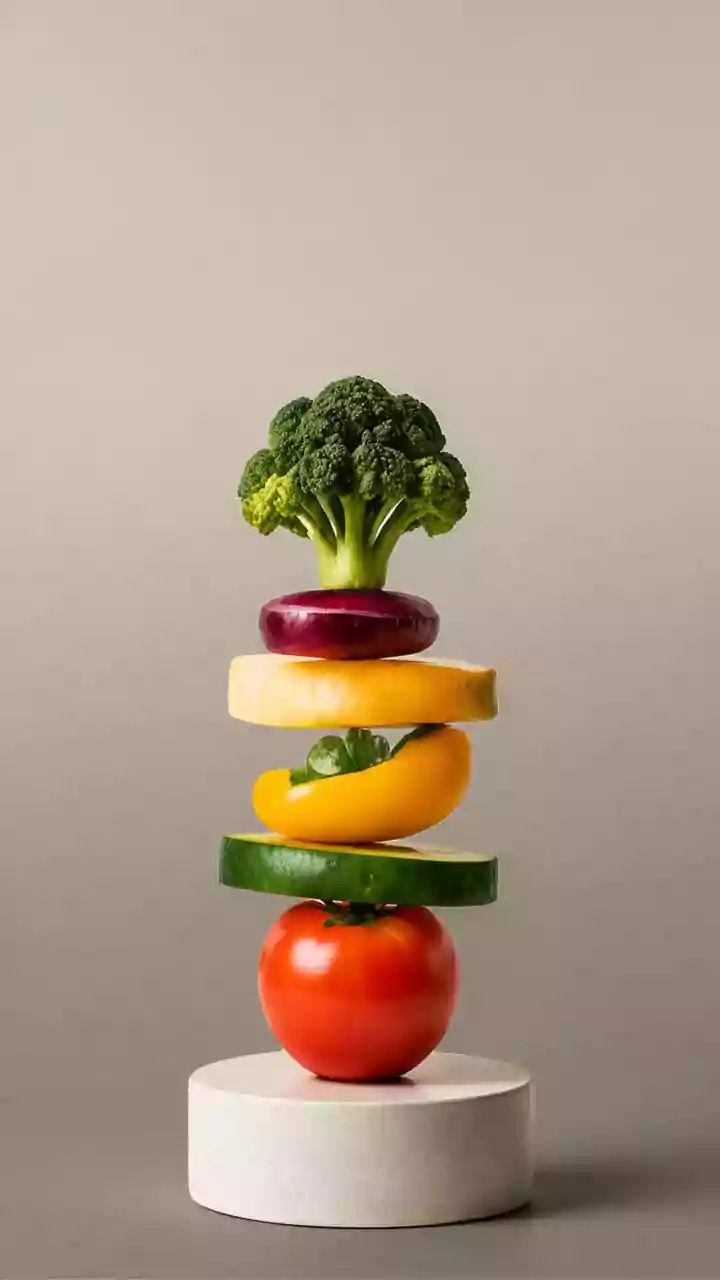
Frying isn't the only way to achieve delicious results. Exploring other cooking methods can open up a world of flavour while cutting down on fat. Baking, grilling, or air frying vegetables and proteins are excellent alternatives that often require minimal oil. For instance, instead of deep-frying items for a curry, try baking or roasting them with a light spray of oil first. Steaming is another fantastic, oil-free method that preserves the natural taste and nutrients of vegetables and fish, making it a perfect choice for light and healthy meals.
Embrace Whole Grains
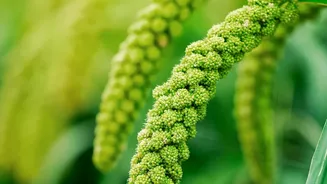
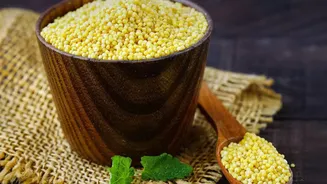
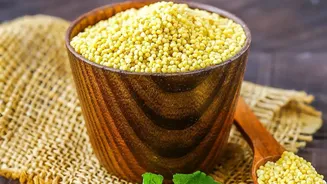
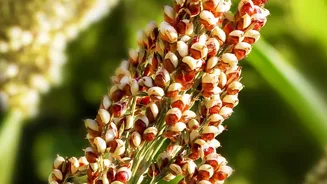
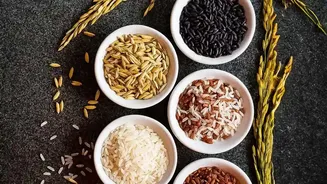
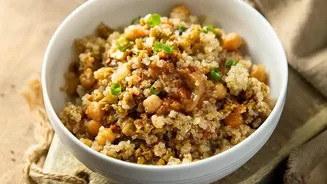
A simple swap from refined grains to whole grains can significantly boost the fibre and nutrient content of your meals. Instead of using only white rice, try mixing it with brown rice or incorporating other whole grains like quinoa, millets, or barley into your diet. Similarly, when making rotis or other flatbreads, experiment with whole wheat flour (atta) or multigrain flours instead of refined flour (maida). This change supports better digestion and helps you feel fuller for longer.
Flavour with Spices, Not Just Salt and Fat
Indian cuisine is celebrated for its masterful use of spices, which are the true source of flavour, not oil. Try dry-roasting whole spices like cumin, coriander seeds, and cloves in a hot pan before grinding or adding them to your dish. This technique intensifies their aroma and flavour, meaning you can rely less on fat for that initial 'tadka' bloom. Using a variety of herbs and spices also allows you to reduce your reliance on salt for taste, which is another step towards a healthier diet.
Make Smart Swaps for Creaminess
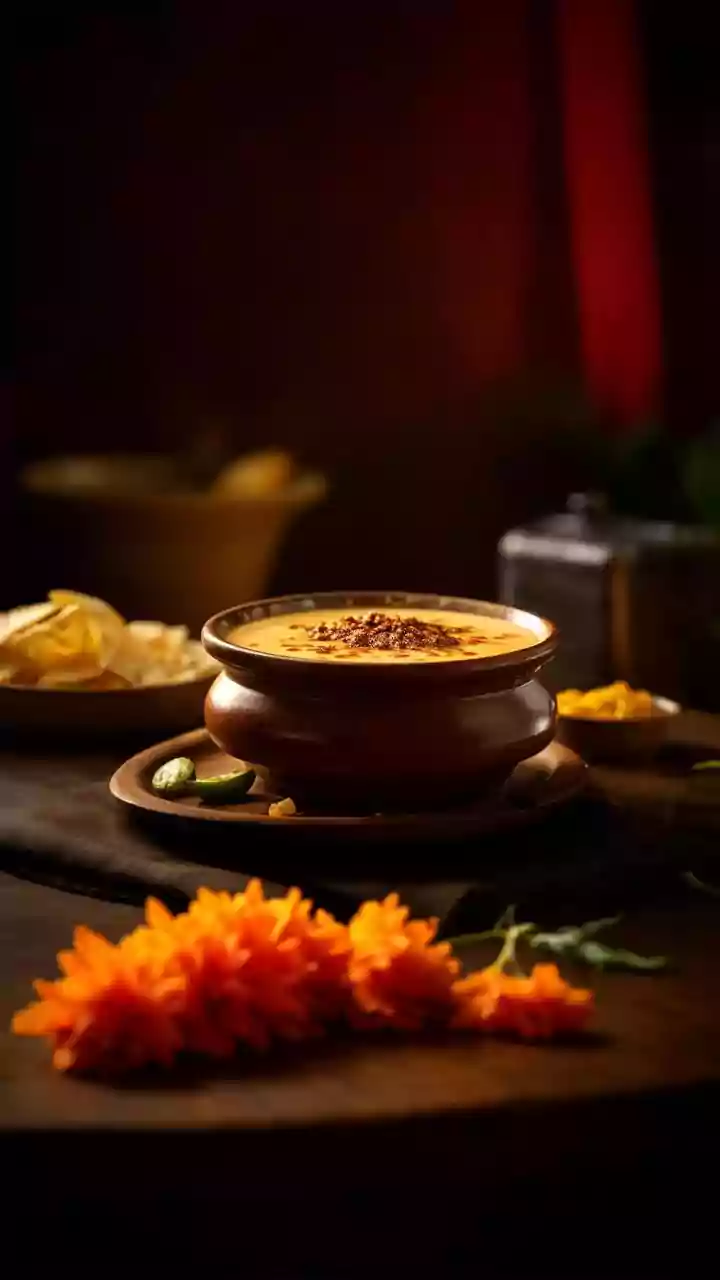
Many recipes call for cream, full-fat cheese, or large amounts of butter to achieve a rich, creamy texture. Healthier alternatives can provide a similar mouthfeel without the heavy saturated fat. Plain Greek yogurt or curd can be used in place of sour cream or as a base for marinades and gravies. Blended nuts (like cashews), seeds, or even boiled onions can create a rich, creamy paste to thicken curries. These swaps not only cut down on fat but also add protein and other nutrients.
Practice Mindful Cooking
Healthier cooking isn't just about what you cook, but how you cook. Mindful cooking involves being fully present in the process, paying attention to the sounds, smells, and textures of your ingredients. This practice can help reduce stress and turn meal preparation from a chore into a calming, creative activity. By slowing down, you become more intentional with your choices, such as portion sizes and ingredients, fostering a deeper connection with the food that nourishes you.