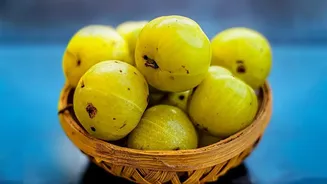










More Than Just a Fruit
India is one of the world's largest producers of fruits, with a diverse climate that yields everything from tropical mangoes to temperate apples. This agricultural bounty translates into a significant export industry, supporting millions of farmers and
contributing to the rural economy. Key exports like grapes, pomegranates, mangoes, and bananas are in high demand in markets across Europe, the Middle East, and North America. However, their journey from Indian orchards to foreign supermarkets is becoming increasingly complicated. While India's share in global fruit exports has been relatively small, the potential for growth is immense. This makes any obstacle to market access a serious concern, not just for individual farmers but for India's broader economic ambitions.
The Real Sticking Point: Non-Tariff Barriers
While traditional trade talks often focus on tariffs (taxes on imports), the bigger challenge for Indian fruit exporters today comes from non-tariff barriers. These are rules and regulations that can restrict trade, sometimes under the guise of health and safety. The most significant among these are Sanitary and Phytosanitary (SPS) measures. These are rules designed to protect a country's human, animal, and plant life from pests and diseases. For Indian fruits, this means meeting stringent, and often differing, standards set by importing countries regarding pesticide residue levels, pest-free certifications, and even packaging requirements. For example, concerns over fruit flies have historically impacted Indian mango shipments to the EU. Navigating these complex and ever-changing rules can be a major hurdle, especially for smaller exporters.
A New Diplomatic Bargaining Chip
Contentious issues over fruit and other agricultural products are no longer just technical problems for food inspectors; they have evolved into powerful diplomatic tools. A country can use the rejection of a consignment over a pest concern or a new, stricter pesticide limit to signal displeasure or gain leverage in larger trade negotiations. These seemingly small disputes can become bargaining chips in discussions about entirely different sectors, such as market access for cars, technology, or financial services. For instance, in the context of Free Trade Agreement (FTA) negotiations, a country might offer to relax its SPS standards on Indian grapes in exchange for India lowering its tariffs on imported wines or industrial goods. This dynamic turns agricultural products into strategic assets on the geopolitical chessboard.
The FTA Proving Ground
Recent trade negotiations, like the ones with the UK and the EU, highlight this trend perfectly. The India-UK Comprehensive Economic and Trade Agreement (CETA), which came into force in July 2026, grants duty-free access to many Indian exports, including fruits. This is a huge win on paper. However, the real test lies in meeting the UK's regulatory standards. Similarly, in the ongoing EU-India FTA talks, agriculture remains a highly contentious area. While the EU is keen to export its products to India, it maintains strict protections and standards for its own market, with well-defined quotas for sensitive items like grapes. India, in turn, protects its own sensitive sectors like dairy while pushing for greater access for its agricultural produce. These negotiations show that securing a zero-tariff deal is only half the battle; the other half is fought over regulations.
Beyond the Harvest
The challenges faced by fruit exporters reveal a larger truth about India's role in the global economy. As India aims to become a major export hub, its success will depend not just on production capacity but on its ability to navigate the intricate web of global trade rules and diplomacy. The conversation around a consignment of mangoes can now reflect wider issues: India's regulatory alignment with global standards, its negotiating power in trade deals, and its capacity to ensure quality and traceability across its supply chains. Addressing these issues by strengthening testing infrastructure, investing in cold chains, and engaging in proactive trade diplomacy is crucial. The journey of a simple fruit from a farm in India to a shelf in London or Dubai is now a barometer of India's readiness to compete on the world stage.