







Same Foundation, Different Drinks
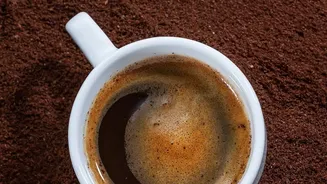
At their core, both a classic cappuccino and a latte begin identically: with one or two shots of espresso. This is the flavour engine of the drink, providing the caffeine, the bitterness, and the complex aromatic notes of the coffee bean. If you're using
the same coffee and the same number of shots for both, the base level of coffee flavour is, in fact, identical. This is what makes the perceived difference in strength so fascinating—it’s not about the amount of coffee, but about everything that happens next.
The Question of Dilution
The most straightforward reason for the difference in taste is the milk-to-espresso ratio. A traditional cappuccino is a smaller beverage, typically served in a 150-180 ml cup. It's famously constructed in equal thirds: one part espresso, one part steamed milk, and one part milk foam. A latte, on the other hand, is a much milkier drink. Served in a larger glass or cup (often 240-360 ml), the ratio is skewed heavily toward milk, sometimes as much as one part espresso to four or more parts milk. This sheer volume of milk naturally dilutes the espresso, mellowing its intensity and creating a smoother, creamier, and milder taste.
The Secret Is in the Foam
Here is where the sensory magic happens. The type of foam used in each drink is fundamentally different and dramatically alters the drinking experience. A cappuccino is crowned with a thick, airy, and stiff layer of foam. This foam sits distinctly on top of the liquid, acting almost like a lid. A latte features microfoam—a much thinner, denser, and more velvety foam that is fully integrated into the steamed milk, creating a homogenous, silky texture from top to bottom. The milk for a latte is steamed to a consistency often described as being like wet paint, which is what allows for intricate latte art. A cappuccino’s stiff foam could never hold such a design.
How Structure Changes Perception
The structure of the foam directly impacts how you taste the coffee. When you drink a cappuccino, your lips first meet that light, airy foam, but then you sip the liquid from underneath it. This means your tongue gets a more direct hit of the less-diluted coffee and steamed milk mixture below. The espresso flavour is more pronounced because it is less integrated with the foam. With a latte, the espresso, steamed milk, and microfoam are all blended together. From the very first sip, you are tasting a fully combined beverage where the coffee's sharp notes have already been softened by a large quantity of creamy, sweet milk.
Aroma, Temperature, and Texture
Our perception of taste is deeply linked to aroma and texture. The thick, dry foam of a cappuccino acts as an insulating layer, trapping heat in the liquid below. This can affect how we perceive bitterness and sweetness. Furthermore, the very different textures—the light, bubbly foam of a cappuccino versus the smooth, heavy silkiness of a latte—send different signals to our brain. The fat and proteins in milk play a huge role here. When milk is steamed, its natural sugars (lactose) become more prominent, which is why a well-made milky coffee tastes sweet without any added sugar. Because a latte contains so much more milk, this sweetness is a dominant flavour characteristic, further masking the espresso's boldness. In a cappuccino, there's simply less milk to get in the way of the coffee's true character.