








Decoding the Divergence
Recent data from India's core industrial sectors paints a complex picture of the economy. For June 2026, the official Index of Core Industries (ICI) showed that petroleum refinery products, which carry the heaviest weight in the index, contracted by 4.7%
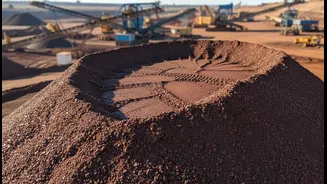
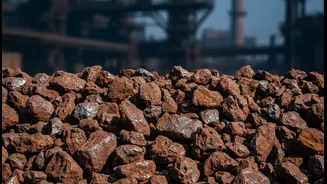
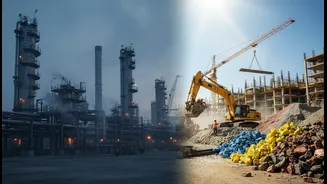
compared to the same month last year. This decline in a crucial sector, which includes fuels like diesel and petrol, raises questions about demand and operational efficiency. In stark contrast, sectors that feed directly into building and infrastructure are flourishing. Iron ore production posted a staggering 43.9% growth, while cement output grew by 9.8% and steel by 4.6%. This split narrative—weakness in energy refining versus strength in foundational materials—suggests the Indian economy is not moving in lockstep but is instead being pulled by different forces.
Why Are Refineries Under Pressure?
The 4.7% drop in refinery output marks a significant downturn. Data for the preceding month, May 2026, also showed a contraction in refinery products, as well as in crude oil and natural gas production. This trend can be attributed to a combination of factors. Some of it may be linked to planned maintenance shutdowns at major refineries, which temporarily halt production. However, it also points to potential volatility in global energy markets and shifting demand dynamics. While India has been successfully exporting refined fuels, even becoming a 'swing supplier' to meet global shortages, domestic production figures can be influenced by crude oil import costs and inventory management. The contraction in related energy sectors like crude oil and natural gas further indicates that the upstream energy chain is facing headwinds.
The Engine of Construction and Mining
On the other side of the ledger, the boom in mineral and construction inputs is undeniable. The surge in iron ore, cement, and steel production points directly to robust activity in the construction and infrastructure sectors. This growth is largely fueled by the government's continued push on infrastructure projects and a resilient real estate market. The healthy expansion of capital goods output, which grew nearly 13% in May, further confirms that investment in new projects and machinery remains strong. This indicates that despite rising labour and material costs, developers and infrastructure firms are moving forward with projects, creating a powerful engine for economic activity and employment. The strong performance of these foundational sectors provides a crucial counterbalance to the softness seen in the energy production sphere.
What This Means for the Economy
This tale of two industrial sectors has broad implications. The strength in construction and infrastructure is a positive sign for GDP growth and job creation. It reflects underlying investment confidence in the economy's long-term prospects. However, the slump in refinery output could be a canary in the coal mine for potential energy-related inflation or supply issues if the trend continues. It also highlights the industrial sector's sensitivity to global commodity cycles and geopolitical events. For now, the overall Index of Industrial Production (IIP) continues to show growth, expanding by 5.1% in May 2026, thanks to the strong performance in manufacturing and electricity generation which offset the mining contraction. This suggests that while certain areas are lagging, the broader industrial economy is still on a positive trajectory, albeit an uneven one.