





More Than a Superfood
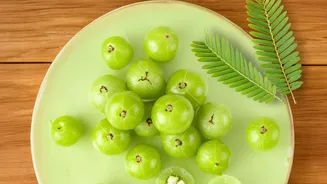
Amla is a true nutritional powerhouse. It is famously packed with Vitamin C—many times more than an orange—which is vital for a strong immune system and healthy skin. It's also rich in antioxidants like polyphenols, which help protect your body's cells
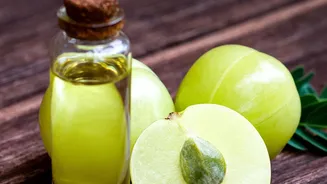
from damage. Traditional Ayurvedic practices have revered it for centuries for its wide-ranging benefits, from aiding digestion to improving hair and eye health. These remarkable qualities make it a fantastic addition to a balanced diet, providing genuine nourishment that supports your body's overall well-being.
Taming the Tang
The main hurdle for many when it comes to fresh amla is its intense sour and astringent flavour. Thankfully, a few simple kitchen tricks can make it much more palatable. A popular method is to briefly boil or steam the fruit, which softens both its texture and its sharp taste. Another effective technique is to chop the amla and toss it with salt, letting it sit for about 30 minutes before rinsing. The salt helps draw out some of the bitterness. For those who prefer a sweeter note, mixing grated amla with a bit of honey or jaggery can beautifully balance its natural sourness, making it ready for use in various preparations.
Refreshing Amla Drinks
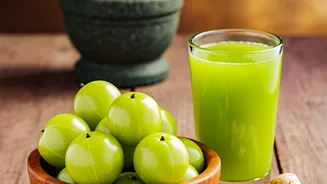
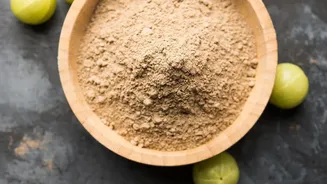
One of the easiest ways to enjoy amla is in liquid form, but you don't have to limit yourself to a potent morning shot. For a refreshing juice, blend deseeded amla with water, then strain it. To counter the sourness, mix in some honey, ginger, or mint leaves. Amla powder is another convenient option; it can be stirred into your favourite smoothie for an antioxidant boost without much fuss. It pairs well with sweeter fruits like bananas or pineapples. For a simple, hydrating beverage, try making a cooling jal jeera by mixing amla powder with cumin powder, salt, and water.
Zesty Relishes and Chutneys
Amla's tartness makes it a perfect ingredient for chutneys, pickles, and relishes that can elevate any meal. A simple, no-cook chutney can be made by grating fresh amla and mixing it with coriander, mint, green chillies, ginger, and a pinch of sugar or jaggery. This creates a vibrant condiment that pairs wonderfully with everything from samosas to simple rice and dal. For a sweet and sour relish, known as amla launji, the fruit is cooked with jaggery and a tempering of spices like mustard seeds, fennel, and nigella seeds until it becomes soft and jam-like. It can be stored in the refrigerator and served as a side dish.
A Savoury Surprise in Cooked Dishes
Beyond condiments, amla can be seamlessly integrated into your daily cooking as a natural souring agent. Its tangy flavour can replace or complement ingredients like tamarind or lemon. You can add a few chopped pieces of fresh or steamed amla to lentil preparations like dal, where it will soften and infuse the dish with a subtle, earthy tartness. It also works well in vegetable stir-fries and curries, providing a bright note that cuts through richer flavours. Even amla powder can be used sparingly in savoury dishes; a small amount can be mixed into roti or paratha dough for a tangy twist.
Ditching the 'Detox' Myth
While amla is incredibly healthy, it's important to move past the misleading language of 'detoxes' and 'cleanses'. There is little to no scientific evidence that specific foods or diets can remove toxins from your body. Your body already has a highly efficient, built-in detoxification system: your liver and kidneys. These organs work around the clock to filter and eliminate waste. The real benefit of amla comes from providing your body with essential nutrients—like Vitamin C and antioxidants—that support these natural processes and contribute to overall health. Rather than viewing it as a short-term fix, think of amla as a long-term investment in your well-being, enjoyed as part of a varied and balanced diet.