



A Legacy of Cool Comfort
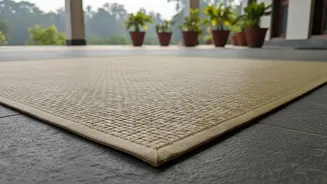
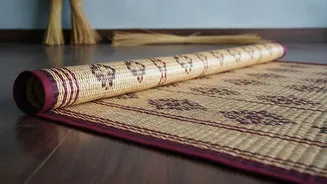
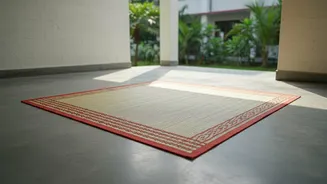
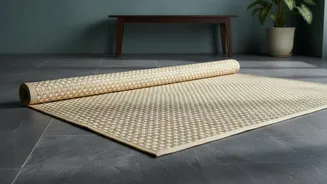
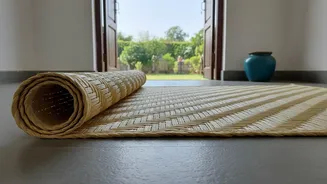
Known as 'Madur' or 'Sitalpati', these traditional mats are an integral part of Bengali households. The name 'Sitalpati' literally translates to "cool mat," a perfect description for its most cherished quality. Made from specific types of reeds, these mats are renowned
for their ability to provide a cooling sensation, making them a fixture for sitting and sleeping during the hot and humid months. The history of this craft dates back centuries, with mentions in ancient literature and patronage during the Mughal period, where the finest variety, 'Masland', was supplied to royal courts. Primarily produced in districts like Paschim and Purba Medinipur for Madur Kathi and Cooch Behar for Sitalpati, this craft is a cornerstone of the region's cultural identity.
From Marsh to Mat
The creation of a single mat is a testament to patience and skill. The journey begins with the cultivation and harvesting of reeds like 'Madur Kathi' (Cyperus corymbosus) from marshy lands. These reeds are cut, dried, and then painstakingly split by hand into fine, pliable strips. To achieve the desired texture and quality, the strips are often soaked, sometimes in rice water, and then boiled before being sun-dried again. Weaving is done on simple bamboo-frame looms, primarily by the women of the household. They interlace the natural reed weft with cotton or jute threads as the warp, creating intricate geometric patterns that have been passed down through generations. While many mats retain the natural beige colour of the reed, some are dyed using natural ingredients like fruits and vegetables, adding vibrant character.
A Craft Woven by Families
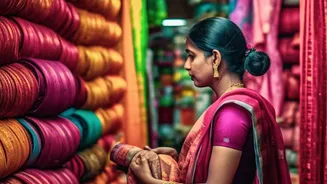
This craft is deeply embedded in the family structure, with knowledge and skills passed from one generation to the next. It is a household industry where tasks are often distributed among family members. Men might be involved in cultivating and processing the raw reeds, while women predominantly take on the intricate and time-consuming weaving. In many villages, weaving is a communal activity, a time for women to gather and work after completing their daily chores, supplementing the family income. A mat is not just a product but a showcase of a family's artistic skill, and in the past, these mats were often part of a bride's trousseau.
The Looming Threats
Despite its rich heritage, the future of this craft is precarious. Artisans face a multitude of challenges that threaten their livelihood. The biggest threat comes from the market being flooded with cheap, mass-produced plastic mats, which have drastically reduced demand for the handcrafted alternative. Furthermore, the artisans often receive low prices for their labor-intensive work, struggling to cover costs as middlemen frequently take a significant share of the profits. A shortage of raw materials, rising production costs, and a lack of access to larger, more lucrative markets also plague the weavers. As a result, many from the younger generation are abandoning the family craft for more stable and profitable employment, leading to a decline in the number of skilled artisans.
Weaving a New Future
Hope, however, is not lost. Efforts are underway to preserve and revitalise this tradition. The awarding of the Geographical Indication (GI) tag to Madur Kathi in 2018 was a significant step in officially recognising its unique origin and quality. Government bodies, NGOs, and social enterprises are working to connect artisans directly with markets, eliminating the need for intermediaries and ensuring fairer prices. There is also a push for product diversification, with weavers now creating contemporary items like table runners, bags, coasters, and other home decor products to appeal to modern consumers. These initiatives, combined with a growing consumer appreciation for sustainable, handmade goods, are helping to weave a new chapter for Bengal's traditional summer mats.