







The Trap of the Perfect Plan
Many of us feel an unspoken pressure, especially during holidays or festive seasons, to orchestrate picture-perfect family experiences. The perfectly decorated home, the gourmet meal, the activity-packed schedule—these are often seen as the hallmarks
of a happy family. However, this pursuit of perfection frequently backfires. The stress of planning and execution can lead to frayed nerves and exhaustion for parents and children alike. Activities that are meant to be fun can start to feel like obligations, and the focus shifts from connection to performance. This anticipatory anxiety can begin weeks before an event, as our minds rehearse potential stressors, leaving everyone feeling drained before the 'fun' has even begun. When family time becomes another item on a crowded to-do list, it loses its power to genuinely bring us together.
The Quiet Power of Ritual
In contrast to high-stakes events, small, consistent family rituals act as anchors in the chaos of daily life. These are the simple, repeated activities that carry special meaning for your family. Think of a silly handshake before school, a specific song played during breakfast, or a walk together after dinner. Psychologically, these rituals are powerful because they create predictability and a sense of emotional safety. For children, knowing what to expect provides comfort and stability in an often-unpredictable world. Research shows that consistent family routines can lower stress, reduce anxiety, and build resilience in both kids and adults. These rituals don't need to be grand; their power lies in their consistency and the shared emotional significance they hold.
More Than Just a Meal
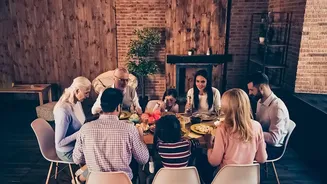
Among the most impactful rituals is the shared family meal. It’s not about serving a five-star dish, but about the simple act of gathering without the distraction of screens. Studies consistently show that families who eat together regularly experience stronger bonds, better communication, and improved mental well-being. These meals provide a dedicated space to talk about the day, share experiences, and offer support. For children, it's an opportunity to develop social skills, feel heard, and learn healthy eating habits. For parents, it's a chance to connect with their kids, and research suggests it can even lead to lower stress levels and higher self-esteem for the adults at the table.
How to Create Your Own Traditions
Starting your own traditions doesn't have to be complicated. The key is to choose activities that are simple, sustainable, and genuinely enjoyable for your family. Begin by involving everyone in brainstorming ideas that reflect your shared interests. It could be a weekly 'Taco Tuesday' or a Friday pizza and movie night. Maybe it's a monthly family game night where everyone unplugs from their devices. Other ideas include reading a story together before bed, taking a weekend walk, or starting a gratitude jar where family members write down things they're thankful for. Choose one or two simple ideas to start with. The goal is to find a rhythm that fits into your life without adding more pressure, creating moments of connection that everyone can look forward to.
Embracing the Beauty of Imperfection
Ultimately, letting go of the need for every family gathering to be a monumental event is liberating. The most cherished memories often arise from spontaneous, imperfect moments rather than meticulously planned schedules. A kitchen mishap that ends in laughter, a board game with made-up rules, or a simple conversation during a car ride can foster more connection than the most elaborate holiday party. By focusing on creating small pockets of togetherness, you build a foundation of belonging and emotional security. These low-pressure rituals become the threads that weave a strong family fabric, creating a resilient and connected unit ready to navigate life's challenges together.