

The Nutritional Punch of Seeds
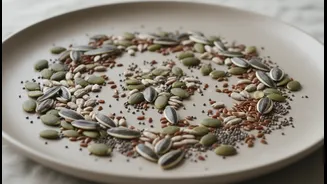
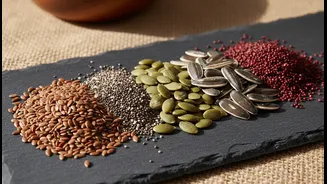
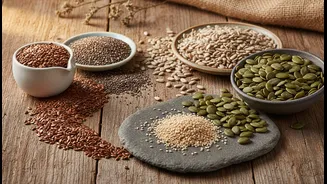
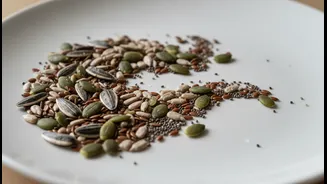
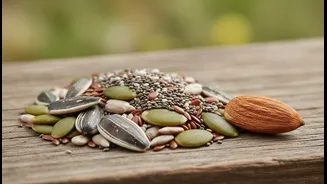
There's no doubt that seeds are packed with goodness. They are excellent sources of plant-based protein, healthy unsaturated fats, and dietary fibre. For instance, chia seeds are celebrated for their omega-3 fatty acids, which help reduce inflammation,
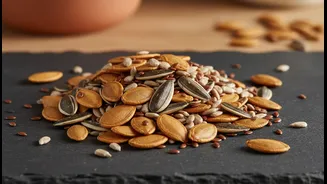
while sunflower seeds provide magnesium, vital for metabolism and muscle function. Pumpkin seeds are a good source of iron, which is essential for carrying oxygen in the blood. This dense nutritional profile is why studies suggest that including seeds in a balanced diet can help manage weight and reduce the risk of heart disease. They are, in essence, a fantastic way to add a concentrated boost of nutrients to your daily intake.
Why a Seed-Only Snack Falls Short
Despite their impressive credentials, seeds are not a complete meal on their own. Relying on a small handful of seeds for sustenance means missing out on other crucial nutrients. For one, they lack the volume and water content that vegetables and fruits provide, which contribute to feeling full and hydrated. While they contain protein, most individual seeds don't offer a complete profile of all nine essential amino acids that the human body needs. They are also low in certain vitamins, like the vitamin C found abundantly in fresh fruits and vegetables. Eating only seeds would be a very narrow, and ultimately incomplete, approach to nutrition.
The Power of a Complete Plate
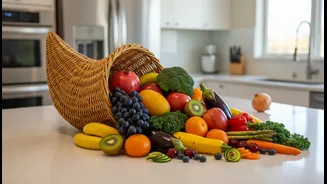
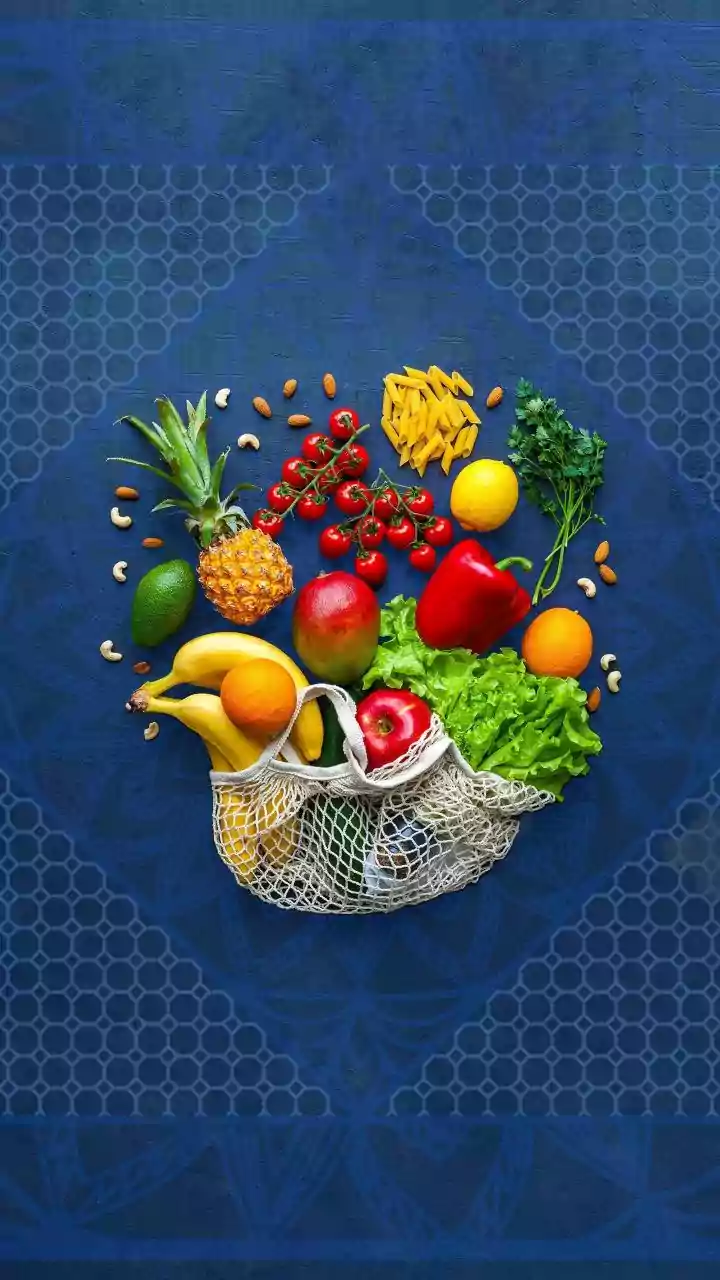
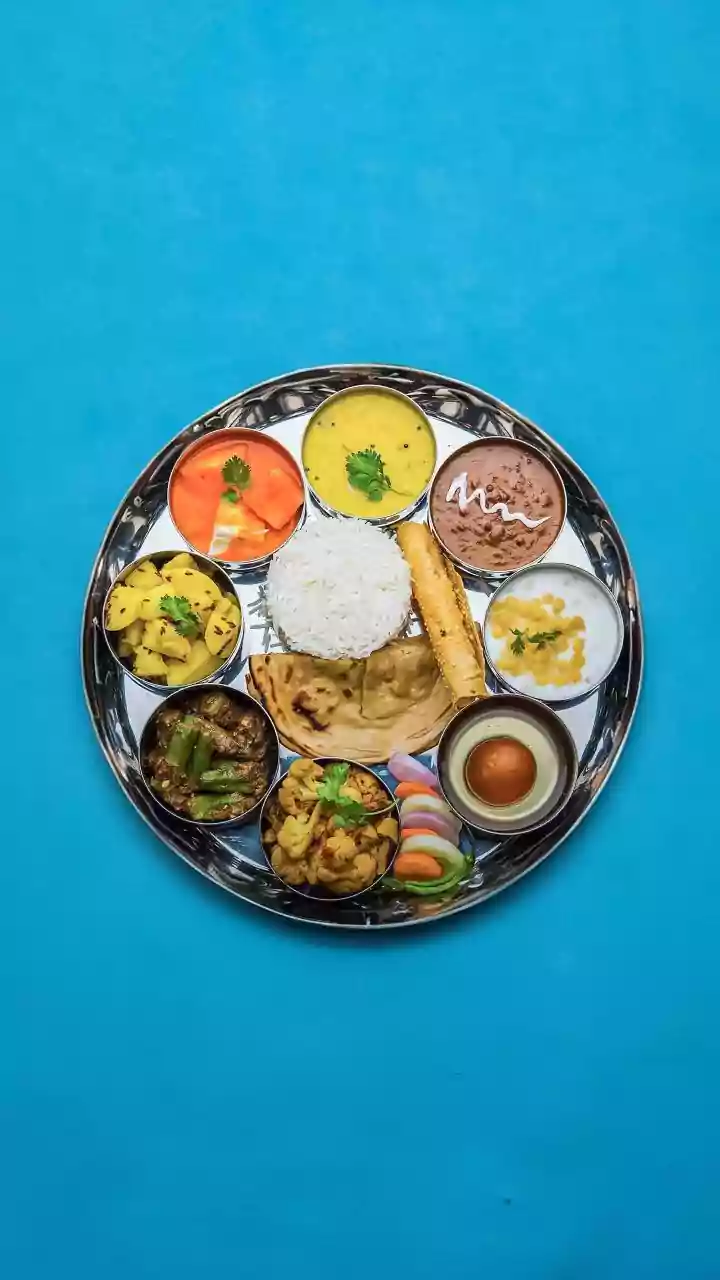
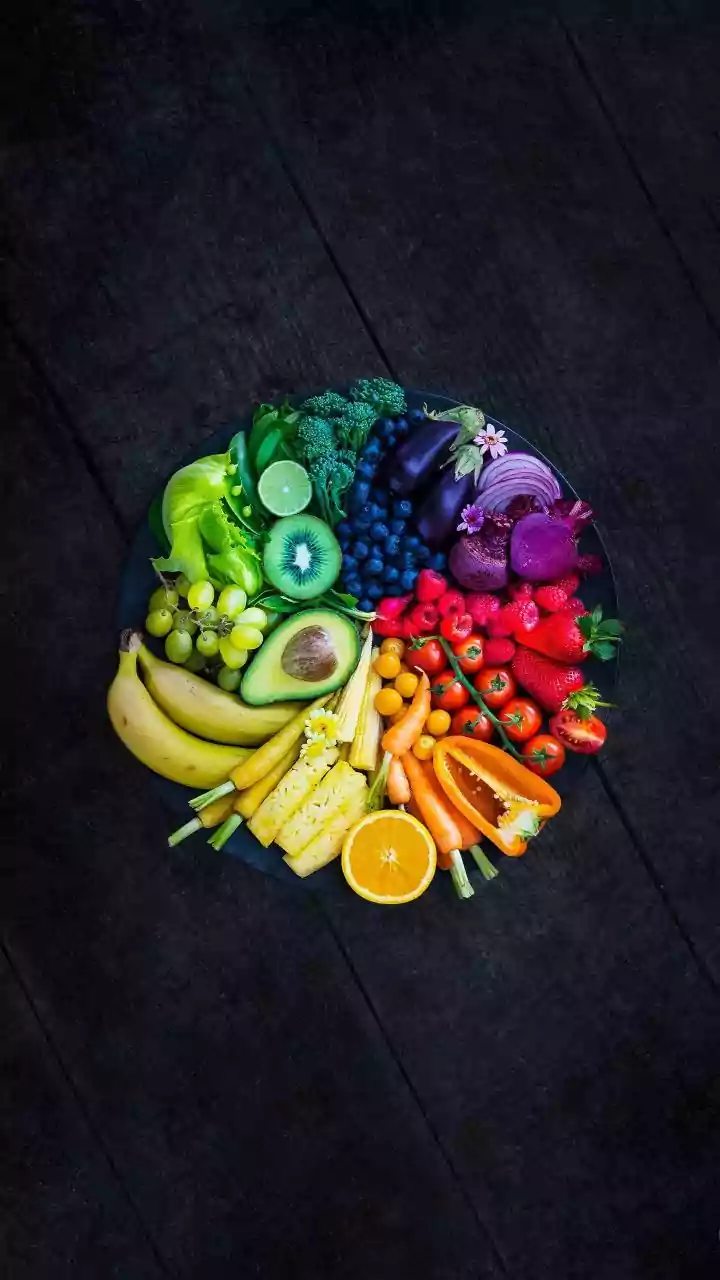
Modern nutrition has shifted away from focusing on single 'superfoods' and toward understanding the power of whole dietary patterns. A truly healthy diet is one of variety and balance, incorporating all the major food groups. This means building your meals around a colourful mix of vegetables, fruits, lean proteins (whether from animal or plant sources), and whole grains. Each of these groups provides a unique and essential piece of the nutritional puzzle. Vegetables and fruits offer vitamins, minerals, and antioxidants; proteins are the building blocks for our bodies; and whole grains provide sustained energy and additional fibre. Seeds are a vital part of this picture, but they are just one part.
Better Together: Nutrient Synergy
The real magic happens when you combine foods, a concept known as food synergy. Nutrients from different foods can interact to enhance their benefits. For example, the vitamin C in fruits like oranges or vegetables like bell peppers dramatically increases the body's ability to absorb plant-based iron, the kind found in seeds and lentils. The healthy fats present in seeds help your body absorb fat-soluble vitamins like Vitamin A (found in carrots and sweet potatoes), D, E, and K. The combination of fibre from seeds, whole grains, and vegetables works together to promote excellent gut health and keep you feeling full and satisfied for longer, which can help regulate blood sugar levels. In this way, the whole meal becomes much greater than the sum of its parts.
Practical Pairings for a Balanced Diet
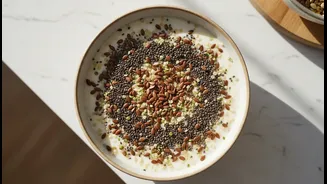
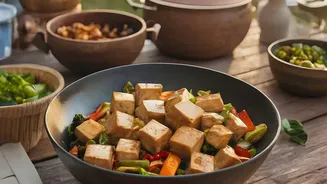
Incorporating seeds into a balanced diet is simple and delicious. The goal is to sprinkle them into meals you already enjoy. Start your day by adding a tablespoon of flaxseeds or chia seeds to your morning porridge, smoothie, or bowl of yogurt with fruit. When preparing a salad for lunch, toss in a handful of toasted sunflower or pumpkin seeds for a satisfying crunch and a nutrient boost. You can use tahini (a paste made from sesame seeds) as a base for salad dressings or as a spread on whole-grain toast. For dinner, try coating chicken or fish with a crust of crushed seeds before baking, or simply sprinkle some sesame seeds over a vegetable stir-fry served with brown rice. These small additions ensure you get the benefits of seeds within the context of a complete, nourishing meal.