

A Tale of Two Roots
Both beetroot (chukandar) and radish (mooli) are celebrated in Indian cuisine, loved for their versatility whether grated into salads, blended into juices, or pickled. Beetroot offers a sweet, earthy flavour, while radish provides a peppery, crisp bite.
While they often appear alongside each other, their nutritional scorecards reveal two very different health champions. Understanding their individual benefits can help you choose the right one for your specific dietary needs.
The Calorie and Carb Count
For those managing their weight or carbohydrate intake, the radish is the clear winner. A 100-gram serving of raw radish contains only about 16 to 19 calories and roughly 3.4 grams of carbohydrates. In contrast, the same amount of raw beetroot has about 43 calories and 9.6 grams of carbohydrates, a large portion of which is natural sugar. This makes radish an excellent, low-calorie choice for adding crunch and volume to meals without significantly impacting your daily calorie budget. Beetroot, while higher in calories and sugar, offers more dietary fiber, which is crucial for digestive health.
The Vitamin Verdict
When it comes to vitamins, each vegetable has a standout nutrient. Radish is an excellent source of Vitamin C, an essential antioxidant for boosting immune function and promoting healthy skin. A single serving can provide a significant portion of your daily requirement. Beetroot contains less Vitamin C but is exceptionally rich in Folate (Vitamin B9). Folate is vital for cell growth, DNA synthesis, and is particularly important during pregnancy to prevent developmental issues. So, if you're looking to fend off a cold, reach for radishes; for cellular health and development, beetroot is a better bet.
A Mineral Match-Up
Beetroot takes a strong lead in the mineral department. It is particularly high in potassium and iron. Potassium is key for regulating blood pressure, and beetroot is also a fantastic source of dietary nitrates. The body converts these nitrates into nitric oxide, a molecule that helps relax and widen blood vessels, potentially improving blood flow and lowering blood pressure. This effect has also made beetroot juice popular among athletes for enhancing endurance. While radish contains potassium, its levels are lower. However, radishes are a better source of calcium, which is important for bone health.
Unique Health-Promoting Compounds
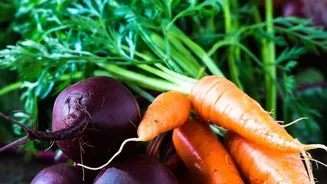
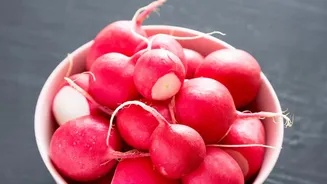
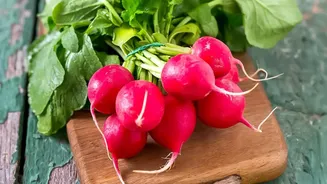
Beyond standard vitamins and minerals, both vegetables contain unique compounds with powerful health benefits. Beetroot's deep red color comes from pigments called betalains, which are potent antioxidants known to fight inflammation and cellular damage. Radishes, part of the cruciferous vegetable family, get their sharp, peppery taste from compounds called isothiocyanates. Research suggests these compounds may have anti-cancer properties, helping the body eliminate potential carcinogens and inhibiting the growth of cancer cells. They also contribute to liver health by supporting detoxification processes.
So, Which One Should You Choose?
The best choice depends entirely on your health goals. For a low-calorie, low-carb diet with a focus on Vitamin C and potential cancer-fighting compounds, radish is an outstanding option. Its high water content and crunchy texture make it a satisfying addition to any meal. For those looking to boost athletic performance, manage blood pressure, or increase their intake of folate and iron, beetroot is the superior choice. Its unique combination of nitrates and antioxidants offers significant cardiovascular and anti-inflammatory benefits.