


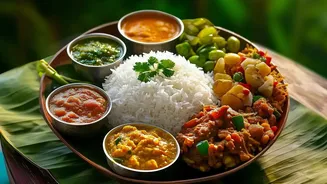
The Paradox of the Healthy Indian Diet
For generations, a vegetarian lifestyle has been associated with good health and longevity in India. Rich in vegetables, lentils, and spices, the diet seems inherently nutritious. However, many staple meals are built around a large portion of carbohydrates,
and increasingly, these are refined carbs. This shift from complex, whole grains to processed alternatives is creating a nutritional imbalance. The typical Indian diet often derives 60-70% of its calories from carbohydrates, a figure significantly higher than recommended levels. This pattern, heavy in refined grains and often light on protein, is a key factor behind India's rising rates of metabolic diseases like type 2 diabetes.
Identifying the Refined Carb Culprits
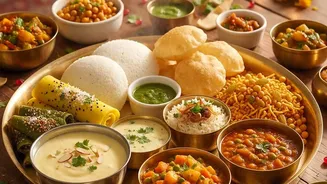
Refined carbohydrates are grains that have been stripped of their fibre and bran, such as white rice and maida (refined wheat flour). This processing allows them to be digested very quickly, leading to a rapid spike in blood sugar. Common Indian foods that are high in refined carbs include staples like fluffy white rice, naan, parathas, and pooris made with maida. Many popular breakfast items like poha, upma, and idli, while traditional, are also predominantly carbohydrate-based. Even seemingly harmless snacks such as samosas, pakoras, and biscuits contribute significantly to the daily load of refined carbs and unhealthy fats.
A Magnified Risk for South Asians
This dietary pattern is particularly concerning for people of South Asian descent, who have a well-documented genetic predisposition to developing type 2 diabetes. Studies show that South Asians tend to have higher insulin resistance and a greater tendency to store fat in the abdominal area, even at a low Body Mass Index (BMI). When a high-carb diet is combined with this genetic vulnerability, the risk of developing diabetes increases substantially. Some research indicates that this predisposition may be linked to an evolutionary 'starvation adaptation' that is now detrimental in an environment of abundant, high-calorie foods.
The Smart Swap Strategy: Reclaiming Your Plate
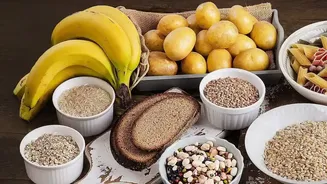
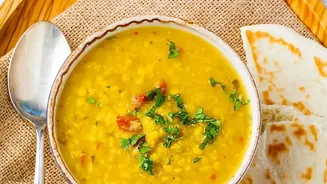
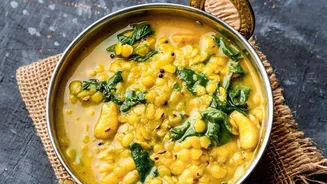
The solution isn't to abandon traditional Indian cuisine, but to make intelligent substitutions. The goal is to replace refined carbs with complex carbohydrates, which are high in fibre and release sugar into the bloodstream more slowly. Simple swaps can make a huge difference. Opt for brown rice or millets like jowar, bajra, and ragi instead of white rice. Use whole wheat flour (atta) for rotis and avoid maida. For breakfast, consider dal-based options like moong dal chilla instead of grain-heavy dishes. These whole grains not only help in managing blood sugar but also provide essential vitamins and minerals.
Rebalancing Your Thali for Better Health
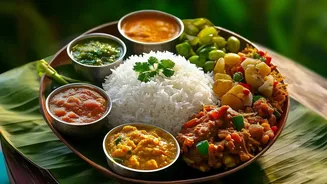
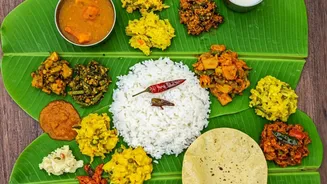
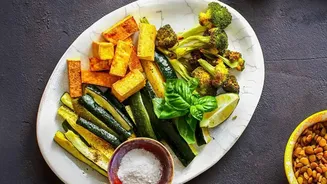
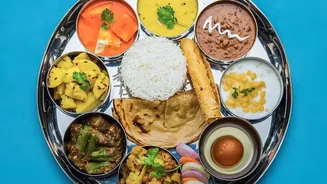
A balanced vegetarian thali is key to mitigating diabetes risk. A practical approach is the 'plate method': fill half of your plate with non-starchy vegetables like spinach, okra, or cauliflower. One quarter should be dedicated to protein, such as a generous katori of dal, paneer, tofu, or sprouts. The final quarter can be for carbohydrates, preferably a controlled portion of whole grains like a single millet roti or a small serving of brown rice. By eating your protein and vegetables before the carbohydrates in a meal, you can also help flatten the post-meal glucose spike.