





A Nationwide Connectivity Overhaul
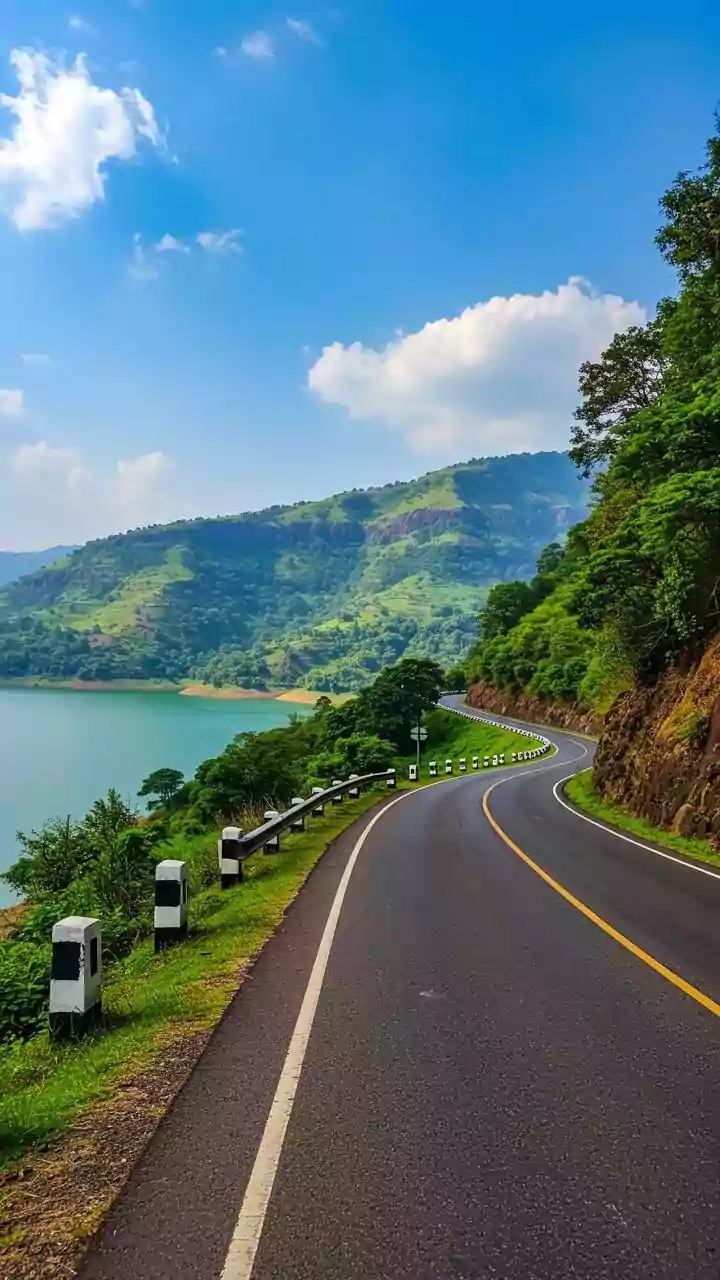
India is in the midst of an unprecedented infrastructure boom aimed at improving mobility and driving economic growth. At the heart of this transformation are several flagship government initiatives. The Bharatmala Pariyojana is enhancing the national
highway network, constructing economic corridors and improving last-mile road access to hundreds of districts. Complementing this is the UDAN (Ude Desh ka Aam Naagrik) scheme, which is making air travel more affordable and accessible by developing regional airports and connecting underserved towns. Together with railway modernization and specialized tourism programs like the Swadesh Darshan and PRASHAD schemes, this new web of connectivity is systematically bringing once-remote locations into the mainstream tourism fold.
Pilgrimage on the Fast Track
Spiritual journeys that once required days of arduous travel are becoming significantly easier. The PRASHAD (Pilgrimage Rejuvenation and Spiritual, Heritage Augmentation Drive) scheme focuses specifically on developing infrastructure and amenities at major pilgrimage sites. Cities like Ayodhya, Varanasi, Puri, and Ujjain are experiencing comprehensive makeovers with upgraded road and rail links, new airports, and improved local facilities. For instance, the development of corridors like the one proposed between Ayodhya and Varanasi aims to slash travel time and create new economic opportunities along the route. This focus isn't limited to one region; from temple towns in Southern India like Tirupati and Madurai to Shirdi in the west, better connectivity is enabling more pilgrims to visit and enhancing their overall experience.
Unlocking Hidden Heritage
Beyond the major monuments, India is home to countless lesser-known historical and cultural sites. The Swadesh Darshan scheme, initially launched with thematic circuits like the Buddhist, Heritage, and Sufi circuits, aims to develop these locations in an integrated manner. The latest version, Swadesh Darshan 2.0, has adopted a more destination-centric approach, focusing on sustainable and responsible tourism development at specific sites. In states like Uttar Pradesh, a deliberate effort is underway to develop tourism beyond established hubs. Sites such as the birthplace of Munshi Premchand near Varanasi or the ancient Bateshwar temples in Agra district are being equipped with visitor facilities and linked to larger tourist routes, encouraging travellers to explore more deeply and spend more time in the region.
Bringing Wildlife and Eco-Tourism Closer
Improved connectivity is also opening up India's rich natural heritage. The UDAN scheme has been instrumental in launching flights to smaller airports near national parks and eco-sensitive zones, particularly in the Northeast, which has seen a boost in tourism thanks to better air links. The Swadesh Darshan scheme includes specific circuits for wildlife and eco-tourism, providing funds to develop infrastructure in and around these natural habitats. This makes it easier for nature lovers and wildlife enthusiasts to access remote reserves. This accessibility, combined with digital platforms and a growing network of homestays, is creating new opportunities for local communities to benefit from a rising interest in responsible and nature-based travel.
The Challenge of Sustainable Growth
While enhanced connectivity brings undeniable economic and social benefits, it also presents significant challenges. The very act of building roads and airports can lead to habitat fragmentation, which threatens biodiversity and disrupts delicate ecosystems. An influx of tourists into previously remote and fragile areas raises the risk of over-tourism, straining local resources and potentially damaging the cultural or natural heritage that attracts visitors in the first place. Experts warn that development must be balanced with conservation. This requires robust environmental impact assessments, scientific planning based on the ecological carrying capacity of a destination, and involving local communities to ensure that tourism growth is both sustainable and equitable. The long-term success of this connectivity push will depend on protecting these treasures, not just reaching them.