



A Diplomatic Lifeline
The Samjhauta Express began its journey on July 22, 1976, a direct outcome of the Shimla Agreement signed four years earlier by Prime Minister Indira Gandhi and Pakistan's Zulfikar Ali Bhutto. The agreement sought to normalise relations after the 1971
war, and the train was its most visible symbol. Initially running daily between Amritsar and Lahore, a distance of about 50 kilometres, it was a crucial artery for people-to-people contact. The name itself, 'Samjhauta,' translates to 'agreement' or 'accord' in both Hindi and Urdu, embedding its diplomatic purpose into its very identity. For thousands of families separated by Partition, this service was not just a convenience but an emotional lifeline, a way to reunite with loved ones, attend weddings, and maintain cultural ties that political borders could not erase.
A Journey of Two Halves
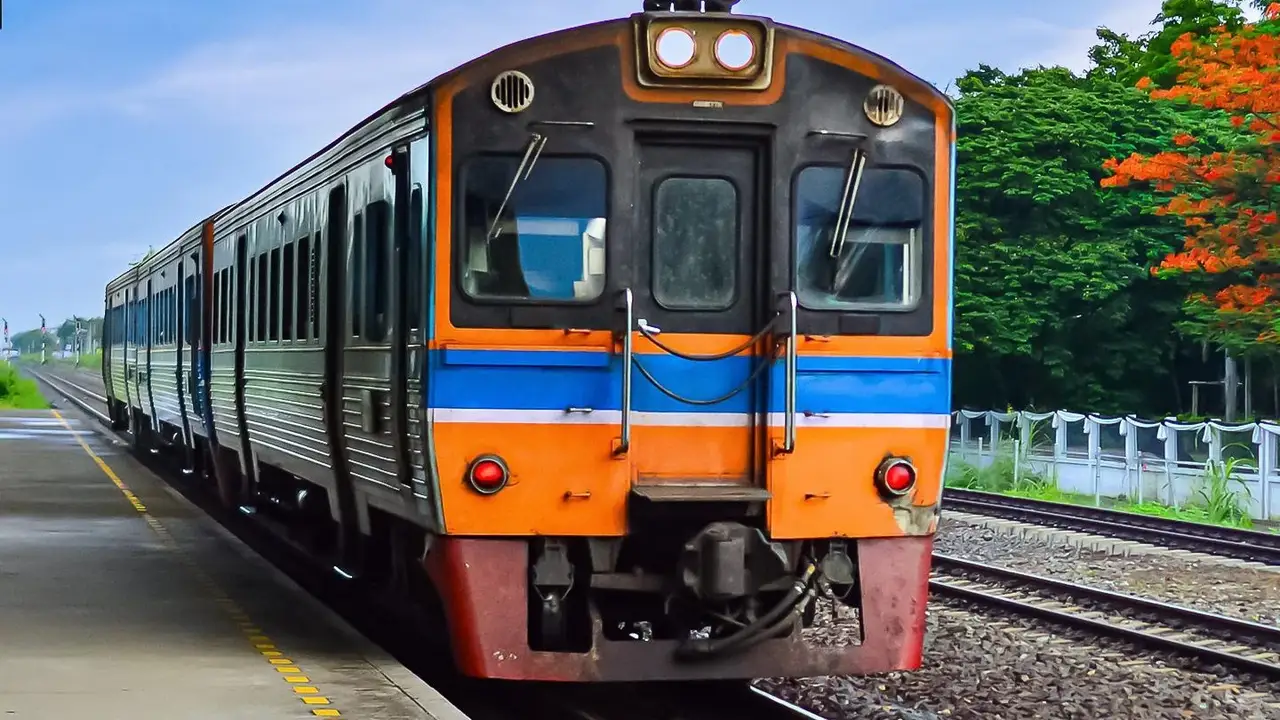
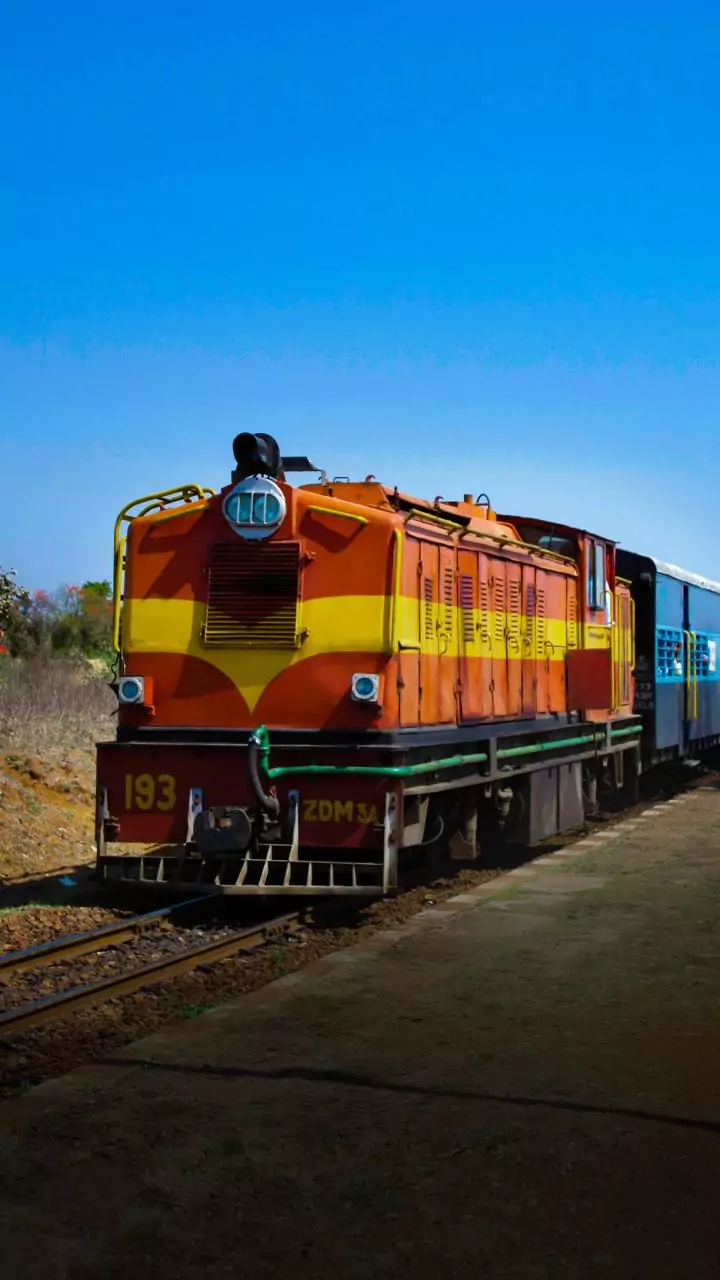
The journey was unique. In India, the train was officially known as the Delhi-Attari Express. Passengers would travel to Attari, the last station on the Indian side, for immigration and customs checks. From there, they would board the Pakistan Railways rake for the short, final leg across the Wagah border to Lahore. This cross-border ritual, with rakes and locomotives often swapped between the two countries every six months, was a small but powerful act of bilateral cooperation. While initially a daily service, it was changed to a bi-weekly schedule in 1994. Despite the political climate, which often swung between tense and cautiously optimistic, the train was, for a long time, the most reliable and affordable link for ordinary citizens of both nations.
A Target of Terror
The train's symbolic power also made it a target. On February 18, 2007, tragedy struck when bombs exploded in two carriages as the train passed near Panipat in Haryana. The terrorist attack resulted in a devastating fire, killing 70 people, most of whom were Pakistani civilians. Investigators found undetonated improvised explosive devices in suitcases, revealing a deliberate plot to inflict mass casualties. The attack was widely condemned as an attempt to derail the fragile peace process between India and Pakistan. It was a horrific reminder that the journey towards peace was as vulnerable as the passengers who put their faith in it. The bombing left an indelible scar on the train's history, transforming a symbol of hope into a site of profound loss.
The End of an Era
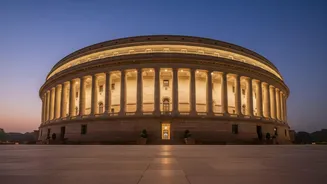
The Samjhauta Express was no stranger to suspensions. Services were halted after the 2001 attack on the Indian Parliament and again following the assassination of Benazir Bhutto in 2007. However, the final chapter began in 2019. Service was briefly suspended in February of that year amid rising tensions, with both countries citing security and operational issues. Though it resumed briefly, the decisive end came on August 8, 2019, when Pakistan permanently suspended the service following the Indian government's revocation of Article 370 in Jammu and Kashmir. India cancelled its connecting service days later, bringing the 43-year-old rail link to a silent, indefinite halt.