


Goodbye to the One-Time Wear
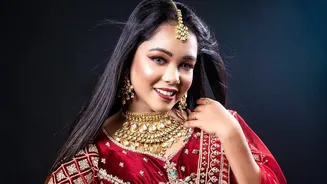
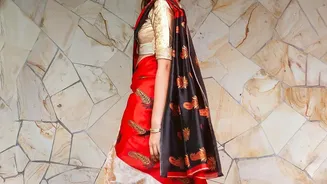
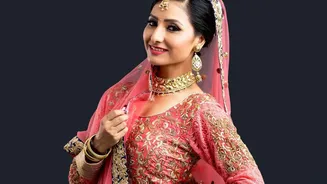
For generations, Indian festive dressing often meant investing in elaborate, heavy outfits—think intricate lehengas or sarees—designed for a single grand occasion like a wedding or Diwali. While stunning, these pieces often spent the rest of their lives
in a closet. Today’s young, pragmatic shoppers, heavily influenced by global trends and economic sense, are rejecting this model. They are leading a shift away from single-use glamour toward a more functional, modern wardrobe. The demand is now for pieces that offer value beyond one event, driven by a mindset that values re-wearability and personal style over prescribed tradition.
The Power of Separates
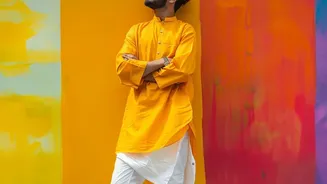
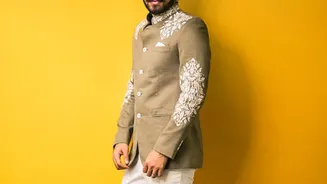
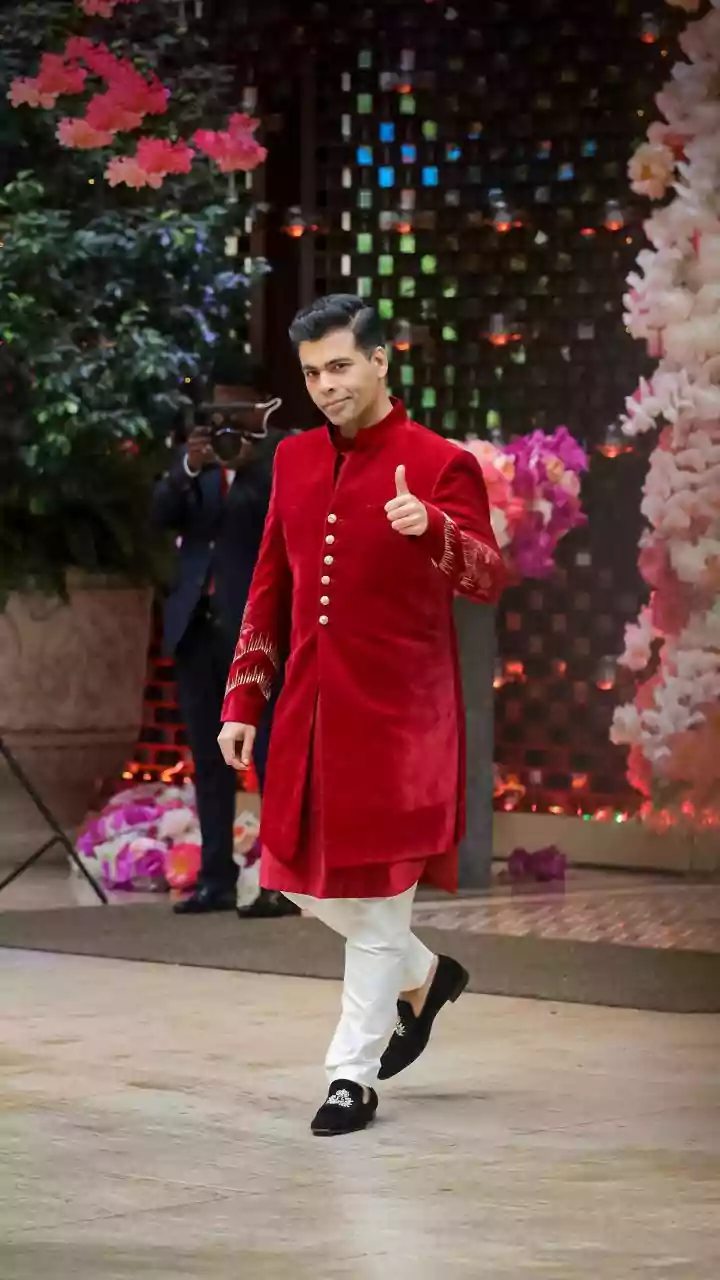
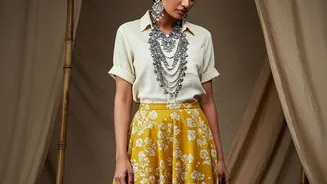
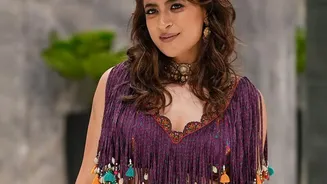
The most significant change is the pivot to separates and modular dressing. Instead of buying a complete, unchangeable set, young Indians are purchasing individual components: a statement blouse, a draped skirt, dhoti pants, or an embroidered jacket. This mix-and-match approach is the heart of the new versatile wardrobe. A heavily embroidered corset top, for example, can be paired with a traditional lehenga skirt for a wedding, styled with tailored trousers for a cocktail party, or even worn with jeans for a high-fashion fusion look. This gives them the freedom to create multiple unique outfits from a smaller collection of high-quality pieces, stretching their investment and their creativity.
Blurring the Lines: Indo-Western Fusion
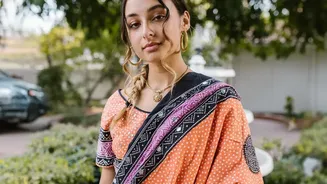
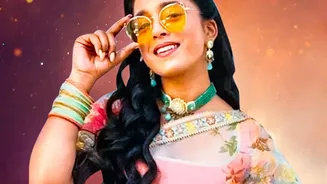
This trend isn't just about remixing traditional wear; it’s about blending it seamlessly with Western silhouettes. So-called Indo-Western or fusion wear has become the go-to for many. Think pre-draped sarees that are easy to wear, jumpsuits with ethnic prints, or traditional kurtas paired with denim jackets. Designers are responding with innovative pieces like sheer cape-style pant sets and minimalist Anarkali gowns that feel at home at both a family puja and a Sunday brunch. This hybrid style allows for a fluid transition between occasions, reflecting the globalized lives of young Indians who navigate multiple cultural contexts daily.
A Conscious and Digital Closet
Underpinning this shift is a set of values dear to Gen Z and young millennials. Sustainability is a major driver; buying fewer, more versatile pieces is an inherent rejection of the wastefulness of fast fashion. There's a growing preference for eco-friendly and handwoven fabrics like organic cotton and Khadi, which align with both environmental concerns and a desire for authenticity. Furthermore, in the age of Instagram, the pressure to have a new outfit for every post is real. Versatile separates offer a clever solution: by restyling pieces, shoppers can achieve a fresh look without the cost or clutter of a constantly expanding wardrobe.