




Why Peppermint Works
Peppermint’s power comes from menthol, its primary active compound. Menthol creates a cooling sensation by activating specific cold-sensing receptors in the skin. This is why it feels so relieving on a tension headache, sore muscles, or itchy skin. A
compress, which is simply a cloth soaked in an herbal infusion, is an effective way to apply this benefit to a targeted area. The cooling effect can help reduce skin irritation, calm itchiness, and provide a welcome distraction from minor aches and pains.
The Number One Risk: Skin Irritation
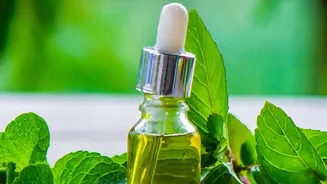
Peppermint essential oil is highly concentrated. Applying it directly to the skin without diluting it first is a recipe for trouble. Undiluted peppermint oil can cause redness, a burning sensation, rashes, and contact dermatitis. The menthol that provides the cooling feeling is the very same component that can cause significant irritation if the concentration is too high. This is not an ingredient where 'more is better'. The goal is a gentle, therapeutic effect, not a chemical burn. Even when diluted, some people may have an allergic reaction.
The Golden Rule: Always Dilute
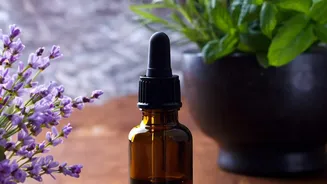
You should never apply peppermint essential oil directly to your skin. It must be diluted in a 'carrier oil'—a neutral, plant-based oil that helps safely deliver the essential oil. Good options include jojoba, fractionated coconut, sweet almond, or even olive oil. A safe dilution for general adult use on the body is between 1% and 2%. A 1% dilution is about 6 drops of essential oil per 30 ml of carrier oil. For the face or sensitive skin, the concentration should be even lower, between 0.2% and 0.5%. Remember, water is not a carrier; oil and water do not mix, so adding essential oil to plain water will result in droplets of concentrated oil sitting on the skin.
How to Make a Safe Peppermint Compress
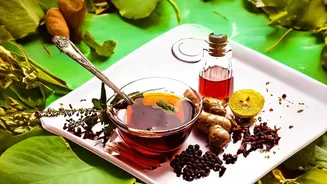
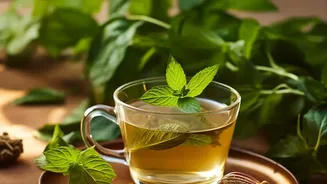
There are two main ways to prepare a compress. The first method uses dried peppermint leaves to make a strong tea. Steep about 3 to 4 tablespoons of dried peppermint leaf per cup of hot water for at least 20-30 minutes, covered. Once the infusion has cooled, soak a clean cloth in the liquid, wring it out, and apply. The second method uses essential oil. First, prepare your diluted oil by mixing 6 drops of peppermint essential oil into 30 ml of a carrier oil like jojoba. Separately, grab a bowl of cold water and a clean washcloth. Soak the cloth, wring it out, and then sprinkle a few drops of your pre-diluted oil mixture onto the damp cloth before applying it to the skin.
Always Do a Patch Test
Before applying any new preparation to a large area of skin, it's critical to perform a patch test to check for sensitivity or allergic reactions. Apply a small amount of your prepared peppermint infusion or diluted oil to a discreet patch of skin, like your inner forearm. Wait for 24 hours. If you experience any redness, itching, burning, or other signs of irritation, do not use the preparation. This simple step can save you from widespread discomfort.
Who Should Avoid Peppermint Oil
Peppermint oil is not for everyone. It should never be applied to the face or chest of infants or young children, as inhaling the potent menthol can cause serious breathing problems. People with certain health conditions, such as GERD, gallbladder issues, or a hiatus hernia, may be advised to avoid peppermint oil. It can also interfere with medications for conditions like diabetes or high blood pressure. If you have sensitive skin, rosacea, or are pregnant or breastfeeding, it's best to consult with a healthcare provider before using peppermint oil topically.