



The Birth of the 'Agreement Express'
The story of Attari station in the modern era is inseparable from the Samjhauta Express, or the 'Agreement Express'. Born from the 1972 Shimla Agreement signed by Indira Gandhi and Zulfikar Ali Bhutto, the train was a tangible effort to mend ties after
the 1971 war. The service officially began on July 22, 1976, initially running between Amritsar and Lahore to connect families divided by Partition. The name itself, meaning 'agreement' or 'compromise' in both Hindi and Urdu, symbolised its mission: to foster people-to-people contact and serve as a rolling emblem of peace. In its early days, it was a daily service, a simple and powerful link between two nations with a shared, complex past.
Attari: The Gateway and The Guard
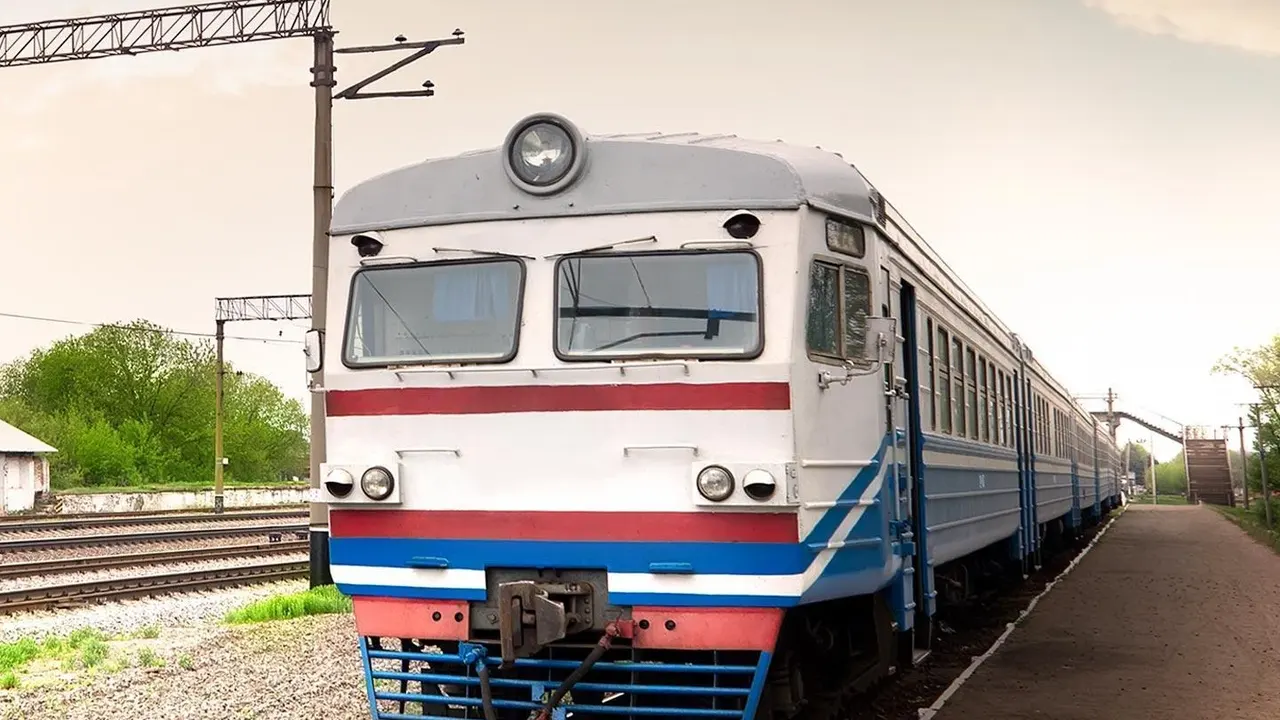
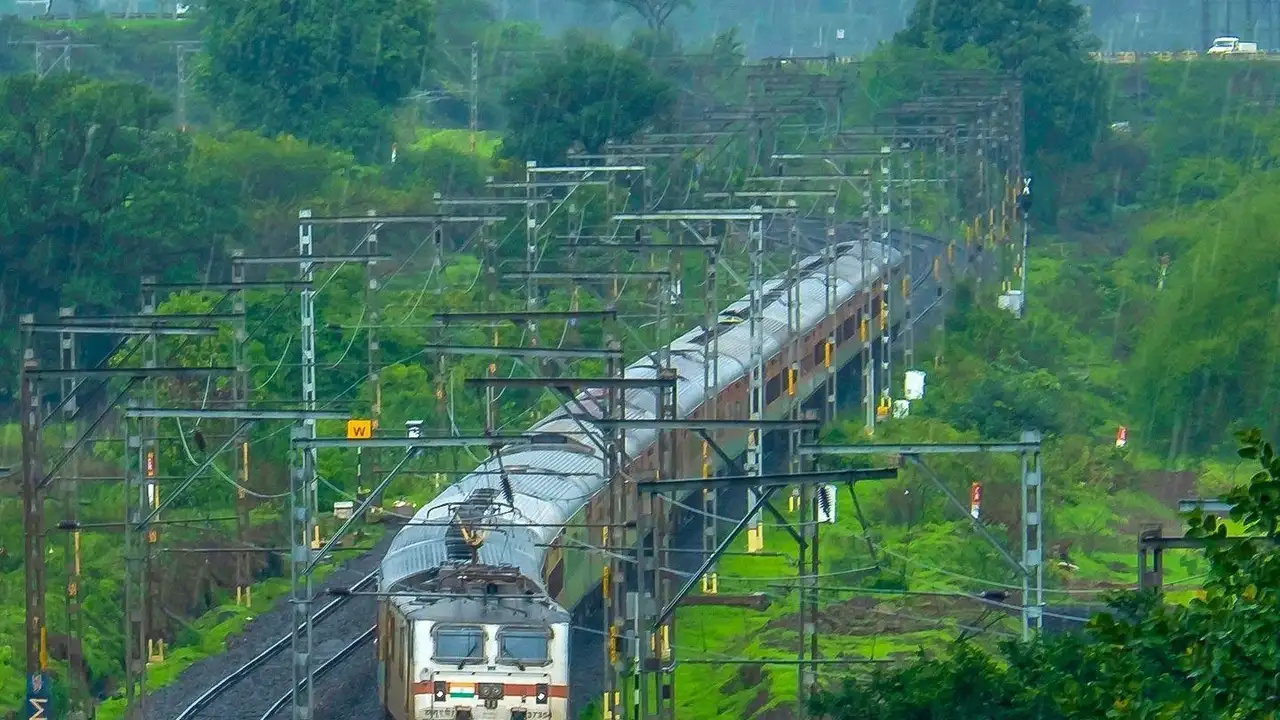
As political disturbances grew in the late 1980s, security concerns prompted a change. The Indian leg of the service was terminated at Attari, the last railway station on the Indian side of the border. This transformed Attari from a transit point into a critical geopolitical checkpoint. The station became a theatre of bureaucracy and emotion. Passengers arriving from Delhi on the Delhi-Attari Express would disembark here for extensive customs and immigration checks before boarding the actual Samjhauta Express for the short, three-kilometre journey to Wagah in Pakistan, and then onward to Lahore. The station was a place of heightened security, where passports and visas were essential just to enter, and every piece of luggage was scrutinised, reflecting the constant vigilance required at an international border.
A Lifeline on a Volatile Border
The train's journey was a barometer of India-Pakistan relations. It was frequently the first casualty of diplomatic freezes. The service was halted for the first time in January 2002 following the terror attack on the Indian Parliament but resumed in January 2004 as peace talks restarted. Each suspension and resumption was a headline, a political statement that directly impacted thousands who relied on it to meet relatives. For them, Attari station was a place of long waits, uncertainty, and the profound relief of seeing the train finally cleared to proceed. It operated as a bi-weekly service for much of its life, a consistent, if sometimes tenuous, link for divided families.
Tragedy on the Tracks
The darkest day in the train's history came on February 18, 2007. A terrorist attack involving bomb blasts and a subsequent fire occurred on the train after it passed Diwana station near Panipat, Haryana. The attack on the Delhi-Attari Express killed 70 people, the majority of whom were Pakistani civilians, along with some Indian citizens and railway policemen. Investigators found suitcases packed with explosives and flammable materials. The attack was widely seen as an attempt to derail the peace process between the two nations, occurring just a day before Pakistan's Foreign Minister was due in New Delhi for talks. While the unaffected carriages eventually continued to Attari, the incident cast a long shadow, leading to even stricter security protocols at the station. In 2019, a special court acquitted all four individuals accused in the case, citing a lack of evidence.
The End of an Era
The train's service became increasingly sporadic in its final years. It was briefly suspended in February 2019 following the Pulwama terror attack and subsequent India-Pakistan military standoff. The final curtain fell on August 8, 2019, when Pakistan permanently suspended the service following India's revocation of Article 370 in Jammu and Kashmir. India followed suit, citing the suspension from Pakistan's side and a sharp decline in passengers. The last trains crossed the border amidst high tension, with Pakistan's crew refusing to enter India at one point, requiring an Indian engine and crew to retrieve the train from the Wagah border. Attari station, once bustling with passengers twice a week, fell silent.
Attari Station Today: A Place of Memory
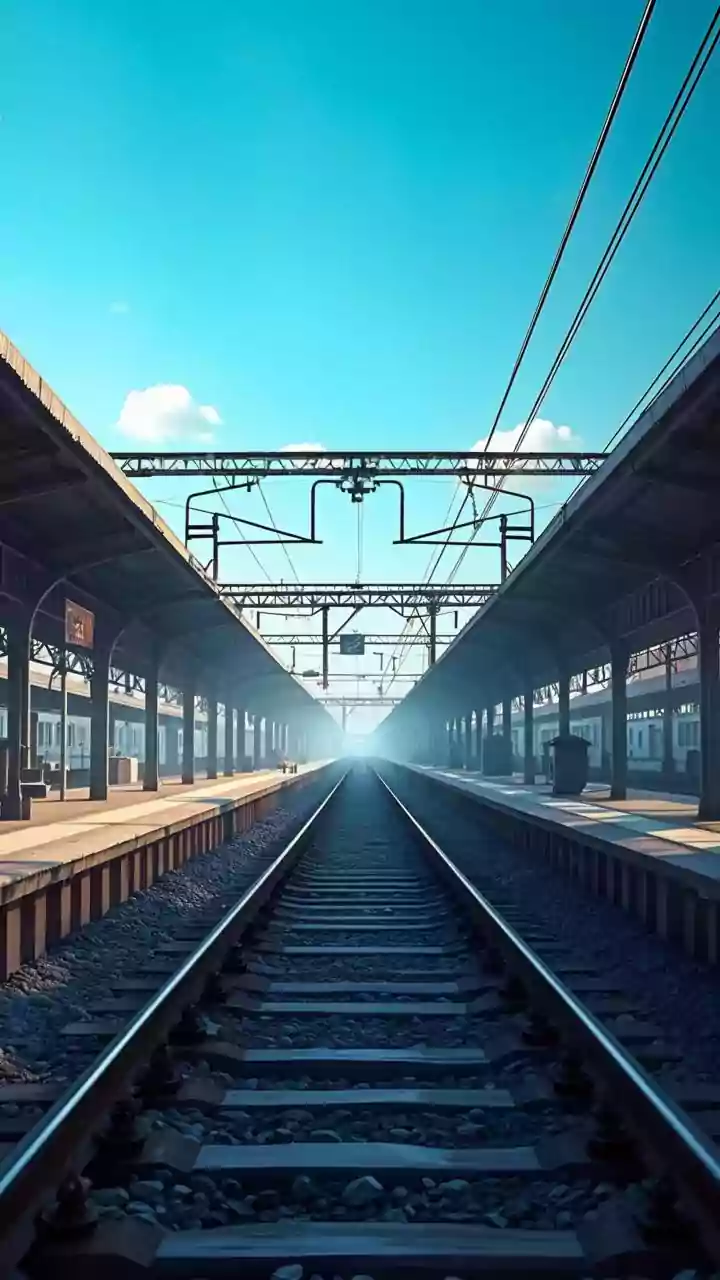
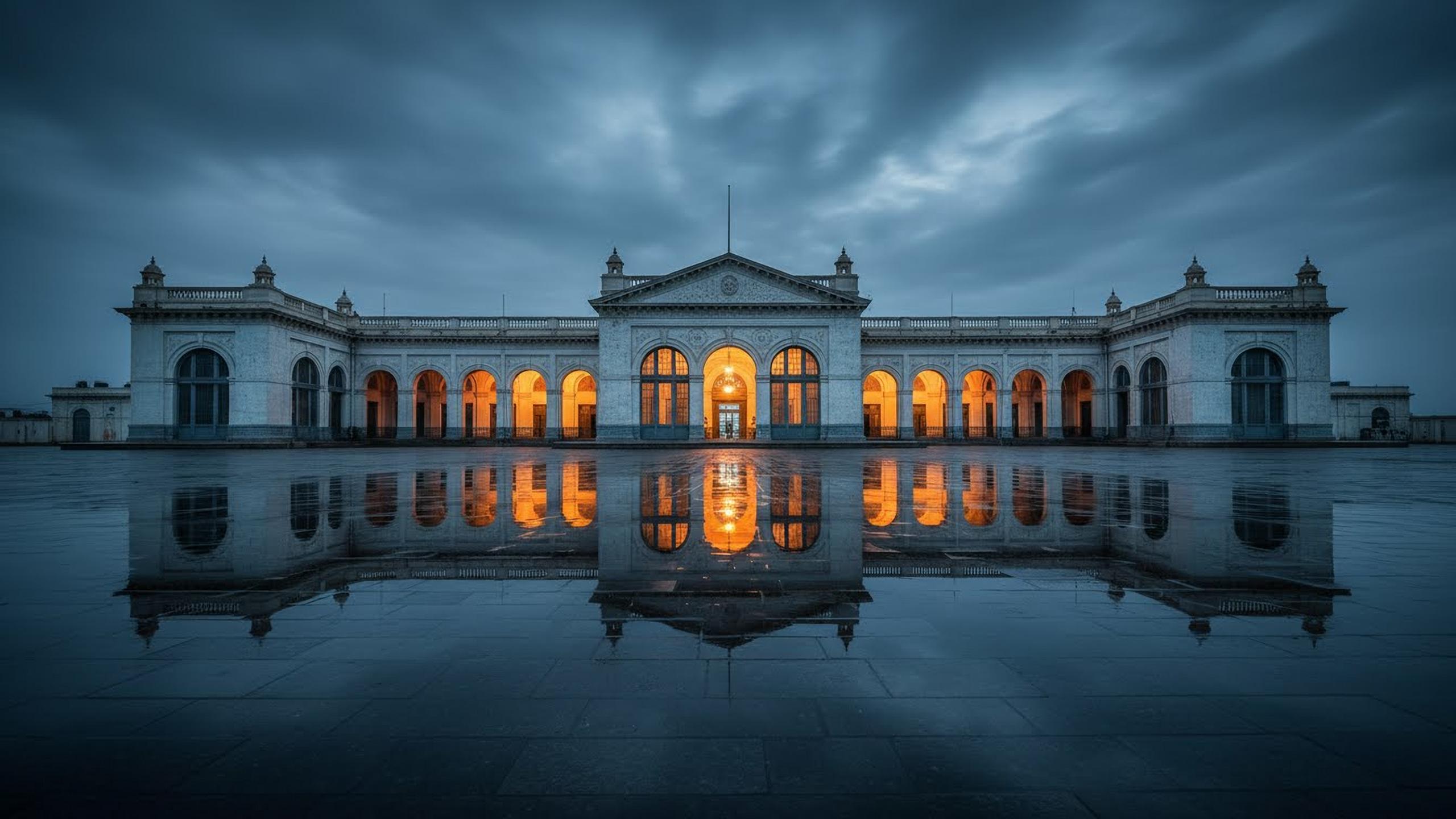
Today, Attari railway station is a quiet relic of a bygone era of diplomacy. It remains a high-security zone, a place where a passport and visa are still required for access, but the platforms are mostly deserted. The immigration halls that once processed hundreds of hopeful and tearful passengers now stand empty. The tracks that carried the 'Peace Train' are still there, a physical reminder of a connection that once was. The station's significance has shifted from being an active gateway to a historical monument, embodying the complex legacy of the Samjhauta Express—a powerful symbol of both the enduring human desire for connection across borders and the political realities that can so easily sever it.