









The Thirst Behind the Technology
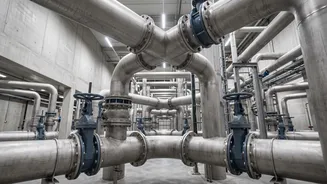
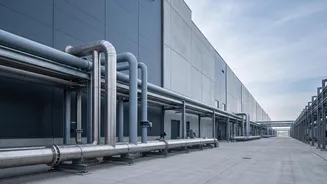
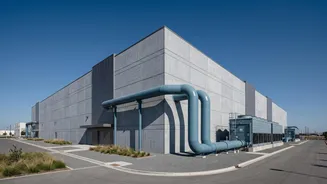
Every time you use an AI chatbot or generate an image, powerful servers inside a data centre spring to life. These servers, packed with high-performance chips, generate an enormous amount of heat. To prevent them from overheating and failing, they need
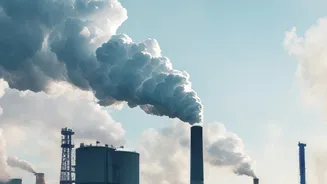
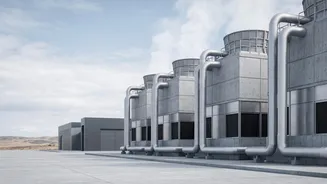
constant cooling, and the most common and energy-efficient method involves water. This process, known as evaporative cooling, works much like human sweating. Hot air from the servers is cooled by water, which then evaporates, carrying the heat away. While effective, it means that a significant portion of the water used is lost to the atmosphere, creating a constant and massive demand for fresh supply.
Understanding the Scale of Consumption
The numbers are staggering. A single large data centre can use up to 18.9 million litres of water per day, comparable to the water needs of a small city of 50,000 people. Globally, tech giants have reported sharp increases in their water usage. Microsoft’s water consumption, primarily for data centres, grew by 34% in one recent year, while Google’s saw a 20% jump. It's not just the direct water used for cooling. There is also an indirect water footprint from the thermoelectric power plants that supply the enormous amount of electricity these facilities require. Even the manufacturing of a single microchip consumes thousands of gallons of ultra-pure water.
The Indian Context: A Looming Challenge
For India, this global trend presents a unique and urgent challenge. The country is in the midst of a data centre boom, with investments from global tech giants and domestic conglomerates pouring in. Projections show India’s data centre capacity could expand fourfold by 2030, with electricity demand rising to match. This rapid expansion is colliding with India's climate reality. In 2024-25, it's estimated that India's data centres consumed 150 billion litres of water, a figure projected to more than double by 2030. Alarmingly, many of these data centre hubs are located in cities like Mumbai, Chennai, and Hyderabad, and states like Rajasthan and Maharashtra, which are already grappling with severe water stress and depleting groundwater levels.
Competition for a Precious Resource
The core of the issue is that data centres are becoming a new, inflexible competitor for local water supplies, drawing from the same municipal systems, rivers, and aquifers that serve homes and agriculture. Unlike seasonal agricultural demand, a data centre's thirst is constant, running 24/7, which can disrupt the natural water balance, especially during droughts. In places like Thane, residents have already protested proposed data centres, fearing the strain on water and power. The concern is that without clear policy and regulation, this new industrial demand will come at the expense of basic community needs, potentially leading to water rationing and further stress on already strained ecosystems.
The Search for Sustainable Solutions
The industry is not blind to the problem. Tech companies are actively exploring more sustainable solutions. Microsoft has announced that its newest AI data centres use no water for cooling during normal operations. Innovations include closed-loop cooling systems that recycle water instead of letting it evaporate, and direct liquid cooling, where servers are submerged in a non-conductive fluid. There's also a strong push towards using alternative water sources, such as treated wastewater, instead of potable water. For India, mandating the use of treated wastewater could turn a potential crisis into an opportunity, creating a market for something the country struggles to manage while protecting its precious freshwater reserves. Other proposed solutions include mandatory water-use disclosure for operators and strategic site selection to avoid water-stressed regions.