





The Great Indian Vegetarian Paradox
For generations, a vegetarian diet has been associated with good health and piety in India. Rich in vegetables, lentils, and grains, it seems like the ideal way to eat. Yet, India is currently home to over 100 million people with diabetes, with millions
more in the pre-diabetic stage. This baffling situation is sometimes called the 'Indian vegetarian paradox': how can a population that widely follows a plant-based diet have such a high risk for a lifestyle disease like type 2 diabetes? The answer, experts say, lies not in vegetarianism itself, but in the composition and balance of what's on the modern Indian plate. The shift towards refined grains and away from traditional, high-fibre staples has had a significant impact on our collective metabolic health.
Why White Rice is a Major Concern
At the heart of the issue is polished white rice. A beloved staple, it forms the base of countless meals across the country. However, the process of milling white rice strips it of its fibre-rich outer layers, the bran and germ. What remains is mostly starch, which the body converts into glucose very quickly. This is measured by the Glycemic Index (GI), a scale of how rapidly a food raises blood sugar. White rice has a high GI, often ranging from 70 to over 90. When you eat a large serving of white rice, it can cause a sharp, sudden spike in blood sugar. Over time, these repeated spikes can strain the body's insulin response, contributing to insulin resistance and increasing the risk of developing type 2 diabetes. Studies have shown a strong link, particularly in South Asian populations, between high white rice consumption and an increased risk of diabetes.
It’s About the Whole 'Thali'
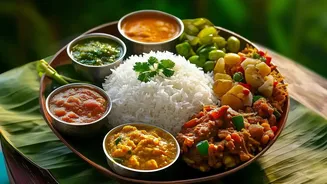
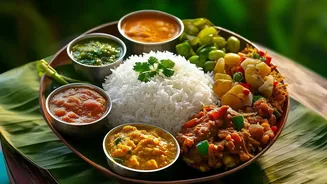
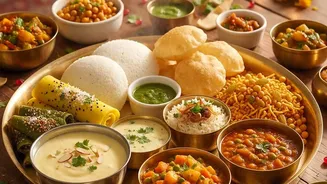
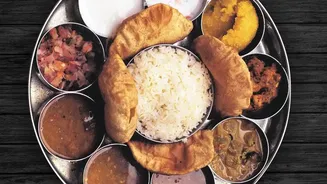
While rice is a major factor, it rarely acts alone. The problem is often a thali or plate that is heavily skewed towards carbohydrates. A typical meal might feature a large mound of rice, a couple of rotis (also a carbohydrate), and perhaps a potato-based sabzi, with only a small katori of dal and a limited serving of other vegetables. This combination delivers a massive carbohydrate load without enough protein or fibre to slow down digestion and buffer the blood sugar response. Protein and fibre are crucial because they slow down how quickly food leaves the stomach, leading to a more gradual release of glucose into the bloodstream. A meal that is low in protein and fibre but high in refined carbs creates the perfect storm for a post-meal glucose spike.
How to Build a Diabetes-Friendly Plate
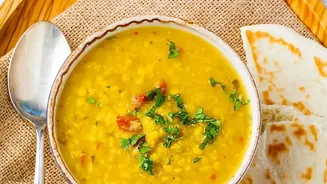
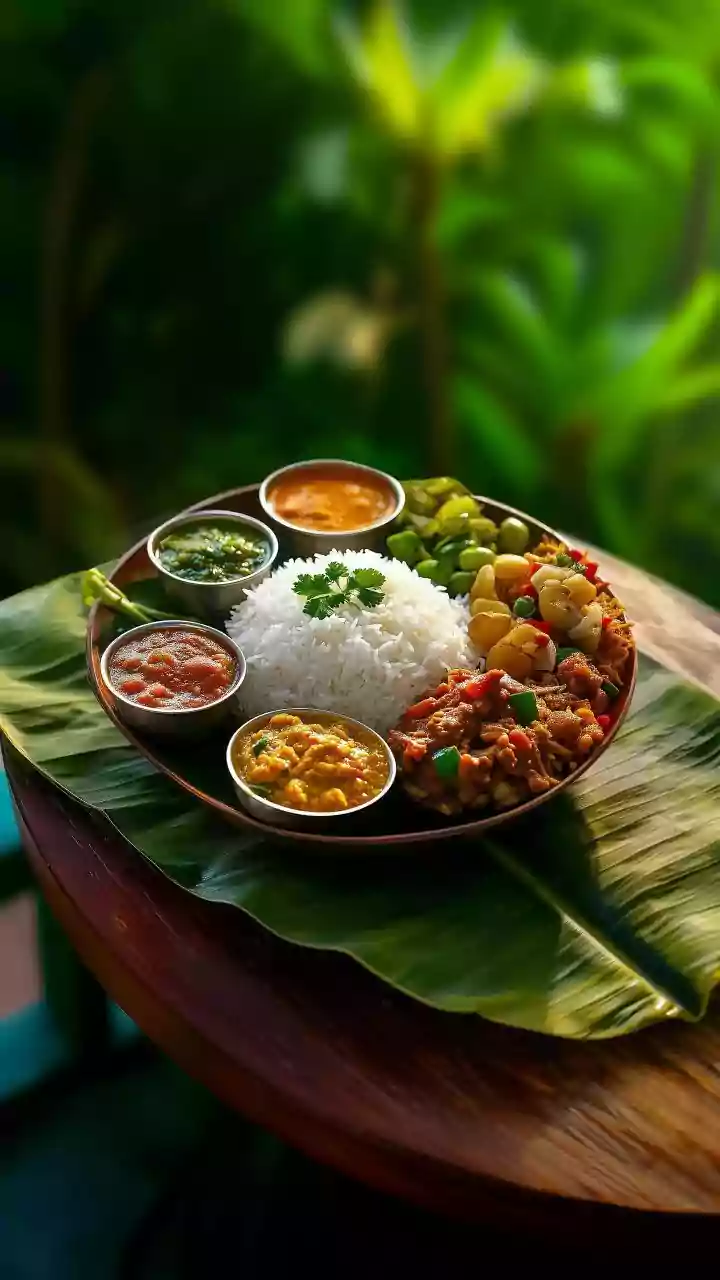
The good news is that you don't have to give up Indian food or even rice entirely. The key is rebalancing your plate and making smarter choices. The 'plate method' is a simple and effective guide: fill half your plate with non-starchy vegetables (like leafy greens, bhindi, lauki, or gobi). One-quarter of your plate should be dedicated to a quality protein source, such as a generous portion of thick dal, paneer, tofu, or sprouts. The final quarter is for your carbohydrate, which is where portion control for rice comes in. Aim for about half a cup of cooked rice, which is considered a standard serving.
Smart Swaps for a Healthier Meal
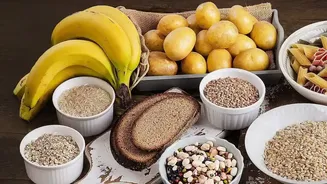
Beyond portion control, you can make simple swaps to lower the glycemic impact of your meal. Instead of polished white rice, consider alternatives like brown rice, which retains its fibre and has a lower GI. Traditional Indian millets like jowar, bajra, and ragi are also excellent high-fibre, low-GI choices. Even some varieties of rice, like red rice or certain types of Basmati, have a more favourable GI than standard white rice. Another powerful strategy is 'meal sequencing'. Try eating your salad and vegetables first, followed by your protein (dal/paneer), and eat your rice or roti last. This simple habit can significantly blunt the post-meal blood sugar spike.
The Bigger Picture: Beyond Rice
Managing diabetes risk is about more than just one food. Cooking methods matter; opt for steaming, roasting, or stir-frying over deep-frying to reduce excess fat intake. Limiting sugary drinks and ultra-processed snacks, which are often high in refined flours and sugar, is also critical. As per guidelines from the Indian Council of Medical Research (ICMR), a balanced diet and regular physical activity are the cornerstones of preventing and managing lifestyle diseases like diabetes. By making mindful choices about what goes on our plates and how we prepare it, we can enjoy the rich traditions of Indian vegetarian cuisine while safeguarding our long-term health.