


A Vision of Responsible Tourism
Kerala's journey into sustainable tourism wasn't an accident but a deliberate policy shift to address the downsides of a booming travel industry. By the early 2000s, concerns were growing over environmental damage, the unequal distribution of tourism revenue,
and the risk of cultural commercialisation. In response, the state launched its Responsible Tourism (RT) Mission, a groundbreaking initiative built on three pillars: economic, socio-cultural, and environmental responsibility. The core idea was to transform tourism from an extractive industry into a collaborative one, ensuring that local communities were not just passive bystanders but active stakeholders who received a fair share of the economic benefits. This model encourages tourism businesses to source products and services locally, from food and handicrafts to guides and cultural performances, thereby strengthening village economies.
The Evidence of Success
The RT Mission has substantial achievements to its name. It has received global recognition for its innovative approach, which empowers local communities, especially women, through entrepreneurship and employment. The model has successfully linked tourism with local livelihoods, creating opportunities in homestays, artisanal crafts, and traditional food services. This creates a direct economic pipeline into villages, reducing financial leakage and fostering more inclusive growth. For travellers, this translates into more authentic and meaningful experiences, from participating in traditional fishing to learning about local crafts directly from the artisans. The state's focus on empowering women through Kudumbashree units (self-help groups) within the tourism sector has also been a noted success, aligning its goals with sustainable development objectives.
Cracks in the Green Veneer
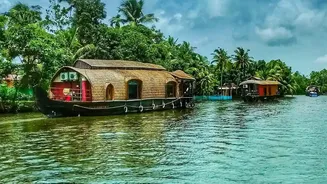
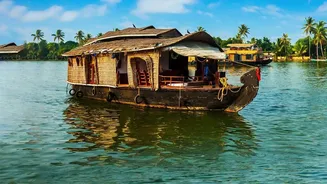
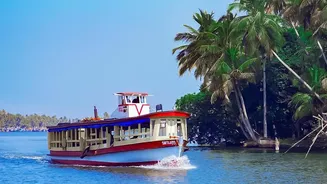
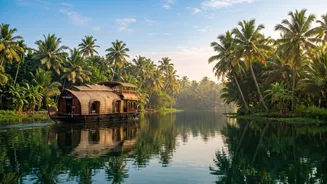
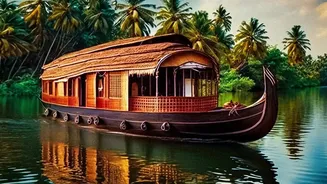
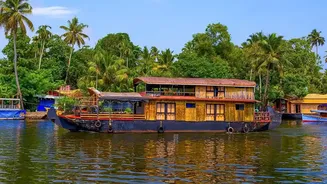
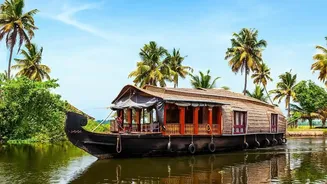
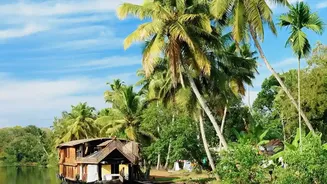
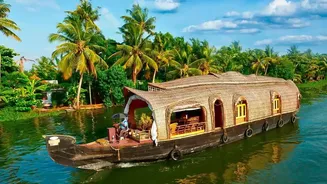
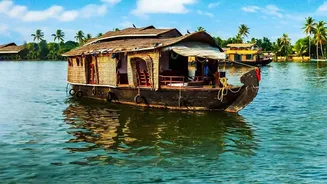
Despite its noble vision, the success of Kerala's tourism has created its own set of formidable challenges. The most visible problem is environmental degradation, particularly in the iconic backwaters. The explosion in the number of houseboats—many operating without proper licenses or waste management systems—has led to significant water pollution. Raw sewage and oil are often discharged directly into the water, threatening the fragile ecosystem and the health of local communities who depend on these waterways for drinking, cooking, and fishing. This pollution, combined with agricultural runoff and plastic waste, has jeopardised the very beauty that attracts tourists in the first place.
Overtourism and Its Consequences
Popular destinations like Munnar, Alleppey, and Kovalam are now grappling with overtourism. The sheer volume of visitors during peak seasons strains local infrastructure, leading to traffic congestion and pressure on natural resources. For local residents, the tourist boom can feel like an invasion. Communities have raised concerns about a loss of privacy, with houseboats mooring indiscriminately near homes, and the disruption caused by noise and tourist behaviour. The rapid growth has led some critics to argue that the focus has shifted back to visitor volume rather than sustainable practices, undermining the original principles of the RT Mission. This heavy reliance on seasonal tourism also makes local incomes unpredictable during the off-season.
The Path Forward: A Balancing Act
Recognising these challenges, Kerala's government is taking steps to mitigate the negative impacts. There is a push towards stricter enforcement of regulations for houseboats, including mandatory sewage treatment systems and a shift to solar power. More recently, in September 2026, the state announced the upcoming launch of a 'Green Marshals' initiative. Scheduled to roll out in October, this program will deploy trained personnel to monitor tourist spots, assist visitors, manage waste, and ensure safety, with a particular focus on the growing number of solo female travellers. These marshals are intended to provide an on-the-ground mechanism for destination management and environmental protection, addressing some of the critical gaps in the current system.