


An Unprecedented Decline
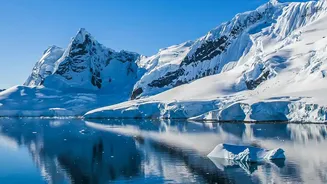
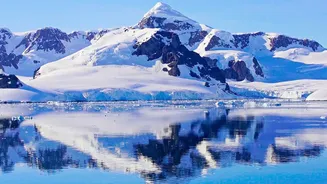
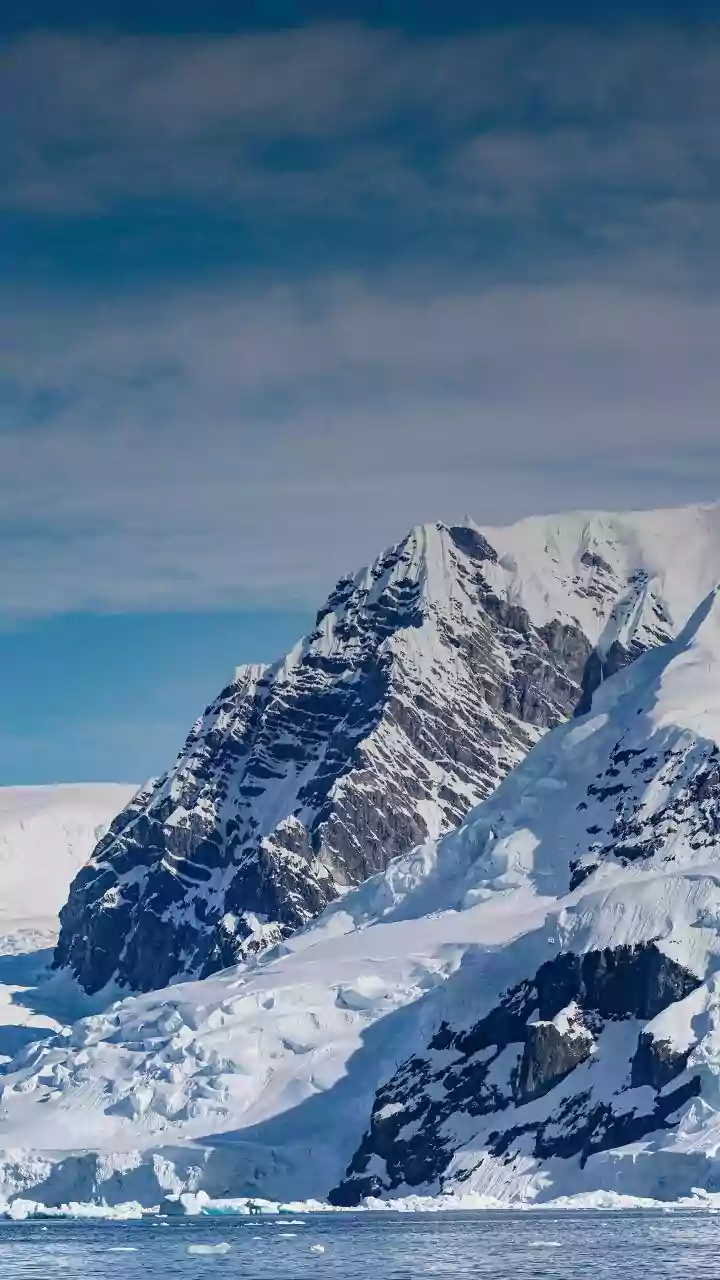
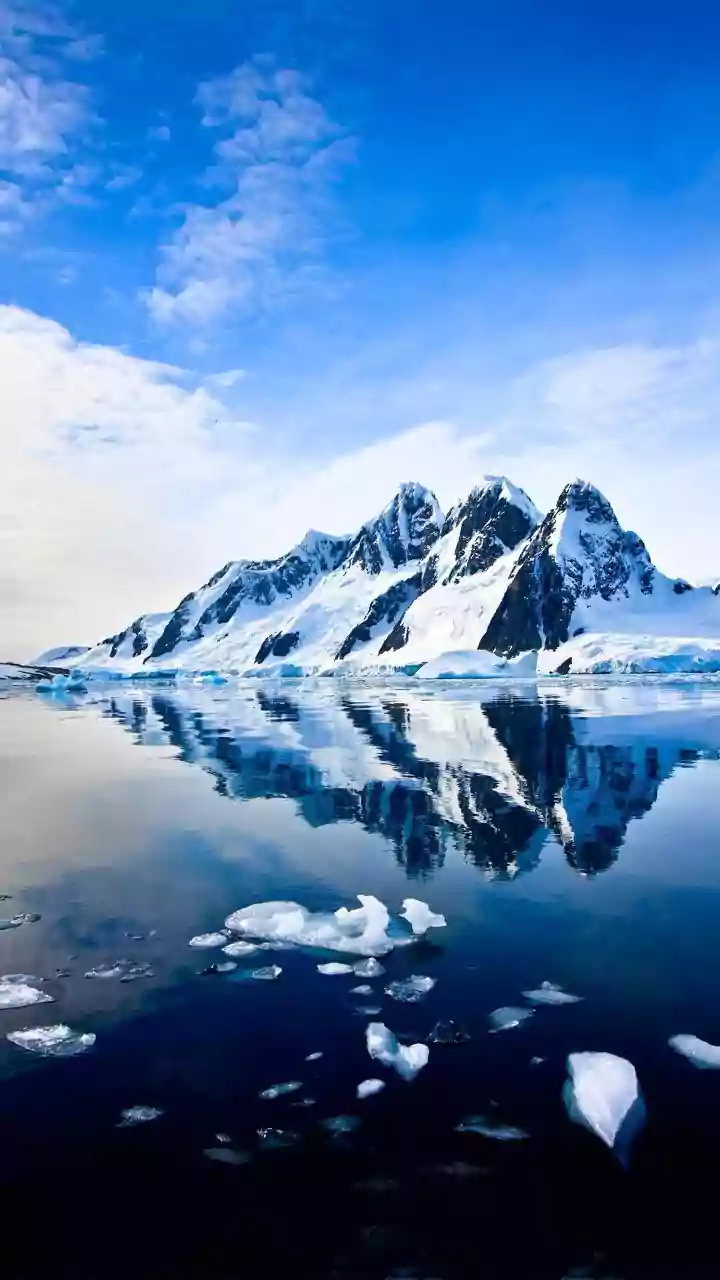
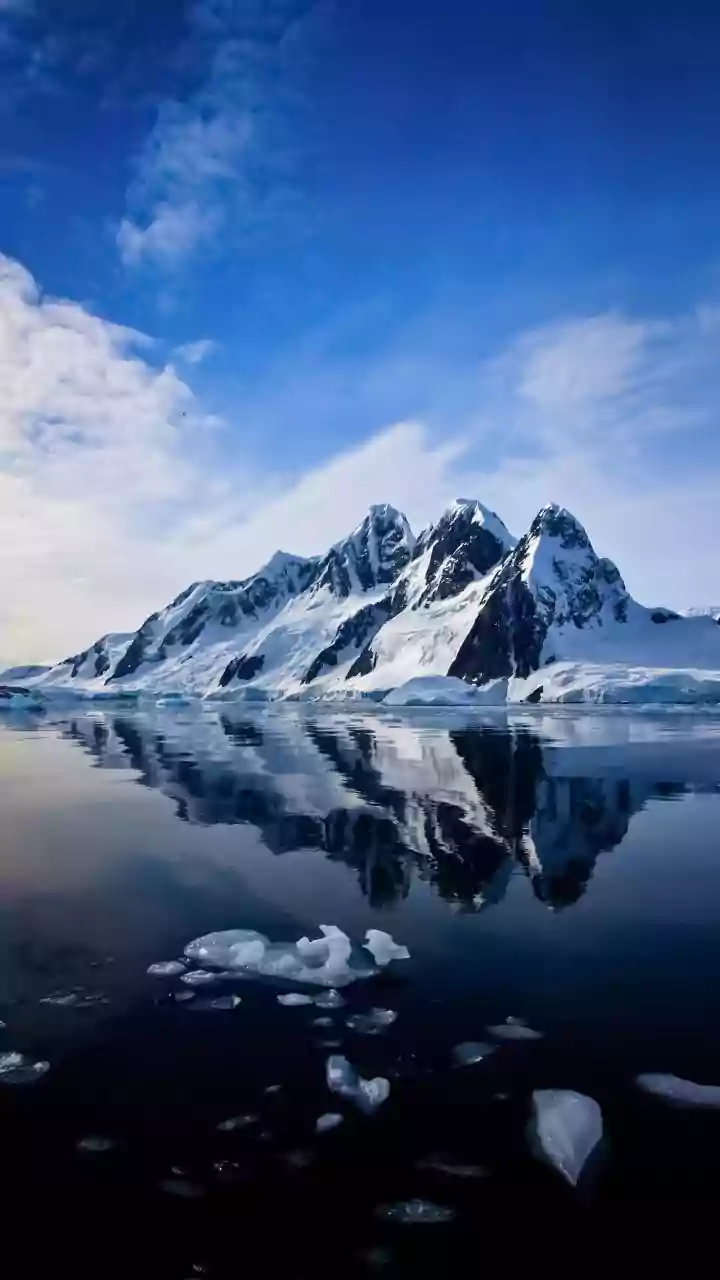
For decades, Antarctic sea ice, the frozen ocean water surrounding the continent, has followed a predictable rhythm, expanding in winter and shrinking in summer. However, scientists have now confirmed that the winter of 2026 marks the third-lowest sea ice maximum
since satellite records began in 1979. The four lowest winter peaks have all occurred in the last four years, signalling a significant and worrying shift in the continent's climate system. The missing ice covers an area roughly twice the size of Spain, leaving a vast expanse of dark ocean exposed that would normally be covered by reflective white ice. This isn't a one-off event anymore; experts suggest the system has fundamentally changed, likely driven by warmer ocean waters.
A Catastrophe for Emperor Penguins
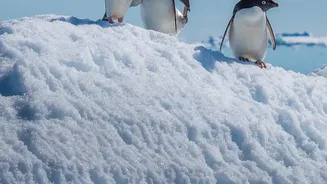
For emperor penguins, stable sea ice is a matter of life and death. They rely on these vast, solid platforms of 'fast ice'—ice attached to the coast—for crucial parts of their life cycle, including breeding, raising chicks, and moulting. The recent, premature breakup of this ice has led to what scientists call catastrophic breeding failures. In 2022, several colonies in the Bellingshausen Sea saw a total loss of sea ice, leading to the deaths of thousands of chicks that had not yet grown their waterproof feathers and likely drowned or froze. The problem now extends to adult penguins. During their annual moult, they lose their old feathers and are unable to enter the water to feed. When the ice beneath them disintegrates too early, they are forced into the frigid ocean without their protective layers, risking hypothermia.
Ice Shelves Left Exposed
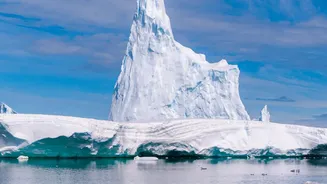
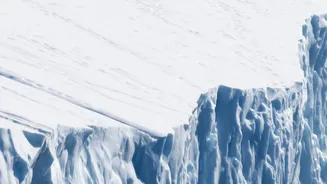
While melting sea ice doesn't directly raise sea levels because it's already floating, its absence has a dangerous knock-on effect. Sea ice acts as a protective buffer for the massive ice shelves that fringe the continent. These shelves are the floating extensions of land-based glaciers, and they act like a cork in a bottle, slowing the flow of ice from the continent into the ocean. Without sea ice, these vulnerable ice shelves are exposed to the full force of ocean waves and warmer surface waters. This constant battering can weaken the shelves, causing them to fracture and break apart, a process known as calving. The collapse of ice shelves, like the Larsen A and B shelves in 1995 and 2002, can lead to a rapid acceleration of glacier flow into the sea.
Why It Matters to India and the World
The changes in Antarctica might seem remote, but their consequences are global. The Antarctic ice sheet contains enough water to raise global sea levels by nearly 60 meters if it all melted. As ice shelves weaken and land-based glaciers accelerate their slide into the ocean, they become a primary driver of sea-level rise, threatening coastal communities worldwide, including India's extensive coastline. Furthermore, Antarctica plays a crucial role in regulating global climate. The vast white ice sheet reflects the sun's energy back into space, helping to cool the planet. As sea ice vanishes, the darker ocean absorbs more heat, creating a feedback loop that accelerates warming. Changes in the Southern Ocean can also disrupt major currents that transport heat and nutrients around the globe, affecting weather patterns far beyond the polar regions.