



The Inside Job: Powering Your Skin From Within
Your skin is your body's largest organ, and it constantly renews itself. The building blocks for this renewal come from the nutrients you consume. A diet lacking in essential fats, vitamins, and minerals can lead to a compromised skin barrier, resulting
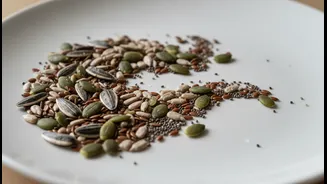
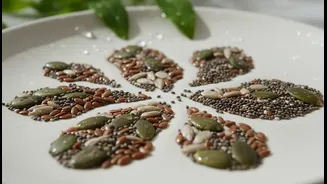
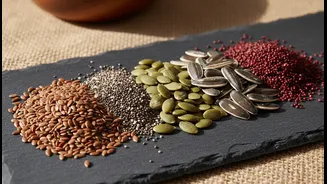
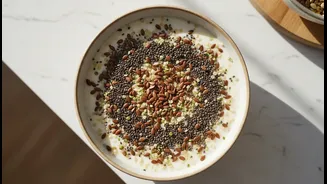
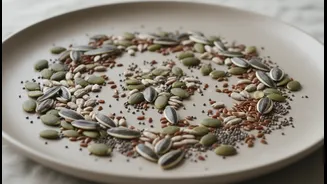
in dryness, sensitivity, and irritation. Seeds are nutritional powerhouses packed with skin-loving compounds. Flax, chia, sunflower, and pumpkin seeds are particularly beneficial. They are rich in omega-3 and omega-6 fatty acids, which are crucial for maintaining the skin's lipid barrier, locking in moisture, and calming inflammation. Zinc, abundant in pumpkin seeds, plays a key role in skin repair and controlling oil production, making it excellent for acne-prone skin. Sunflower seeds are a great source of Vitamin E, a potent antioxidant that protects skin cells from environmental damage and supports overall skin health. Incorporating just a spoonful or two of these seeds into your daily diet—in smoothies, salads, or oatmeal—provides a steady supply of the raw materials your skin needs to stay strong and resilient.
Your Skin's First Line of Defence
The skin barrier, or stratum corneum, is the outermost layer of your skin. Think of it as a brick-and-mortar wall: the skin cells are the 'bricks', and lipids (fats) like ceramides, cholesterol, and fatty acids are the 'mortar' holding them together. This barrier has two critical jobs: to keep moisture in and to keep harmful external factors like pollutants, bacteria, and irritants out. When this barrier is damaged—by factors like harsh weather, over-exfoliation, UV exposure, or strong soaps—it becomes weak and porous. This can lead to a host of issues, including dryness, redness, itching, increased sensitivity, and even breakouts. A compromised barrier loses water more easily, a process known as transepidermal water loss, leaving the skin dehydrated and vulnerable.
The Outside Job: Reinforcing the Barrier Topically
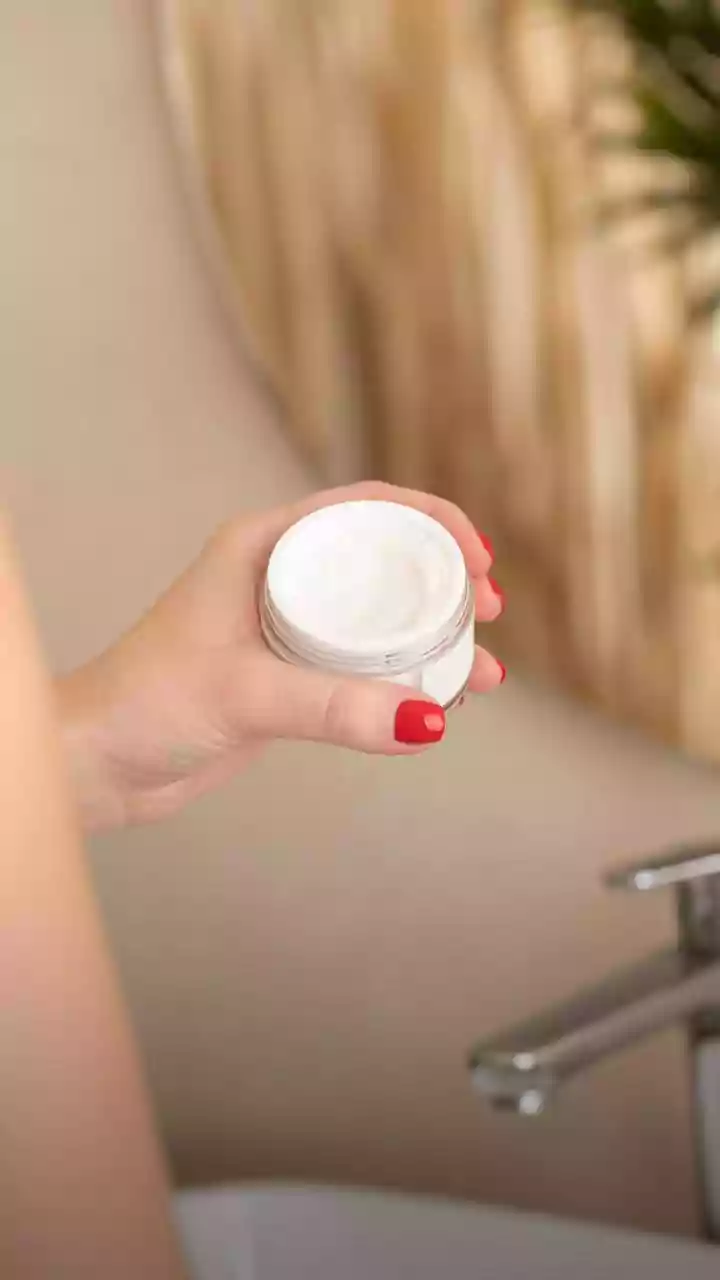
While nutrition builds a strong barrier from the inside, topical skincare helps protect and reinforce it from the outside. The goal is to use products that mimic and support the skin's natural structure. Ingredients like ceramides are fundamental, as they are a key component of the 'mortar' in your skin barrier, helping to rebuild its structure and lock in moisture. Hyaluronic acid acts as a humectant, drawing moisture into the skin to keep it hydrated and plump. When used together, hyaluronic acid provides the water, and ceramides ensure that water stays put. Other beneficial ingredients include niacinamide (Vitamin B3), which helps the skin produce more of its own ceramides, and fatty acids from plant oils like sunflower or jojoba oil, which replenish the skin's lipids and reduce inflammation. A gentle, consistent routine with these barrier-friendly ingredients can help repair damage and maintain a healthy, resilient surface.
A Two-Pronged Strategy for Radiant Skin
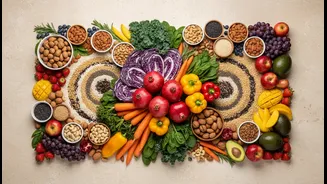
The most effective approach to skin health is not choosing between diet and skincare but embracing how they work together. The essential fatty acids and minerals from seeds provide your body with the internal resources to build strong cell walls and produce the lipids that form your skin barrier. This is the foundational work. Topical skincare then acts as the essential maintenance and protection crew. Applying products with ceramides, hyaluronic acid, and fatty acids directly supplements the barrier, helps it retain the hydration it needs, and protects it from daily environmental stressors. Think of it like building a house: your diet provides the high-quality bricks and mortar, while your skincare routine is the protective sealant on the exterior that shields it from the elements. One cannot fully compensate for a deficiency in the other. A nutrient-poor diet will make it difficult for any cream to work effectively, while a perfect diet still benefits from topical protection against sun and pollution.