




The Calorie and Density Question
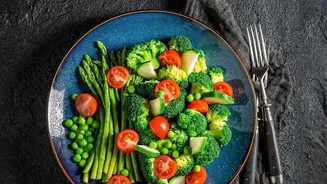
The simplest answer lies in energy density. Vegetables are famously high in water and fibre, which gives them volume, but they are generally low in calories. While the sheer bulk of a large salad can physically stretch your stomach, signalling fullness
initially, your body is smart. It recognises that it hasn't received enough energy (calories) to function for long, and soon it will trigger hunger signals again, seeking more substantial fuel. Think of it as filling your car's tank with a large volume of very low-octane fuel; the gauge might read full, but the engine won't run on it for long.
The Missing Macronutrients: Protein and Fat
Satiety, the feeling of being full and satisfied, is a complex process heavily influenced by macronutrients. Protein is widely considered the most satiating of the three macros. It takes longer to digest and has been shown to influence appetite-regulating hormones that tell your brain you've had enough. Similarly, healthy fats play a crucial role. Fat slows down gastric emptying, meaning the food stays in your stomach longer, promoting a sustained feeling of fullness. A meal consisting only of vegetables, which are naturally low in both protein and fat, simply won't have the same staying power as a meal that incorporates them.
The Gut-Brain Conversation
Your gut and brain are in constant communication through a network known as the gut-brain axis. When you eat, hormones like ghrelin (the 'hunger hormone') decrease, while satiety hormones like leptin increase, signalling to your brain that it's time to stop eating. A balanced meal containing protein, fat, and fibre triggers a robust and sustained release of these satiety hormones. A vegetable-only meal may not provide a strong enough signal. Furthermore, the entire process takes time—about 20 minutes for your brain to get the message that your stomach is full. If you eat quickly, you can easily consume a large volume before this signal even registers.
Physical vs. Psychological Hunger
Sometimes, the hunger you feel isn't purely physical. There's also psychological or emotional hunger, which can be driven by stress, boredom, or habit. This type of hunger often manifests as a craving for a specific type of food, usually something high in fat, salt, or sugar—rarely a plate of broccoli. A meal of vegetables, while physically filling, might not deliver the 'satisfaction factor'. This satisfaction comes from taste, texture, and aroma. A warm, savoury dish with varied textures is often more psychologically satisfying than a cold, raw salad, even if the calorie counts are similar. Honouring this need for pleasure in food is a key part of feeling truly content after a meal.
Building a Truly Satisfying Plate
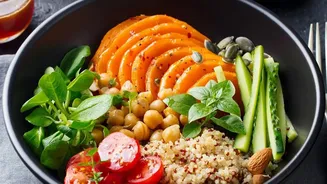
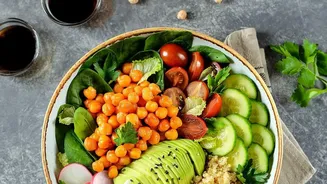
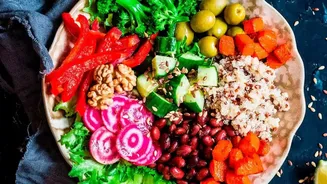
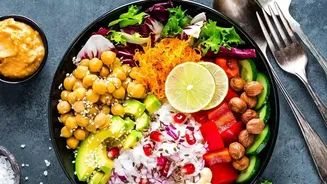
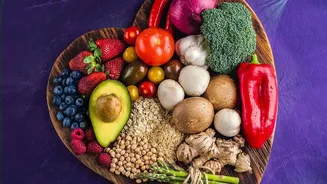
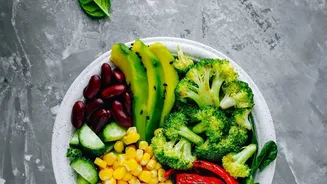
The solution isn't to abandon vegetables but to build a better plate around them. The advice to fill half your plate with non-starchy vegetables is still excellent. But the other half is just as important. Ensure you have a solid source of protein, such as chicken, fish, tofu, beans, or lentils. Then, add a source of healthy fat, like avocado, a sprinkle of nuts or seeds, or a drizzle of olive oil. Finally, a portion of complex carbohydrates, like quinoa or sweet potato, can provide sustained energy and additional fibre. This combination approach addresses all the biological and psychological triggers for satiety, ensuring your healthy meal actually keeps you feeling full, energised, and satisfied for hours to come.